Yazılar

Chinese State-Linked Accounts Promoted DeepSeek AI Before U.S. Tech Stock Decline, Report Says

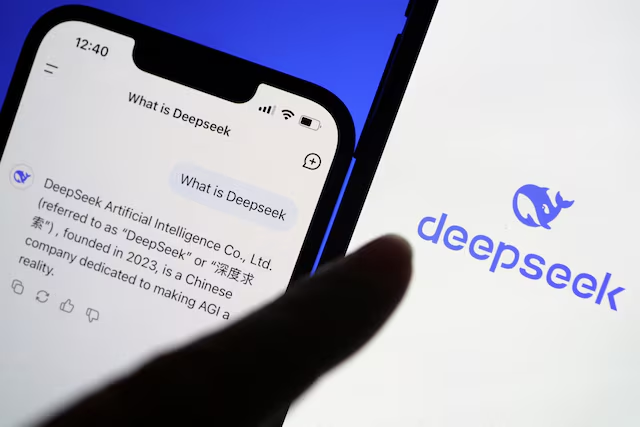
A new report by online analysis firm Graphika reveals that Chinese state-affiliated social media accounts actively promoted the launch of DeepSeek AI ahead of a sharp decline in U.S. technology stocks. These accounts, including those of Chinese diplomats, embassies, and state media, amplified narratives celebrating DeepSeek’s advancements, portraying them as a challenge to U.S. dominance in artificial intelligence.

The promotional efforts appeared on platforms such as X (formerly Twitter), Facebook, Instagram, as well as Chinese services like Weibo and Toutiao. According to Graphika, this coordinated activity is part of China’s broader strategy to shape online narratives and highlight Beijing’s progress in key technological fields.

Graphika also linked DeepSeek-related content to previously identified Chinese influence campaigns, including the Shadow Play operation, which has spread pro-China and anti-Western messaging across YouTube and other platforms. The report found a small spike in discussions about DeepSeek’s AI model on X immediately after its January 20 launch, followed by a significant surge over the weekend.

By Monday, DeepSeek’s AI assistant had surpassed OpenAI’s ChatGPT in Apple App Store downloads, coinciding with a sell-off in U.S. tech stocks that erased $593 billion from Nvidia’s market value in a single day—the largest loss in Wall Street history.

The U.S. government has raised concerns over DeepSeek’s access to restricted AI chips. The Commerce Department is currently investigating whether the company has used unauthorized U.S. technology, amid allegations—so far unproven—that it improperly accessed advancements from OpenAI and other industry leaders.
DeepSeek’s Global Success Sparkles with National Pride in China

Chinese bloggers, state media, and citizens are celebrating the rapid success of DeepSeek, the homegrown AI startup, viewing its rise as a symbol of China’s resilience against Western efforts to constrain its tech industry. Last week, DeepSeek launched a free AI assistant that claims to use less data at a fraction of the cost of competing services. By Monday, it had surpassed U.S. rival ChatGPT in downloads on Apple’s App Store, prompting a significant selloff in tech shares globally.

DeepSeek’s ability to rival the capabilities of OpenAI while offering a more affordable alternative has raised concerns about the sustainability of profit margins and business models of U.S. AI giants such as Nvidia and Microsoft. In China, the startup’s success has been seen as a victory against U.S. efforts to block access to advanced semiconductors, which are critical for AI development.

“This symbolizes that U.S. containment, persecution, and sanctions in advanced technology against China have completely failed,” wrote military commentator Chen Xi on his WeChat account. This sentiment aligns with statements from former U.S. President Donald Trump, who suggested that DeepSeek’s achievements should spur American firms to innovate and that it was beneficial for Chinese companies to introduce cheaper, faster AI technology.

In Zhejiang, where DeepSeek is based, the provincial government’s media office published a widely shared essay celebrating the company’s success. The article, read more than 100,000 times, declared, “The moon overseas is not actually more round. Whatever others can do, we can also do—and even do it better.” The essay pushed back against both overly optimistic and overly pessimistic views of China’s technological progress.

This wave of pride surrounding DeepSeek mirrors the response to Huawei’s surprise launch of the Mate 60 Pro smartphone in 2023, which came despite U.S. sanctions. At that time, the state-backed Global Times praised Huawei’s ability to produce high-end smartphones, arguing that the U.S. crackdown had failed.

The reaction from the Chinese public has been equally supportive. Chen Jianuo, a 38-year-old Beijing resident, expressed pride over DeepSeek’s international success, reflecting on the positive global attention the company has garnered. “China has made great progress in AI development, and I hope our technological growth continues,” she shared.

Leo Li, a 24-year-old student, also voiced his pride, saying, “It’s exciting that a Chinese company is on par with Meta and OpenAI. As a Chinese citizen, it feels great to see our AI research becoming a global sensation.”


Alibaba Unveils Qwen 2.5 AI Model, Claims Superiority Over DeepSeek

Chinese tech giant Alibaba (9988.HK) has launched Qwen 2.5-Max, its latest AI model, which it claims surpasses DeepSeek-V3, GPT-4o, and Llama-3.1-405B in performance.

Key Highlights:

  • Unexpected Timing:
    • Released on Lunar New Year’s first day, signaling urgency amid DeepSeek’s rapid rise.
  • DeepSeek’s Disruptive Impact:
    • DeepSeek-V3 & R1 models have shaken Silicon Valley and Chinese AI firms.
    • The low-cost model pricing has forced AI leaders to reassess spending strategies.
  • Domestic AI Rivalry Intensifies:
    • ByteDance quickly upgraded its AI model to challenge OpenAI.
    • Alibaba, Baidu, and Tencent are aggressively cutting prices to remain competitive.
  • DeepSeek’s Unique Approach:
    • Founder Liang Wenfeng prioritizes AGI (Artificial General Intelligence) over price wars.
    • The startup operates lean and research-focused, unlike hierarchical tech giants.

Alibaba’s latest move underscores the fierce AI competition in China as companies race toward dominance in next-gen AI models.