Yazılar

OpenAI to Halve Revenue Share with Microsoft Amid Restructuring, Report Says

OpenAI plans to significantly reduce the share of its revenue allocated to Microsoft by the end of the decade, as part of its ongoing corporate restructuring, according to a report by The Information on Tuesday. The AI firm reportedly informed investors that its revenue-sharing deal with Microsoft—currently 20% through 2030could fall to 10% or less over the next several years.

The shift comes amid broader changes at OpenAI, which recently abandoned plans for a full conversion into a public benefit corporation (PBC) and reaffirmed nonprofit control, limiting CEO Sam Altman’s power while trying to balance mission-driven governance with commercial scalability.

The financial update shared with investors suggests a future where OpenAI is less dependent on Microsoft while still maintaining a collaborative relationship. In response to the report, OpenAI noted it is finalizing the details of this recapitalization”, and said it continues to work closely with Microsoft. However, Microsoft declined to comment.

In January, Microsoft adjusted key terms of its deal with OpenAI, following its joint venture with Oracle and SoftBank to invest up to $500 billion in U.S.-based AI data centersa move that signaled deeper integration of AI infrastructure beyond OpenAI’s models alone.

The current OpenAI–Microsoft partnership includes reciprocal revenue sharing agreements, access to OpenAI’s models on Microsoft’s Azure platform, and embedded use of ChatGPT within Microsoft’s enterprise software like Office and Azure AI services.

Microsoft, which has invested over $13 billion in OpenAI, is believed to be negotiating for continued access to OpenAI’s technology post-2030, as competition intensifies in the global AI race.

Constellation Shifts Focus to Grid-Connected AI Data Center Projects Amid Regulatory Scrutiny

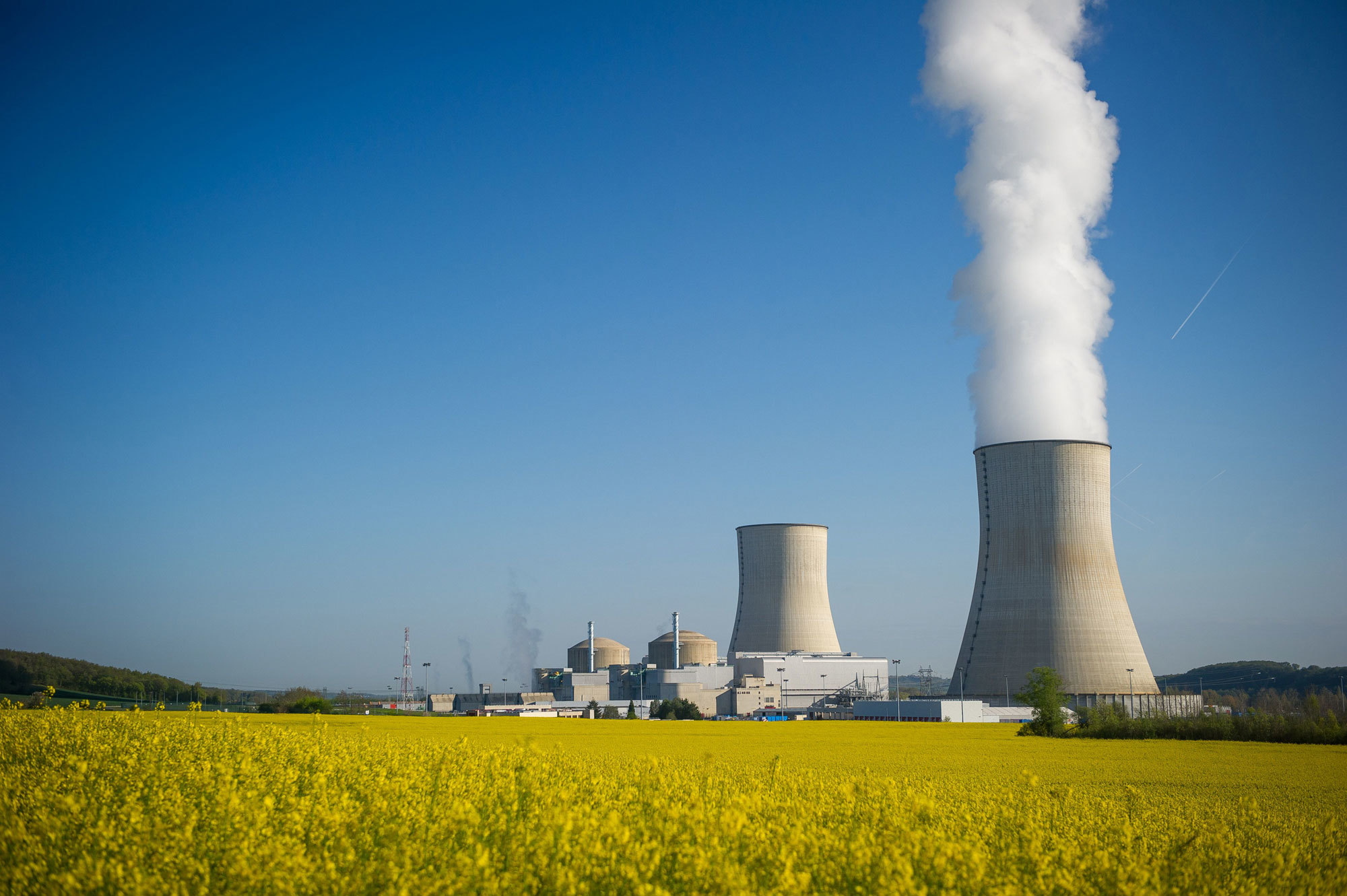
Constellation Energy is shifting its strategy for supplying power to AI-driven data centers, now prioritizing grid-connected projects over previously favored direct (co-located) connections to its nuclear power plants, the company said Tuesday.

This pivot comes in response to growing regulatory pressure and industry concerns about the potential grid reliability issues and rising consumer energy costs linked to large-scale co-located data center developments.

On-grid sales are increasingly attractive to us and to our customers,” said Constellation CEO Joseph Dominguez during a call with investors. However, he added that behind-the-meter configurations”where data centers are directly connected to power plants—may still be viable in certain cases.

Constellation, the largest operator of nuclear plants in the U.S., had previously proposed co-located data center developments at several of its reactor sites. But the approach came under scrutiny from the Federal Energy Regulatory Commission (FERC), particularly after a proposed expansion of an Amazon data center at a Talen Energy nuclear facility faced regulatory rejection.

FERC is currently evaluating new rules regarding such off-grid, single-customer arrangements to better manage power flow and protect ratepayer interests.

As the demand for electricity to power AI infrastructure skyrockets, utility firms like Constellation are adapting to meet needs while staying aligned with evolving regulatory frameworks and grid integrity standards.

U.S. Grid Faces Strain Amid Surge in AI Data Center Growth

The rapid expansion of AI data centers is raising concerns about the resilience of the U.S. electrical grid, with experts warning that the surge in energy demand could overwhelm the nation’s aging infrastructure. The rapid build-out of massive data centers, which can consume as much power as a mid-sized U.S. city at a single site, is driving electricity consumption to record highs. Government projections estimate that data center demand will triple in the next three years, accounting for 12% of the entire U.S. power supply.

“We are witnessing unprecedented growth, and the challenges the grid is facing are becoming more pronounced,” said Samir Vora, a senior executive at Mitsubishi Power Americas, during an interview at the CERAWeek conference in Houston.

As the demand for electricity rises, traditional fossil fuel-powered generators are being retired, and new generation and power lines are often delayed in interconnection queues, exacerbating the delicate balance required to avoid blackouts.

Mark Christie, who leads the Federal Energy Regulatory Commission (FERC), highlighted the issue at the conference, stressing that the situation has become particularly critical in the PJM Interconnection grid, which serves 13 states and the District of Columbia. This area, home to the world’s largest concentration of data centers, is also crucial for internet traffic, with Virginia alone routing 70% of global internet traffic.

In its latest capacity auction, PJM reported that prices had surged by more than 800% compared to the previous year, citing rising demand and shrinking supply. Manu Asthana, CEO of PJM, expressed cautious optimism, acknowledging that the problem is solvable, though not trivial.

PJM’s peak demand is expected to rise from 152 gigawatts to 184 gigawatts by 2030, with nearly all of the growth driven by data centers. Without substantial investments in new power supply, experts warn that these supply-demand imbalances could spread to other regions across the country, making the situation even more dire.

“It’s going to become more pronounced in other multi-state regions as well,” warned FERC’s Mark Christie, signaling growing concerns about the stability of the grid.