Yazılar

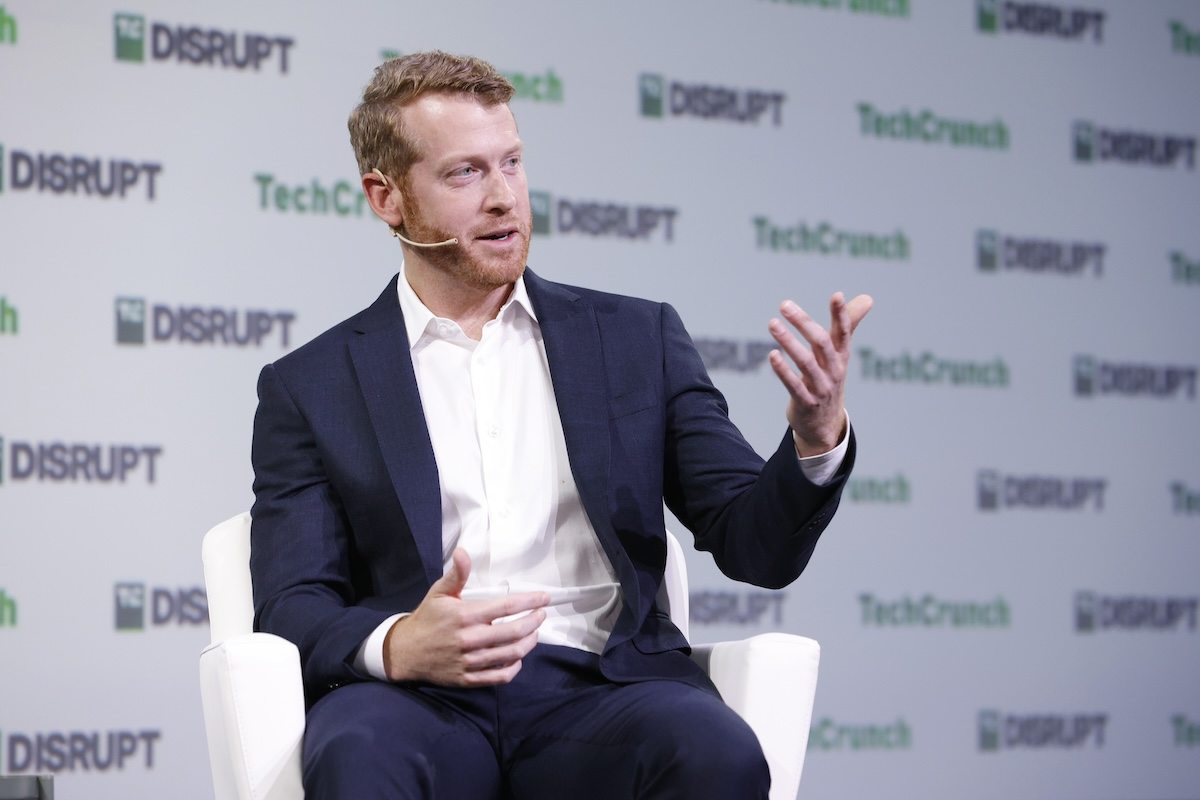
Former Cruise CEO Kyle Vogt’s Robotics Startup, The Bot Company, Valued at $2 Billion in New Funding

Kyle Vogt, the former CEO of self-driving car company Cruise, has secured $150 million in a new funding round led by Greenoaks for his robotics startup, The Bot Company. This investment boosts the company’s valuation to $2 billion, a significant jump from its previous valuation of $550 million following an earlier $150 million funding round. Despite the company not yet releasing a product or generating revenue, the funding reflects strong investor confidence in its potential.

The Bot Company, which was co-founded by Vogt, Paril Jain, and Luke Holoubek—former engineers at Tesla and GM-owned Cruise—aims to build AI-powered robots for everyday household tasks. These robots are designed to be non-humanoid and feature a base and grips for performing chores. The company is still in the development phase, working on integrating hardware and artificial intelligence-based software that will enable the robots to adapt and learn new tasks.

The company’s rapid rise in valuation comes amid a boom in robotics, driven by advances in large language models (LLMs). These AI models enable robots to understand natural language commands and perform more complex tasks, fueling significant interest in robots that could assist in homes or on factory floors. The Bot Company’s focus on creating at-home robots positions it within the growing trend of robotics startups, which are attracting substantial funding for innovative, AI-powered solutions.

The boom in robotics is also reflected by other industry players. Companies like Tesla, startups such as Figure, and Cobot, a robotics firm focused on industrial automation, are drawing attention with large funding rounds. Major players like Amazon have also invested heavily in home robotics, with the launch and eventual discontinuation of its Astro robot.

Vogt and his co-founders are part of a wave of talent transitioning from the self-driving car industry to robotics, aiming to create more adaptable and intelligent robots that can perform a range of tasks in daily life. The investment in The Bot Company, alongside the increasing venture capital influx into robotics, indicates growing confidence in AI-driven, action-based robotics solutions.

Google Introduces New AI Models for Rapidly Growing Robotics Industry

Google, the parent company of Alphabet, unveiled two new AI models on Wednesday, designed specifically for the rapidly advancing robotics industry. These models, based on Google’s Gemini 2.0 framework, aim to accelerate the development of robots across various sectors, especially in industrial settings.

The robotics field has experienced significant progress in recent years, with AI-driven advancements enabling faster commercialization of robots for tasks in factories and warehouses. Google’s new models are tailored to meet the growing demand for smarter robots capable of performing complex tasks.

The first model, Gemini Robotics, integrates vision, language, and physical action, enabling robots to interact with their environment through physical output. The second model, Gemini Robotics-ER, provides robots with a deeper spatial understanding, allowing them to reason and run programs with greater autonomy, expanding their capabilities.

These models cater to all types of robots, including humanoids and industrial robots, which are increasingly being adopted in warehouses and factories. Google emphasized that its AI models are designed to help startups reduce costs and speed up product development, which is crucial in a market where robotics innovation is moving quickly.

Google’s AI models have been tested on its ALOHA 2 bi-arm robotics platform but are versatile enough to be customized for other robots, such as Apptronik’s Apollo humanoid robot. Apptronik recently raised $350 million to scale production of its AI-powered robots, with Google participating in the funding round alongside other investors.

Though Google once owned the robotics firm Boston Dynamics, known for its advanced robot designs, it sold the company to SoftBank Group in 2017. However, the launch of these new AI models shows Google’s continued interest and involvement in the robotics space.

Microsoft to Invest $300 Million in South Africa’s AI Infrastructure Expansion

Microsoft has announced plans to invest an additional 5.4 billion rand ($296.81 million) in South Africa by 2027 to expand its cloud and artificial intelligence (AI) infrastructure, catering to the increasing demand for Azure services in the region.

At a Johannesburg event on Thursday, Microsoft Vice Chair and President Brad Smith revealed the company’s strategy to support digital skills development. Microsoft will cover the cost of technical certification exams for 50,000 individuals in areas of high demand, including cloud architecture, AI, and cybersecurity.

This new investment builds on Microsoft’s previous expenditure of 20.4 billion rand, which was used to establish South Africa’s first enterprise-grade data centres in Johannesburg and Cape Town. These facilities have positioned the country as a critical hub for data centres to meet the growing computational needs of AI as businesses look to integrate the technology into their services.

Looking ahead, Microsoft plans to spend approximately $80 billion globally in fiscal 2025 to advance data centre infrastructure, with a focus on training AI models and deploying AI-powered applications and cloud services.