Yazılar

AI Craze Distorting VC Market as Tech Giants Invest Billions

The venture capital market is grappling with distortion as tech giants like Microsoft, Amazon, Alphabet, and Nvidia pour billions into artificial intelligence (AI) startups, reshaping traditional investment dynamics. Unlike previous tech booms, where VCs were central players, the current AI frenzy is driven by these major tech companies investing heavily in capital-intensive firms such as OpenAI, Anthropic, Scale AI, and CoreWeave.

This shift in funding dynamics means that the usual pressures for startups to go public are less pronounced. Many of these AI firms are not yet profitable, which typically deters public market investors. Instead, tech giants are providing significant incentives, including cloud credits and business partnerships, further skewing the market.

Melissa Incera of S&P Global Market Intelligence notes that AI startups are attracting substantial investment interest despite having more funds than they can use. Venture capital exits are scarce, with U.S. VC exit values on track for $98 billion this year—an 86% drop from 2021. The number of venture-backed IPOs is expected to hit its lowest since 2016, underscoring the challenging exit environment for VCs.

In 2024, investors have already injected $26.8 billion into 498 generative AI deals, following a trend from 2023 when generative AI companies raised $25.9 billion, marking a more than 200% increase from 2022. This surge reflects a dramatic shift, with AI accounting for 27% of total fundraising this year, up from 12% in 2023. AI funding rounds have also grown 140% larger on average compared to the previous year.

Despite this influx of capital, venture capitalists are facing difficulties due to the current market conditions. The Federal Reserve’s interest rate hikes have pushed investors toward safer, yield-generating assets, making it hard for VCs to attract new funds without delivering returns. Traditional VCs are mostly investing in application-level AI startups rather than the high-capital infrastructure firms.

Notable AI companies like Cerebras, a semiconductor firm, are approaching an IPO, but most high-profile AI startups remain private. These companies, such as Anthropic and Cohere, have secured significant funding at inflated valuations, leaving VCs struggling to promise exits under current conditions.

The secondary market offers some liquidity through share sales, but IPOs remain the primary route for VCs to realize returns. As AI firms continue to grow privately, there is less incentive for them to go public, given the favorable terms they receive from large tech investors.

While the enterprise potential of generative AI remains high, with expectations of eventual significant returns, the current market conditions make it challenging for VCs to secure exits and attract new investments.

DevRev Joins the AI Unicorn Club with $100.8 Million Series A Funding

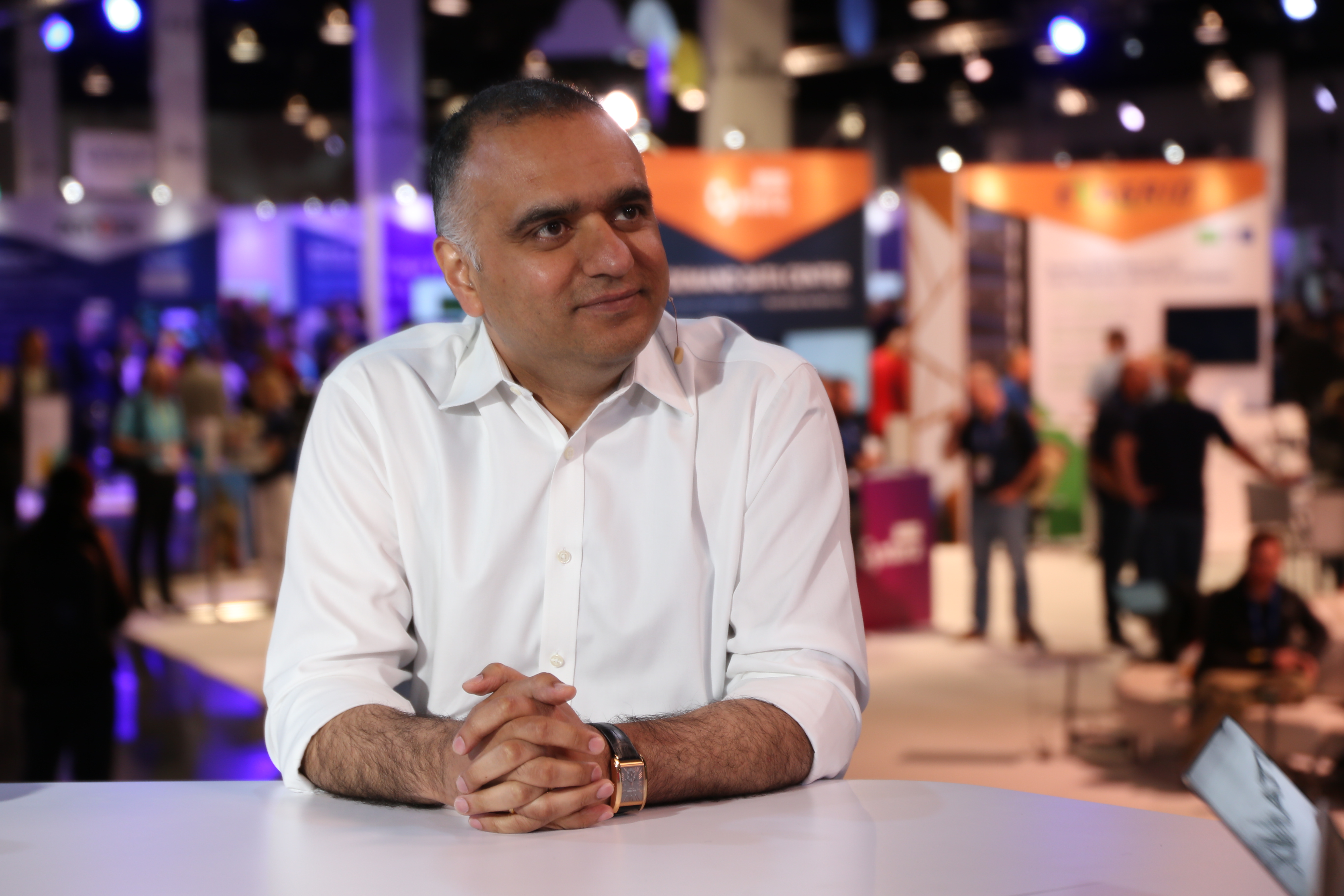
DevRev, a customer relationship software firm based in Palo Alto, has successfully raised $100.8 million in its Series A funding round, led by Khosla Ventures and other investors. This significant investment has propelled the company’s valuation to $1.15 billion, marking its entry into the prestigious unicorn club amid a booming interest in artificial intelligence (AI).

Why It Matters

The surge in AI-driven innovation has reignited venture capital interest, with investments in AI startups reaching a staggering $24 billion between April and June 2024—more than doubling the previous quarter’s figures. This influx of capital reflects investor confidence in the transformative potential of AI across various industries. DevRev’s success highlights the growing demand for AI-powered solutions that streamline customer relationship management by integrating end users, sellers, support teams, product developers, and engineers on a unified platform.

Company Background

Founded in October 2020 by Dheeraj Pandey, former CEO of Nutanix, DevRev focuses on creating an AI-driven platform that enhances the customer experience by bridging the gap between product teams and end users. The company leverages AI to facilitate smoother interactions and improve product development cycles, ultimately helping businesses build more robust relationships with their customers.

Investor Confidence

Khosla Ventures, a key backer of DevRev since 2021, is known for its investments in high-profile tech companies like Instacart, DoorDash, and Stripe. Their continued support underscores the confidence in DevRev’s innovative approach to customer relationship management and its potential for long-term growth in the AI sector.

CEO’s Vision

Dheeraj Pandey emphasized the importance of design in building trust with end users, especially as the AI landscape is rife with overhyped solutions and unstable prototypes. He noted that DevRev’s focus on secure, maintainable AI-driven software is crucial in delivering reliable and effective solutions to its clients.


Ex-Google Engineers Who Founded Character.AI Rejoin Company with New AI Partnership

Noam Shazeer and Daniel De Freitas, who co-founded the AI startup Character.AI, are rejoining Google as part of a new collaboration with Google’s AI unit DeepMind. Character.AI, a prominent player in the AI field, uses large language models to enable users to create and interact with chatbots. Despite reaching a $1 billion valuation in its early days, the startup did not generate revenue initially but has considered offering subscription services in the future.

Shazeer and De Freitas left Google in 2021 after their attempts to advance Google’s chatbot technology were reportedly rejected. They founded Character.AI the same year. The startup has now agreed to provide Google with a nonexclusive license for its large language model technology. This partnership will allow Character.AI to secure additional funding and focus on developing personalized AI products.

The move highlights Google’s effort to strengthen its position in the competitive AI landscape, particularly as it faces increased scrutiny over its AI initiatives. The partnership is also part of a broader trend of major tech companies forming alliances and acquiring talent to enhance their AI capabilities amidst regulatory challenges. For example, Microsoft recently hired Mustafa Suleyman, co-founder of AI startup DeepMind, and U.K. regulators have scrutinized Microsoft’s acquisition of DeepMind staff.