Yazılar

Synopsys and SiMa.ai Partner to Accelerate AI Chip Development for Automakers

Synopsys, a leading provider of chip-design software, and SiMa.ai, a startup specializing in energy-efficient AI hardware and software for cars, have announced a strategic partnership aimed at advancing the development of artificial intelligence (AI) chips for the automotive industry.

Focus on Energy-Efficient AI for Automobiles

The collaboration is designed to support automakers and suppliers in developing AI-powered chips that can handle diverse functions within cars, particularly in electric vehicles (EVs). As EVs face competition for battery power between chips and drive systems, energy-efficient AI solutions are crucial. SiMa.ai has developed hardware and software that can handle a variety of AI tasks, such as computer vision for driver-assistance systems and voice assistants that listen for driver commands.

Partnership Benefits

The partnership will provide Synopsys users access to SiMa.ai’s intellectual property, enabling automakers to use advanced tools to simulate how chips and software will work together. This will help car manufacturers and suppliers identify the best chip-and-software combinations for their specific needs, improving performance and energy efficiency.

Industry Implications

SiMa.ai aims to integrate advanced AI technologies, such as voice assistants, into vehicles within the next three years. However, these AI technologies typically rely on power-hungry chips used in data centers, requiring adaptation to meet the energy demands of automobiles. SiMa.ai’s solutions are designed to be highly energy-efficient, fitting within the power and performance constraints of automotive applications.

Krishna Rangasayee, CEO of SiMa.ai, emphasized that the company’s technology is specifically built to meet the energy and performance needs of the automotive sector. The companies did not disclose the financial details of the agreement.

 

AI-Powered Laser Test Detects Breast Cancer at Earliest Stage

A groundbreaking test developed by researchers at the University of Edinburgh can detect breast cancer at its earliest stage, known as stage 1a, using laser screening and artificial intelligence (AI). The new test looks for subtle changes in the blood plasma that occur during the very early phases of cancer development—changes that current methods are unable to detect.

Published in the Journal of Biophotonics, the study reveals that the test offers high accuracy, particularly in identifying breast cancer in its nascent form. According to Dr. Andy Downes, who led the research, early diagnosis is crucial for improving survival rates. “Most deaths from cancer occur following a late-stage diagnosis after symptoms become apparent,” he said, emphasizing the importance of early detection for better long-term outcomes.

While current breast cancer detection methods include physical exams, X-rays, ultrasounds, and biopsies, these approaches primarily identify cancer at more advanced stages. The new test could change this by offering a fast, non-invasive way to spot cancer much earlier.


HOW THE TEST WORKS

The process begins by shining a laser beam into the blood plasma of the patient. This reveals tiny changes in the chemical makeup of cells and tissues that signal the presence of disease. The results are then interpreted using AI algorithms that analyze these subtle alterations.

In a pilot study involving 12 samples from breast cancer patients and 12 healthy controls, the AI-driven test achieved 98% accuracy in identifying stage 1a breast cancer. Additionally, the test was able to distinguish between the four main subtypes of breast cancer with an accuracy rate exceeding 90%, which could help tailor more effective, personalized treatment for patients.


POTENTIAL IMPACT AND FUTURE USES

This method, although initially focused on breast cancer, has the potential to be expanded into a multi-cancer screening test. Dr. Downes noted the next steps involve applying the technology to other cancer types and building a comprehensive database to refine its effectiveness.

The success of this test could represent a major leap forward in the fight against cancer, with the possibility of offering a routine screening tool that detects multiple types of cancer at their earliest and most treatable stages.

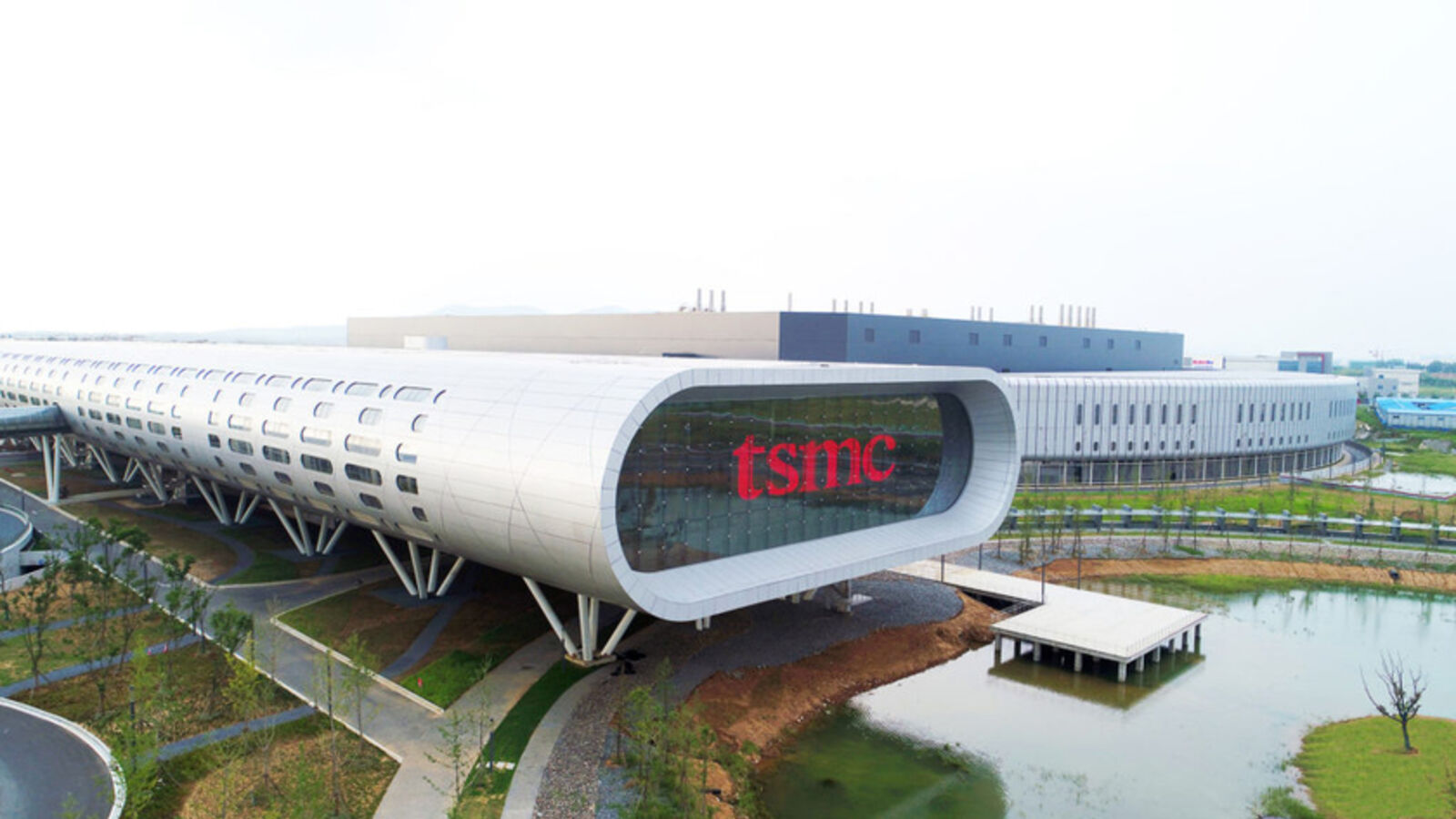
U.S. Orders TSMC to Halt AI Chip Shipments to China Amid Escalating Tech Export Controls

The U.S. government has directed Taiwan Semiconductor Manufacturing Co. (TSMC) to cease shipments of advanced chips used in artificial intelligence (AI) applications to Chinese customers as of Monday. According to a source familiar with the order, the U.S. Department of Commerce issued a notice to TSMC restricting the export of specific advanced chips, including 7-nanometer designs and below, often deployed in AI accelerators and GPUs, to Chinese entities.

This new export restriction follows recent revelations by TSMC regarding one of its chips found within a Huawei AI processor. Tech Insights, a technology research firm, had disassembled the Huawei processor and discovered TSMC’s involvement, potentially indicating an export control breach. Huawei, which is on the U.S. restricted trade list, is required to secure special licensing for any U.S.-derived technology imports. Such licenses are unlikely to be granted if they would benefit Huawei’s AI capabilities.

In response to the U.S. directive, TSMC has begun notifying Chinese clients affected by the suspension of AI and GPU chip shipments, including Sophgo, a China-based chip designer that used similar TSMC technology in a Huawei product. It remains unclear how the chip ended up in Huawei’s Ascend 910B AI processor, one of China’s most advanced AI chips.

The latest U.S. clampdown comes as lawmakers on both sides of the aisle have voiced concerns about the efficacy and enforcement of export controls on China. In recent years, the Commerce Department has issued similar restrictions to companies like Nvidia, AMD, and several chip equipment manufacturers to limit AI-related technology exports to China. Restrictions initially introduced via “is-informed” letters, like those now sent to TSMC, were later formalized into broader regulatory rules affecting additional companies.

This move reflects Washington’s continuing strategy to limit China’s access to advanced AI and chipmaking technologies. The Biden administration has drafted new export control rules targeting Chinese chipmaking and related companies and aimed to update the Commerce Department’s entity list, which would include over 120 Chinese companies. However, despite these plans, the proposed rules remain delayed, missing anticipated release dates earlier this year.