
Yazılar

Amazon Said to Be Developing Reasoning-Centered AI Model, Paving the Way for ‘Hybrid Intelligence’

Amazon is reportedly developing a reasoning-focused artificial intelligence (AI) model, which is expected to be part of the company’s Nova family of AI offerings. Unlike consumer-centric products, this new model will likely be targeted at enterprise users through platforms such as Amazon Bedrock and Azure AI Foundry. This positioning places the model in direct competition with other reasoning-focused AI models on the market, including OpenAI’s o3-mini, Google’s Gemini 2.0 Flash Thinking, and DeepSeek-R1. The reasoning capabilities of these models allow them to address complex, nuanced problems that require more than just basic AI processing.

According to a Business Insider report, Amazon is building this reasoning model in-house from the ground up. Sources familiar with the project claim that the company is focusing on incorporating “hybrid reasoning” into the model. Hybrid reasoning is a feature that combines fast, standard responses with slower, more thoughtful answers that require additional compute power to break down intricate problems. This kind of capability allows for more flexible and sophisticated problem-solving, making it highly desirable for enterprise applications where accuracy and depth of analysis are paramount.

This approach mirrors that of recent advancements in the AI industry, such as Anthropic’s release of the Claude 3.7 Sonnet model, which also incorporated hybrid reasoning. However, Amazon’s main challenge will be keeping the model cost-efficient while maintaining top-tier performance. With the market for reasoning-focused AI models rapidly becoming crowded, Amazon’s goal is to ensure that its model stands out by delivering both speed and depth without breaking the bank. The company is expected to unveil this new AI model in June, with the primary focus on making it accessible and affordable for enterprises.

In addition to cost-effectiveness, Amazon has expressed a desire for the model to rank among the top performers in third-party AI leaderboards. The company reportedly aims for its new reasoning model to be ranked in the top five on platforms like the Chatbot Arena, a crowdsourced leaderboard where users and developers rate AI models based on their real-world performance. This focus on high-ranking performance indicates Amazon’s ambition to position its reasoning AI model as a leader in the competitive AI landscape, ensuring its place as a reliable tool for enterprise-level problem-solving.
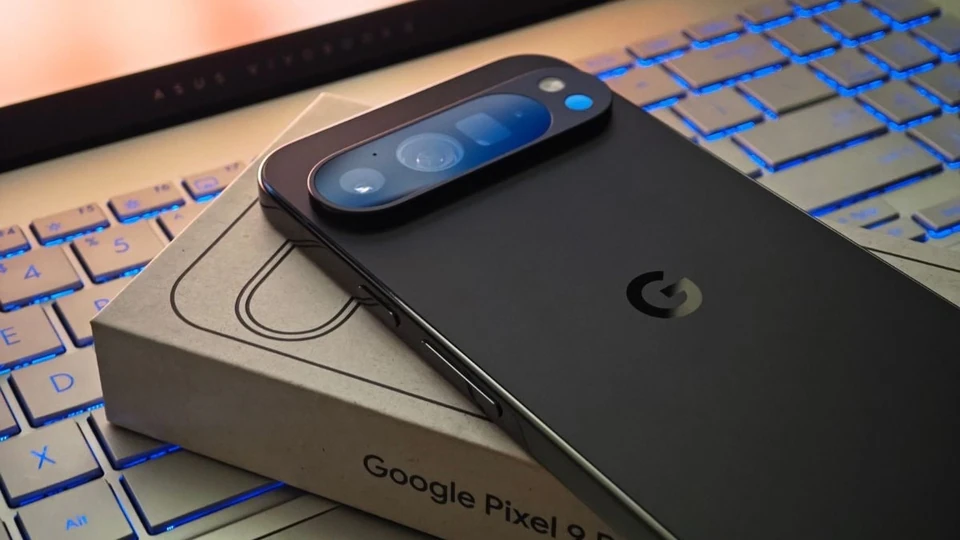
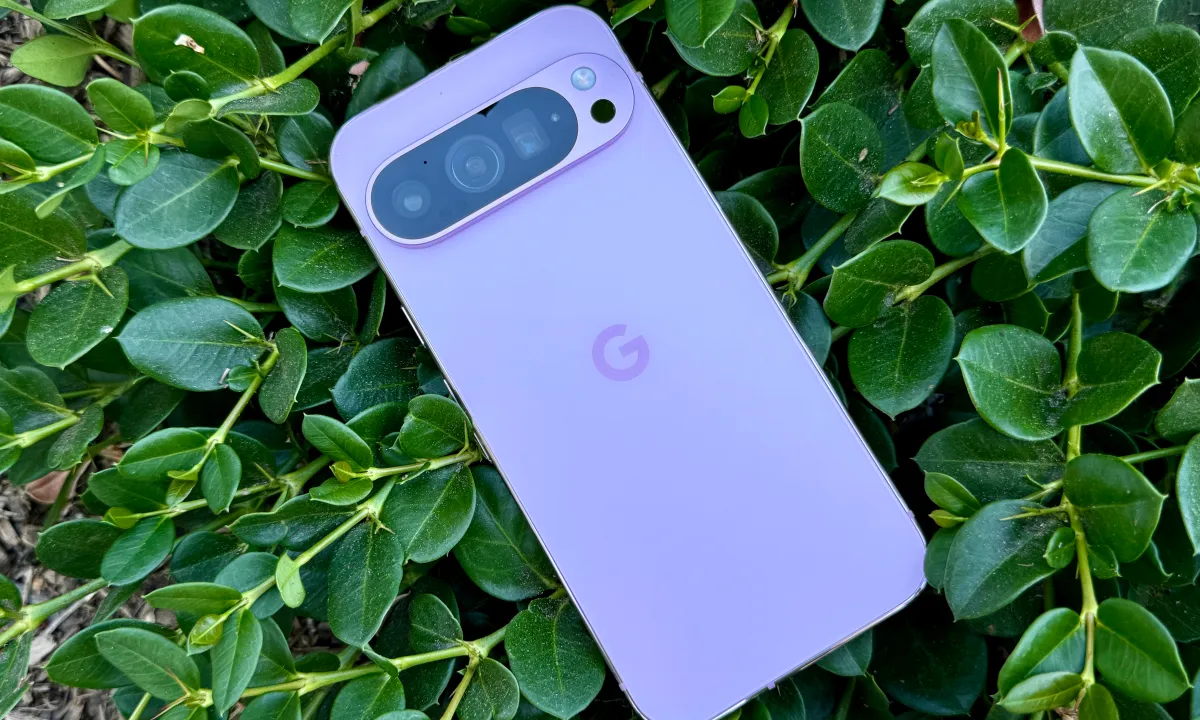
Google’s March Pixel Drop Introduces Gemini Live Enhancements, Scam Detection in Messages, and More Features

Google launched the highly anticipated March Pixel Drop on Tuesday, rolling out a host of new features for compatible Pixel devices. This marks the first Pixel Drop of 2025, bringing a range of exciting updates. One of the key highlights is the upgraded Gemini Live, a conversational AI tool now capable of understanding and interacting in over 45 languages. This expanded language support means users can converse with the AI seamlessly without the need to adjust settings. Gemini Live’s multimodal capabilities, which allow the addition of images, files, and YouTube videos to enrich conversations, will be available on Pixel 6 and newer models, as well as the Pixel Fold. In the coming weeks, Google plans to roll out live video and screen sharing features, taking conversations with Gemini Live to the next level.

Another exciting update comes to the Pixel Screenshots app, which now includes a new Suggestions feature. This tool offers recommendations for screenshots that users might want to add to their collection, making it easier to organize and recall important images. Additionally, the app will now support work profiles, enhancing its utility for business and productivity-focused users. Alongside this, Pixel Studio has received a major update, allowing users to create unique images of people simply by providing text-based descriptions. This new tool makes it easy to share personalized images with friends and family, expanding the creative possibilities within the Pixel ecosystem.

The March Pixel Drop also introduces a feature called Connected Cameras, which enables Pixel users to connect their phones to other cameras, such as GoPro devices or another Pixel phone. This feature allows users to stream on social media from different angles, offering a more dynamic and engaging experience for content creators. Whether for personal use or professional broadcasting, Connected Cameras provide a new way to capture and share moments from multiple perspectives.

In addition to these features, the Pixel Drop expands the availability of several services, including Pixel Screenshots, Pixel Studio, and Pixel AI weather reports, to new regions. Japan and Germany will now have access to the Weather app’s pollen tracker, while Japanese speakers can also enjoy AI-powered summaries in the Recorder app. With the March Pixel Drop, Google continues to enhance the Pixel experience with a variety of new tools designed to improve productivity, creativity, and user interaction.

Google Pixel 10 Series to Feature New ‘Pixel Sense’ Contextual Assistant

The upcoming Google Pixel 10 series is set to introduce an innovative new feature—Pixel Sense, a contextual AI assistant designed to provide a more personalized and intuitive user experience. Unlike its predecessors, Pixel Sense will leverage on-device processing, meaning that it will rely less on cloud-based data and more on data already stored on the device. This shift is expected to allow for faster, more secure responses while maintaining user privacy. With the ability to work seamlessly with various Google apps, Pixel Sense aims to offer more relevant and timely information to users.

Pixel Sense is expected to integrate deeply with multiple Google applications, including Google Calendar, Gmail, Chrome, Google Maps, YouTube, and many others. This integration will allow the assistant to offer context-aware suggestions, reminders, and alerts based on the user’s activity across these apps. For example, if a user has an upcoming meeting in Google Calendar, Pixel Sense might prompt them with travel times via Google Maps, or suggest relevant documents from Google Drive. The assistant’s ability to connect with a wide range of apps makes it stand out as a more robust, all-encompassing tool than previous AI assistants.

The new virtual assistant is anticipated to work on Google’s new Tensor G5 chip, which is expected to be integrated into the Pixel 10 series. This chip will be produced by TSMC and promises improved performance and efficiency. With Tensor G5 powering Pixel Sense, users can expect faster processing, better battery efficiency, and improved AI capabilities. The combination of powerful hardware and the new Pixel Sense assistant could make the Pixel 10 series a game-changer in the smartphone market.

At this point, it’s unclear if Pixel Sense will be exclusive to the Pixel 10 series or if it will eventually be available to older Pixel models. However, the integration with Google’s vast ecosystem of apps suggests that the assistant could evolve into a major feature across various devices, making it a cornerstone of Google’s approach to AI and user experience in the coming years. With the Pixel 10 series set to debut later this year, many are eagerly awaiting how Pixel Sense will enhance the overall smartphone experience.