Yazılar

Apple’s AI-Enhanced Siri May Not Reach Full Functionality Until 2027

Apple’s AI-Enhanced Siri May Not Reach Full Potential Until iOS 20 in 2027

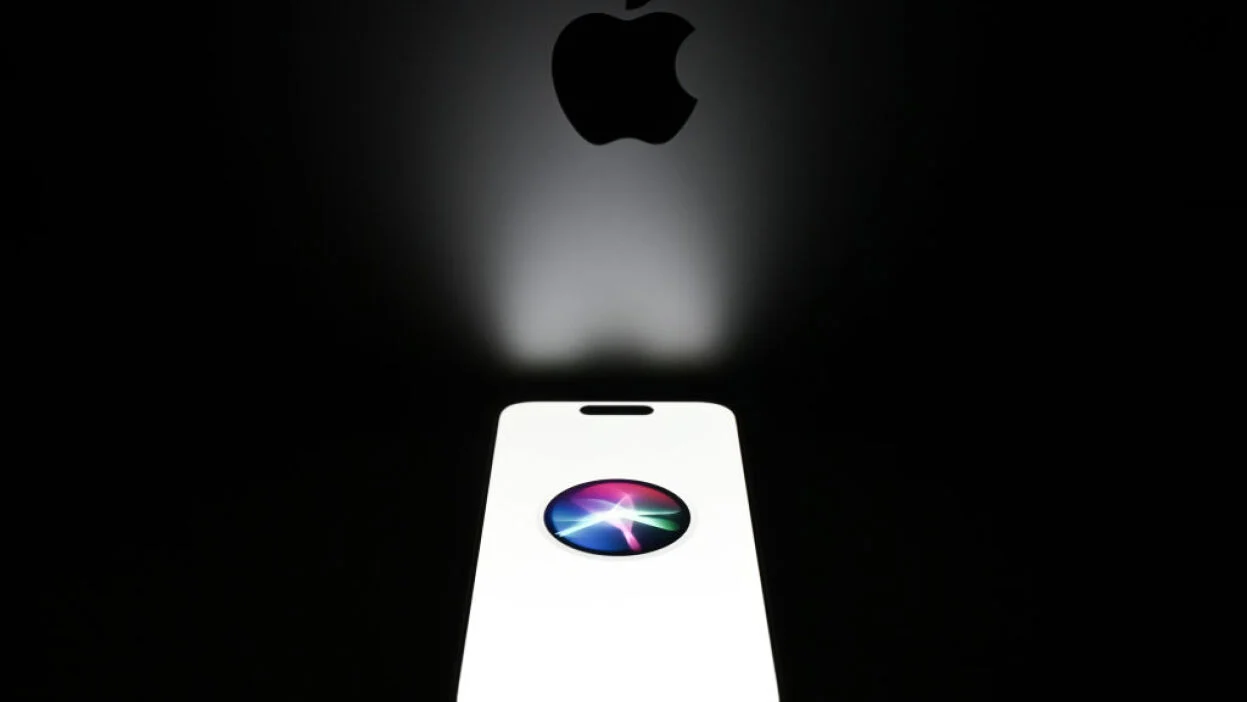
Apple is reportedly facing challenges in bringing Siri’s AI capabilities up to the level showcased at its Worldwide Developer Conference (WWDC) 2024. According to reports, the company is working to release an initial set of AI-powered Siri features by May, but this version is unlikely to match the expectations set by Apple’s demonstration. The full realization of Siri’s advanced AI system may not arrive until 2027, coinciding with the release of iOS 20.

In a recent Power-On newsletter, Bloomberg’s Mark Gurman highlighted that Apple’s current AI offerings under its Apple Intelligence initiative have failed to make a strong impact. Internal company data reportedly suggests that real-world usage of these features remains “extremely low.” This is largely attributed to the limited scope of Apple’s existing AI tools, which lack the depth and functionality of a fully AI-integrated Siri. Users are said to be waiting for more transformative AI-driven capabilities rather than minor enhancements.

Apple is expected to roll out the first wave of AI-enhanced Siri features in May, but this early iteration will reportedly function as a hybrid system. It will incorporate both the existing Siri framework and a new AI-powered backend capable of handling more advanced queries. This transition phase suggests that Apple is taking a cautious approach, gradually integrating AI advancements while maintaining the familiarity of its legacy voice assistant.

One of the key improvements in the upcoming AI-powered Siri is its deeper integration with user data and third-party apps, allowing it to execute more complex tasks beyond simple voice commands. However, given the reported delays and development hurdles, it may take several more years before Siri fully evolves into the AI assistant Apple envisions. With iOS 20 expected to bring the most significant AI-driven enhancements, Apple is seemingly playing the long game in refining Siri’s intelligence to compete with more advanced AI assistants.
Lenovo Unveils “Codename Flip” AI PC Concept with Foldable Display at MWC 2025

Lenovo Unveils ThinkBook “Codename Flip” AI PC Concept with Foldable Display at MWC 2025

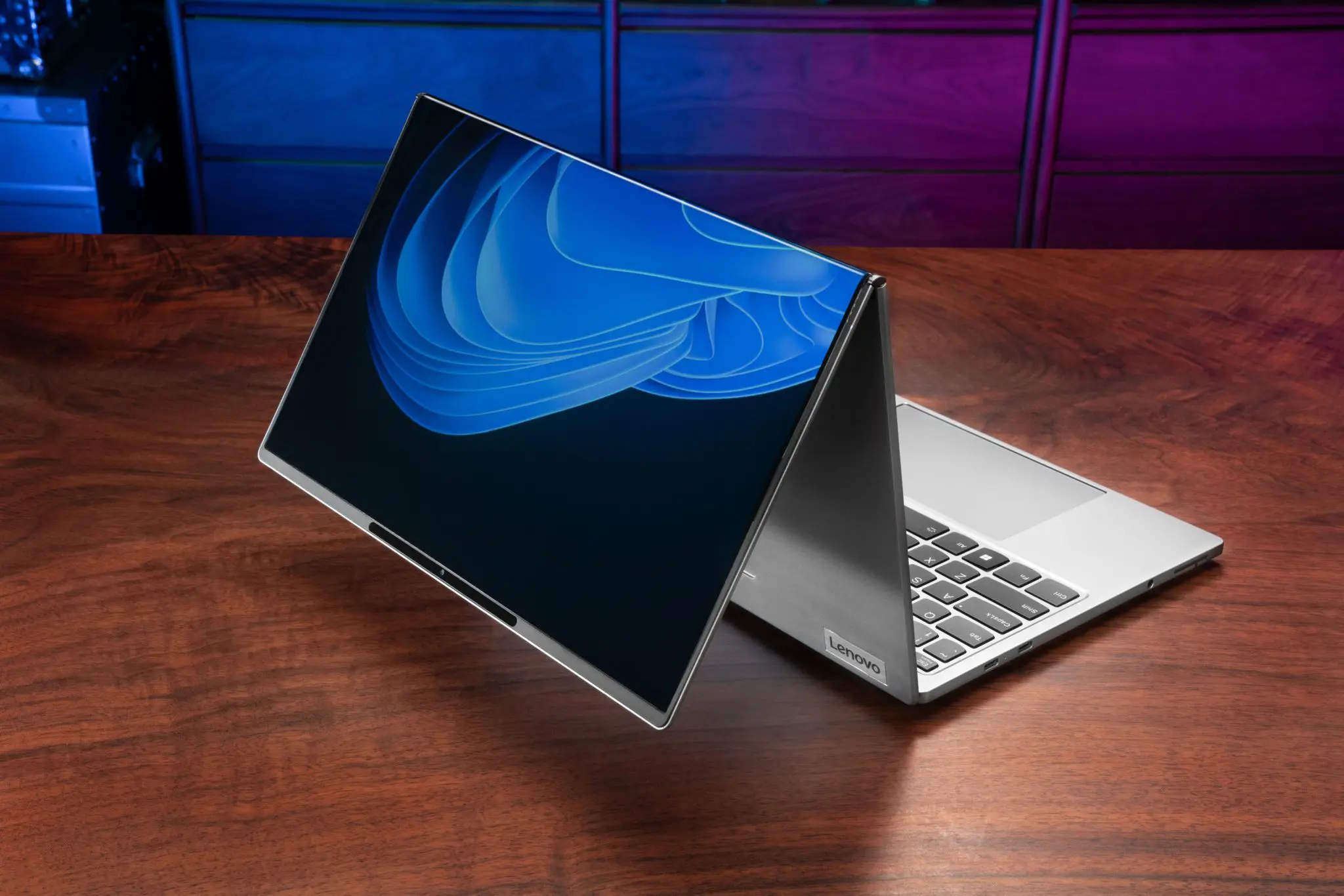
Lenovo showcased its latest lineup of artificial intelligence (AI)-powered devices at Mobile World Congress (MWC) 2025 in Barcelona, with the ThinkBook “Codename Flip” AI PC concept standing out as a major highlight. This futuristic device features an outward-folding OLED display, allowing users to switch between five different modes, including Clamshell Mode for traditional laptop tasks. Designed for maximum versatility, the ThinkBook “Codename Flip” also integrates AI-enhanced multitasking and Workspace Split Screen functionality, aiming to redefine hybrid work experiences.

In an official newsroom post, Lenovo detailed the vision behind this concept device, positioning it as a glimpse into the future of AI-powered computing. The ThinkBook “Codename Flip” features an 18.1-inch outward-folding OLED display that can dynamically transition from a compact 13-inch laptop form factor to a larger vertical workspace. Users can seamlessly switch between multiple modes, including Vertical Mode for reviewing documents, Share Mode for dual-screen collaborations, Tablet Mode for creative tasks, and Read Mode for distraction-free reading.

Under the hood, the ThinkBook “Codename Flip” is powered by an Intel Core Ultra 7 processor, paired with 32GB of LPDDR5X RAM. While Lenovo has yet to disclose full hardware specifications, the concept device is designed to leverage AI-driven optimizations for enhanced productivity. One of its standout features, the Workspace Split Screen functionality, aims to eliminate the need for external monitors by allowing users to efficiently run multiple applications side by side.

With the ThinkBook “Codename Flip,” Lenovo is exploring the next evolution of AI-integrated computing, blending hardware innovation with adaptive AI-powered workflows. While still a concept, the device signals Lenovo’s ambition to push the boundaries of productivity and hybrid work solutions. Whether this technology makes it into commercial production remains to be seen, but it underscores the growing trend of AI-driven and foldable PC designs shaping the future of personal computing.

Honor Introduces Alpha Plan: A Three-Step Roadmap to an AI-Driven Future

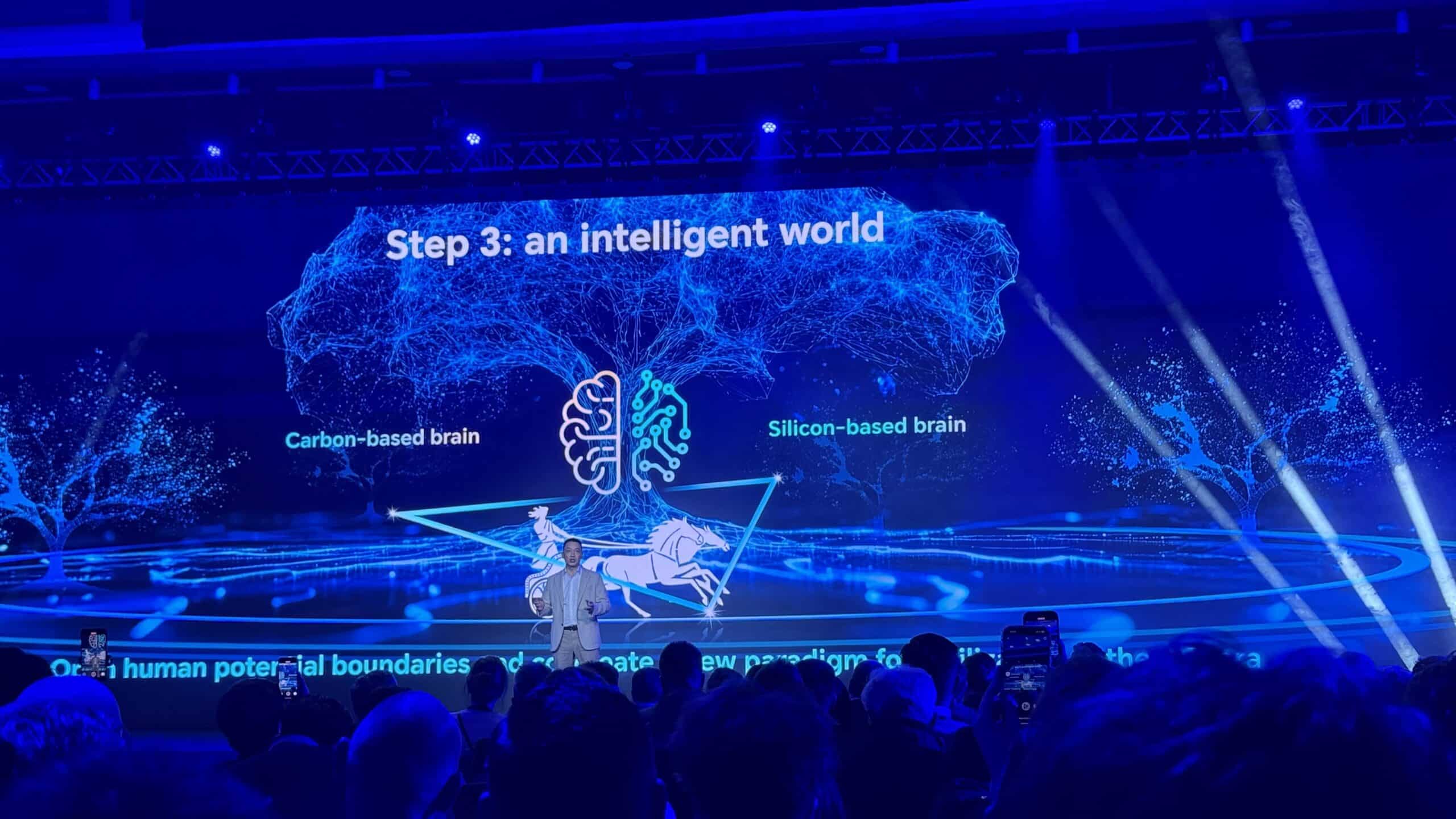
Honor officially introduced its highly anticipated Alpha Plan on Sunday, outlining a three-step vision aimed at fostering an open artificial intelligence (AI) ecosystem. Ahead of Mobile World Congress (MWC) 2025 in Barcelona, the Chinese tech brand unveiled a series of AI-driven innovations, including AI-powered imaging technology for mobile devices, AI agents, and a next-generation AI PC. Additionally, the company emphasized its long-term commitment to expanding AI applications beyond conventional devices, touching on advancements in physical AI (robotics) and artificial general intelligence (AGI).

As part of its AI strategy, Honor detailed the Alpha Plan in a newsroom post, positioning it as a roadmap to becoming a key player in the AI-powered device ecosystem. The company aims to collaborate with leading industry partners such as Qualcomm and Google Cloud to drive innovation in AI hardware and software. To strengthen its ecosystem approach, Honor also engaged telecom giants including CKH Group, Orange, Telefónica, and Vodafone, signaling its intent to integrate AI across multiple technology domains.

James Li, CEO of Honor, underscored the transformative potential of AI in reshaping industries and society. “It is clear that the AI revolution will reshape the paradigm of the device industry—completely transforming our productivity, our society, and even our culture more than ever before,” Li stated. He also stressed the importance of industry-wide collaboration, urging companies to embrace openness in AI development to unlock its full potential.

Honor’s Alpha Plan represents a strategic shift toward AI-centric product innovation, positioning the brand at the forefront of the evolving tech landscape. With AI integration across devices and a strong push toward AGI, Honor seeks to redefine how users interact with technology in their daily lives. As the AI industry advances, the success of this initiative will likely depend on Honor’s ability to foster a seamless and interconnected AI ecosystem with its partners.