
Yazılar

HP to Purchase Sections of Humane AI Pin Startup for $116 Million from Former Apple Executives

HP has announced that it will acquire key assets from Humane, the startup behind the much-discussed AI Pin wearable, for $116 million (approximately Rs. 1,007 crore). The acquisition deal will include the majority of Humane’s employees, its software platform, and intellectual property. However, it will not encompass the AI Pin device business itself, which will be discontinued, according to an HP spokesperson. This move comes as HP seeks to bolster its artificial intelligence initiatives and integrate AI capabilities across its range of personal computers, printers, and collaborative technologies.

The founders of Humane, Imran Chaudhri and Bethany Bongiorno, both former Apple design and software engineers, will join HP as part of the new division focused on AI integration. Tuan Tran, who leads HP’s AI initiatives, expressed that Chaudhri, Bongiorno, and their team will play a key role in bringing AI into HP’s product offerings. The team’s expertise in design and artificial intelligence will help the tech giant enhance its devices and services, particularly as AI becomes an increasingly important aspect of computing and consumer electronics.

Humane, founded by Chaudhri and Bongiorno, launched its wearable AI Pin in April 2024, presenting it as a revolutionary device aimed at replacing smartphones. The wearable was designed to allow users to interact with AI models and manage communications such as calls and texts through voice commands or gestures. Despite the early hype, the AI Pin faced numerous challenges, including negative reviews, technical glitches, and reports of a significant quality issue that posed a potential fire risk. As a result, the company made the decision to halt sales of the device and discontinue its operations.

In a statement to customers, Humane informed users that it would cease supporting the AI Pin, advising them to sync their devices and download any stored data by February 28. After that date, the existing devices would no longer be able to connect to the company’s servers, leading to the loss of data stored on the device. This marks the end of the AI Pin venture, but the acquisition by HP signals that the company’s core team and innovative AI technology may find a new life within HP’s broader product ecosystem.

Meta to Host First AI-Centric LlamaCon Event for Developers This April

Meta has officially announced the launch of its first AI-centric conference, LlamaCon, set to take place on April 29. The event will focus on Meta’s open-source artificial intelligence (AI) models and tools, as well as upcoming innovations in the AI space. While the company provided little more than the event date in the announcement, developers can expect a deep dive into Meta’s AI offerings, including the future of its Llama (Large Language Model Meta AI) series and various AI-powered tools designed to support app and product development. LlamaCon promises to be an essential event for developers interested in exploring Meta’s AI ecosystem.

The name “LlamaCon” is a blend of the company’s flagship AI model, Llama, and the term “conference,” hinting at the central focus of the event. Meta plans to use the conference as a platform to showcase the next generation of Llama models and share details about AI agents that developers can integrate into their applications. This marks a key moment for Meta, as the company continues to expand its AI ambitions and seeks to provide developers with the tools to leverage cutting-edge technologies.

Although Meta has yet to disclose more specific details about the event, such as registration information, it is expected to be a hybrid conference. Participants will likely be able to attend either in-person or online, making the event accessible to a global audience. As the event draws closer, more information about the speakers, sessions, and any potential product announcements is anticipated.

LlamaCon will complement Meta’s other major developer event, Meta Connect, which typically occurs later in the year. Meta Connect 2025 will shift focus to advancements in mixed reality, AI glasses, and the metaverse, offering a broader view of the company’s plans across different technologies. Together, these events demonstrate Meta’s commitment to shaping the future of both AI and immersive digital experiences.

Adobe Unveils AI-Driven Generate Video in Public Beta, Introduces Redesigned Firefly Web App

Adobe has officially released its long-awaited Generate Video tool in public beta, now accessible to all users. This AI-powered video generation tool is built on Adobe’s Firefly Video Model, which was first previewed in September 2024. Generate Video represents Adobe’s first fully AI-driven solution for creating end-to-end video content. The tool allows users to generate high-quality 1080p videos at 24 frames per second, starting with just text prompts or images as input. Adobe’s goal with this tool is to simplify video creation while offering robust creative control, making it a valuable resource for both professionals and enthusiasts alike.

The Generate Video tool offers users a remarkable level of control over the creative process. In addition to basic input like text or images, users can specify detailed cinematographic elements such as camera angles, motion, shooting distances, and even art styles. This granular level of control empowers users to produce highly customized video content with ease. Currently, the tool can generate short, five-second video clips, but Adobe plans to expand its capabilities, including introducing a lower-resolution ideation model and a higher-resolution 4K model for professional-grade production work in the near future. Major companies, such as PepsiCo, Stagwell, and Dentsu, are already exploring real-world applications of the Generate Video tool, indicating its practical potential in commercial use.

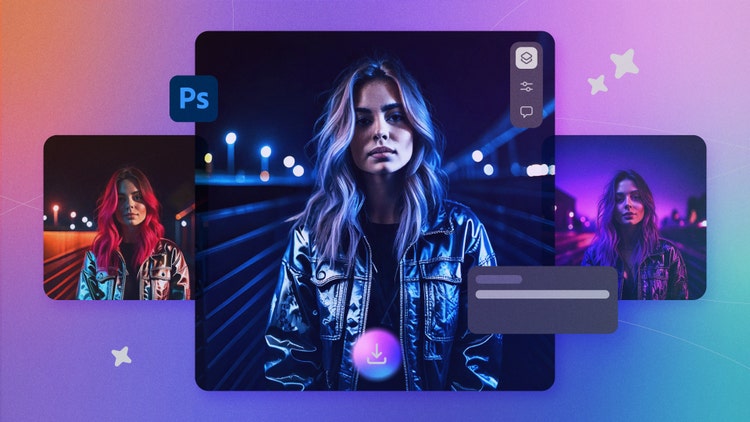
In addition to the video tool, Adobe has also redesigned its Firefly web app, which acts as a central hub for the company’s generative AI tools. The revamped interface is designed to make navigating between different Firefly-powered models easier and more intuitive. This update ensures that users can efficiently access a variety of tools, from video generation to image creation, all powered by Adobe’s AI. The integration of Firefly with Creative Cloud apps such as Photoshop, Premiere Pro, and others streamlines the workflow for creatives, allowing seamless transitions between AI-powered generation and traditional creative software.

One key feature of the Firefly platform that Adobe emphasizes is its “IP-friendly” approach to AI models. Adobe has ensured that the Firefly models have been trained using datasets from the public domain and licensed content, making them safe for commercial use. This focus on intellectual property protection offers users confidence when utilizing these tools for professional projects, addressing concerns that have plagued generative AI in the past. With these updates, Adobe aims to push the boundaries of creative possibilities, making advanced video and image generation more accessible while ensuring commercial safety and compliance.