Yazılar

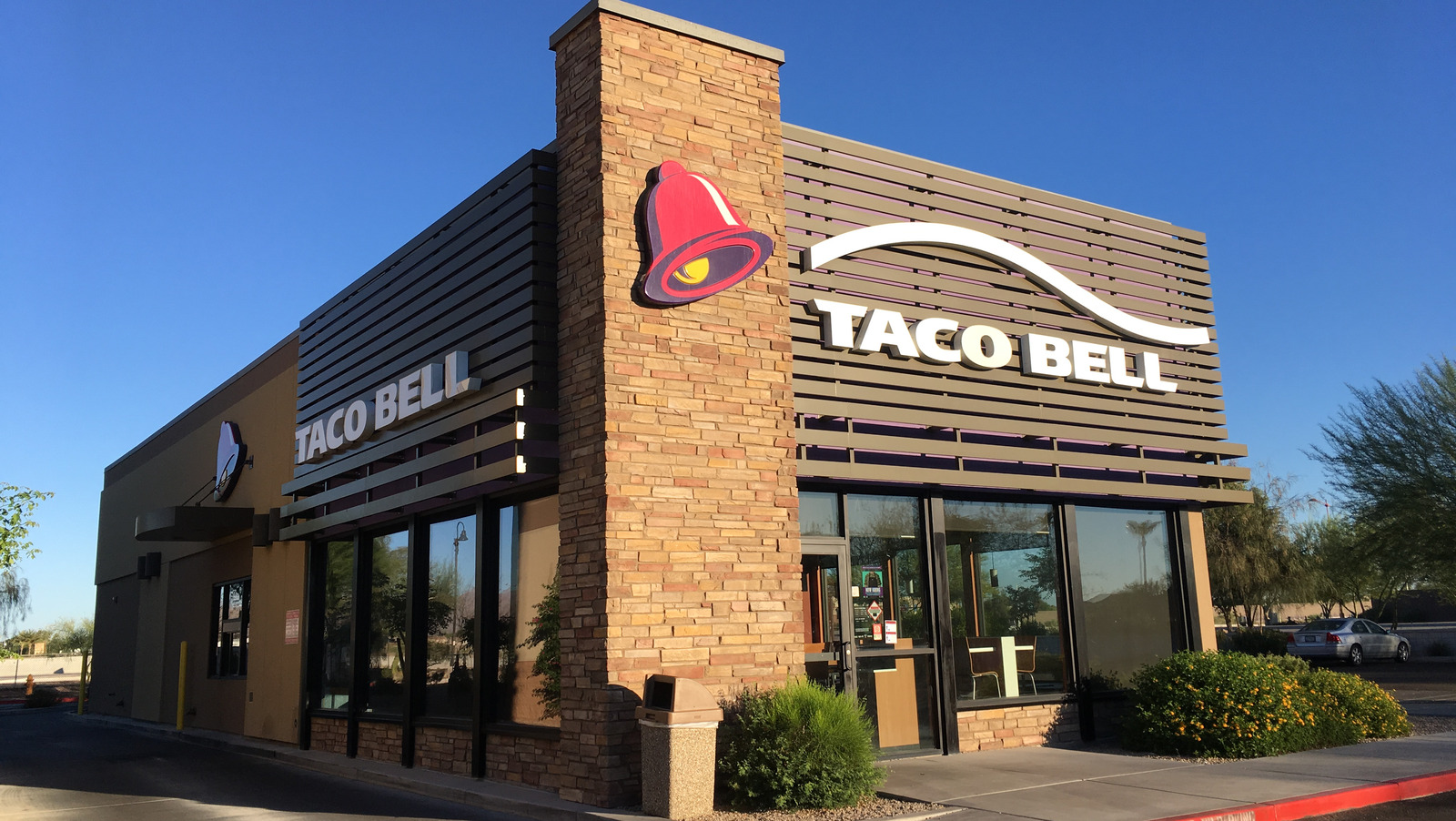
Yum’s Taco Bell Introduces AI Tool for Fast-Food Managers

Taco Bell, a brand under Yum Brands, has introduced a new artificial intelligence-powered tool designed for restaurant managers, marking the latest move by a fast-food giant to integrate labor-saving technology. The announcement was made at a Yum investor event in Brooklyn, New York, where Taco Bell executives revealed that the company has invested $1 billion into digital and technological advancements.

The AI tool, called Byte AI Restaurant Coach, is designed to assist restaurant managers with various tasks such as labor and inventory management. Taco Bell’s Chief Digital and Technology Officer, Dane Mathews, explained that AI is already being used in some locations for labor and inventory purposes.

During the event, Taco Bell Chief Operating Officer Jason Kidd demonstrated the potential of the AI assistant with a video skit showing a restaurant manager interacting with the AI character. The AI assistant, played by an actor, points out missing shifts and even offers to assist in the drive-through in case of employee absenteeism.

Currently, around 500 Taco Bell locations in the U.S. utilize AI-driven voice technology for taking drive-through orders, a significant increase from 100 locations just six months ago. While some analysts found the demonstration “cool yet slightly unsettling,” Taco Bell’s Chief Technology Officer, Joe Park, clarified that the purpose of AI integration is not to cut labor costs but to free up workers for other responsibilities.

The fast-food industry has been increasingly embracing technology to evolve a business model that largely remained unchanged for decades. Competitors such as Chipotle and McDonald’s have also made significant strides in AI integration, with McDonald’s even collaborating with Google Cloud to bring AI to its locations, though not without challenges.

Taco Bell’s tech, under the brand name Byte by Yum, is currently used in nearly 25,000 of Yum’s 61,000 restaurants globally. The company is optimistic about expanding its digital footprint, with the possibility of eventually licensing the technology to businesses outside the Yum ecosystem.

Despite some technical advancements, Mathews acknowledged that Taco Bell’s journey with AI is still in its early stages. Analysts have expressed excitement about the software, with some suggesting that Yum could one day sell these tools beyond its own restaurants.

JD.com Surpasses Revenue Estimates with Robust Demand and Government Stimulus Boost

JD.com, China’s e-commerce giant, posted its strongest revenue growth in 11 quarters on Thursday, beating market expectations for the fourth quarter. The company’s success was driven by a combination of deep discounts, government subsidies, and a strong holiday shopping season, resulting in a 13.4% year-over-year revenue increase. JD.com reported total revenue of 346.99 billion yuan ($47.91 billion), surpassing analysts’ expectations of 332.35 billion yuan, according to data from LSEG.

Shares of JD.com rose over 5% in early trading following the positive earnings report. The company’s performance reflects the competitive nature of China’s e-commerce market, with major players like JD.com and Alibaba slashing prices to attract customers. Furthermore, the Chinese government’s fiscal stimulus efforts, which include incentives for consumer goods trade-ins, have helped boost domestic consumption.

JD.com, a significant retailer of home appliances in China, is optimistic about future consumption trends, forecasting a rebound in demand and an improvement in customer experience driven by AI. CEO Sandy Xu highlighted that the company expects stronger growth in 2024, aided by the government’s fiscal policies and technological advancements.

In addition to its e-commerce dominance, JD.com is diversifying its business. The company announced its entry into the food delivery market in February, leveraging its extensive warehousing and logistics infrastructure to expand its offerings. Analyst Vinci Zhang sees this as a natural extension of JD.com’s capabilities.

For the October-December quarter, JD.com reported net income attributable to its ordinary shareholders of 9.9 billion yuan, a significant increase from 3.4 billion yuan during the same period last year.

Publicis Acquires Lotame, Doubles Consumer Reach to 4 Billion

Publicis, the French advertising powerhouse, has announced an agreement to acquire data and ID technology group Lotame, with plans to integrate it into its targeted marketing division, Epsilon. This acquisition is set to significantly enhance Publicis’ technological capabilities in the ever-evolving digital advertising sector, effectively doubling its individual consumer profiles to 4 billion from 2.3 billion.

While the financial terms of the deal were not disclosed, Publicis CEO Arthur Sadoun emphasized the strategic importance of data and technology, noting that the company has invested $1.5 billion in these areas over the past six months. In addition, Publicis plans to allocate between 800 million and 900 million euros ($864.6-$972.6 million) this year for future acquisitions in the technology and proprietary data sectors.

“AI is nothing without data,” Sadoun highlighted, showcasing the power of their 25,000 engineers and CoreAI system. This technology allows Publicis to track individual digital footprints, predicting and influencing consumer behavior across all screens and platforms globally. The system can even identify financial strain in consumers, instantly adjusting advertising to promote budget-friendly alternatives.

The acquisition of Lotame will enable Publicis to engage with 91% of all adult internet users, further solidifying its position as a leader in the digital advertising space.

The acquisition comes after a decade-long, 12 billion euro transformation that has seen Publicis leverage AI and big data to become the world’s largest advertising firm. With competitors like Omnicom and Interpublic set to merge, creating a $25 billion revenue entity, Publicis is keen to stay ahead in the competitive advertising landscape.

As personalisation becomes a growing priority for clients, Publicis is poised to continue its market growth, with an organic growth forecast of 4%-5% for 2024. In contrast, British rival WPP is expecting flat revenue and profit growth, with its stock hitting a four-year low after disappointing results.