Yazılar

Timekettle W4 Pro AI Interpreter Earbuds Unveiled at CES 2025 with Real-Time Translation on Demand

Timekettle has unveiled its latest innovation, the W4 Pro AI Interpreter earbuds, at the Consumer Electronics Show (CES) 2025 in Las Vegas. These advanced earbuds are designed to deliver seamless real-time on-call translation in 40 languages and 93 accents. Featuring an open-ear design, the W4 Pro enables two-way real-time language translation without requiring manual prompts, making it a convenient tool for global communication. A standout feature is its personalization capability, allowing users to assign specific translations to particular words. Additionally, Timekettle has introduced a new operating system, Babel OS, to enhance the functionality of the earbuds.

The Timekettle W4 Pro AI Interpreter earbuds are priced at $449 (approximately Rs. 38,500) and are available exclusively in a sleek black color. The earbuds were launched for sale on Sunday and can now be ordered directly from Timekettle’s official website. While the product is available for international shipping, customers should note that shipping charges will apply based on the delivery location. With its global accessibility, the W4 Pro aims to cater to a diverse audience looking for reliable and innovative translation tools.

According to the company, the W4 Pro AI earbuds boast an open-ear design with dimensions of 80.1×57.7×25.4mm, ensuring comfort and usability. The earbuds leverage on-device AI technology to provide real-time translation for on-call audio. This feature works seamlessly during voice calls, video calls, and even online meetings with multiple participants, offering versatility for both personal and professional scenarios. The device’s ability to maintain high translation accuracy in real-time settings makes it a standout choice in the market.

The introduction of Babel OS further enhances the W4 Pro’s capabilities, offering a robust platform for future updates and features. By combining cutting-edge AI technology with a user-friendly design, Timekettle aims to redefine communication for a global audience. Whether for business professionals, travelers, or language enthusiasts, the W4 Pro AI Interpreter earbuds promise to bridge language barriers effortlessly, positioning themselves as a must-have tool in an increasingly interconnected world.

Taiwan Anticipates Minimal Impact from Trump’s Tariffs on Chip Exports

Taiwan does not expect significant disruption to its semiconductor exports from tariffs proposed by U.S. President-elect Donald Trump, according to Economy Minister Kuo Jyh-huei. The island, home to the world’s largest contract chipmaker, Taiwan Semiconductor Manufacturing Co. (TSMC), is a pivotal player in the global tech supply chain, supplying companies like Apple and Nvidia.

While Taiwanese officials acknowledge that U.S. tariffs could negatively affect overall economic growth in Taiwan—an export-dependent economy—Kuo emphasized that Taiwan’s semiconductor sector would largely be shielded from these changes. He pointed out that Taiwan’s technological edge in semiconductor manufacturing gives it an advantage that cannot easily be replicated, limiting the impact of any potential tariffs.

Trump has pledged to impose a blanket 10% tariff on all global imports, along with higher tariffs specifically targeting Chinese goods. He also committed to a 25% tariff on imports from Canada and Mexico upon taking office on January 20.

In response to these developments, Taiwan plans to assist companies in relocating supply chains to the United States, helping mitigate the impact of tariffs by shifting operations where necessary. Kuo also highlighted efforts to foster growth in Taiwan’s aerospace sector, suggesting that some of the island’s aerospace research and development centers could relocate to the U.S. Additionally, Taiwan plans to open an office in Japan by mid-2025 to facilitate investments and collaboration on artificial intelligence (AI) and drone technology.


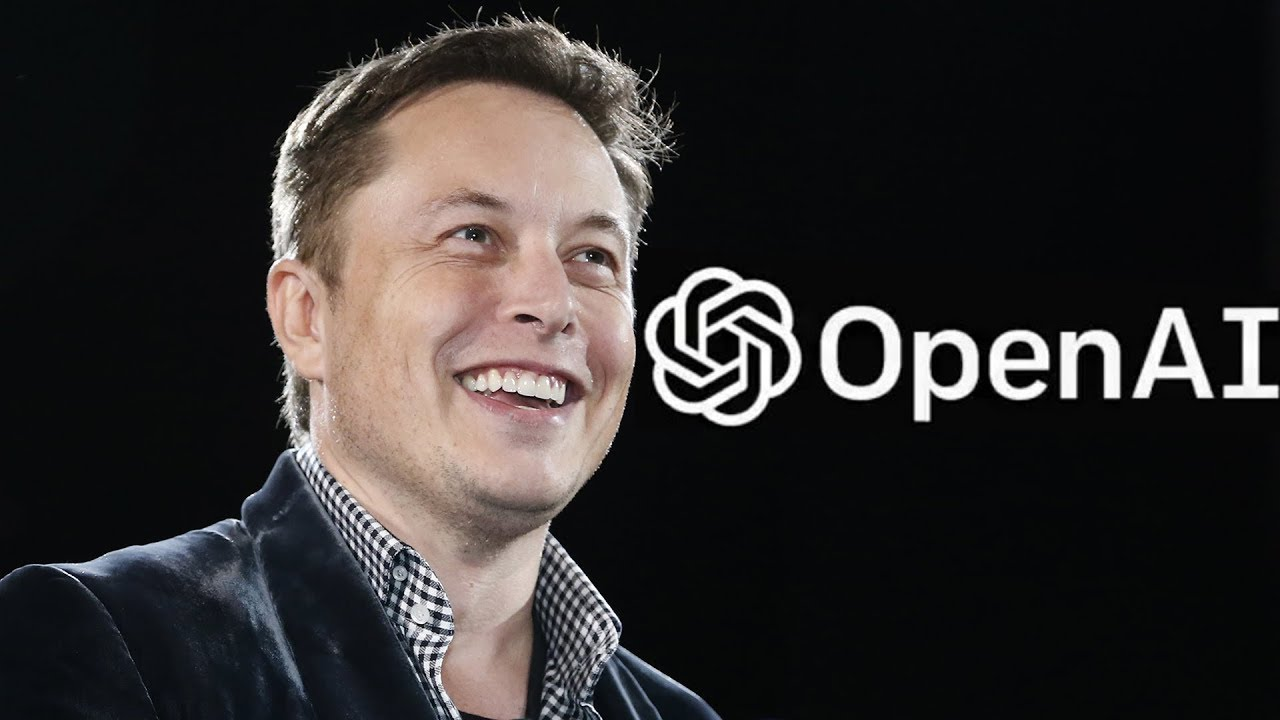
US Supports Musk’s Argument in Lawsuit Against OpenAI

U.S. antitrust regulators have weighed in on Elon Musk’s lawsuit seeking to block OpenAI’s transition into a public company, reinforcing his claims that OpenAI and Microsoft engaged in anticompetitive practices. Although the Federal Trade Commission (FTC) and the Department of Justice (DOJ) did not express a direct opinion on the lawsuit, they provided legal analysis that backs Musk’s argument ahead of a crucial hearing in Oakland, California.

Musk, who co-founded OpenAI and owns AI startup xAI, alleges that OpenAI violated antitrust laws by requiring investors to avoid funding rival artificial intelligence companies and by sharing board members with Microsoft, which is also named in the lawsuit. The lawsuit asserts that these actions harmed competition in the AI market.

In response, OpenAI dismissed the lawsuit, claiming that Musk’s allegations lack evidence and are merely harassment. The company also argued that the claims regarding board member affiliations were irrelevant, as two former Microsoft-affiliated board members—Reid Hoffman and Deannah Templeton—are no longer associated with OpenAI.

However, the FTC and DOJ emphasized that even former board members could still possess sensitive competitive information, which could have implications for antitrust law violations. The authorities also stated that a group investor boycott, as Musk alleges, could be illegal even if the organizer was not a direct investor, reinforcing Musk’s claims of anticompetitive conduct.

The FTC is currently investigating partnerships in AI, including the collaboration between OpenAI and Microsoft, to determine if there have been violations of antitrust or consumer protection laws.