Yazılar

Iraq-UAE Plan $700M AI Data Cable Route

An Iraqi-UAE consortium is preparing a $700 million data cable project linking the United Arab Emirates to Turkey through Iraq, aiming to strengthen regional connectivity as demand for AI infrastructure accelerates.

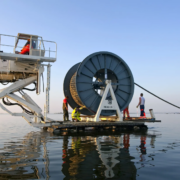
The project, known as WorldLink, will combine a subsea cable from the UAE to Iraq’s Faw peninsula with a land route running north to the Turkish border. It is being backed by Tech 964, DIL Technologies and UAE-based Breeze Investments.

Planned as a privately funded five-year rollout, the system is designed to ease congestion on existing data routes and provide a faster alternative to traditional connections passing through the Suez Canal.

The initiative reflects intensifying regional competition to become digital and AI infrastructure hubs, with Gulf states investing heavily in data centers and connectivity.

WorldLink follows closely on the announcement of a Saudi-backed fibre-optic network in Syria, part of a broader push to position the region as a strategic data bridge between Asia and Europe.

AI Fears Shake Multiple US Sectors

Concerns over artificial intelligence are spreading beyond the technology sector and weighing on a wide range of industries across U.S. markets.

What began as a selloff in software stocks has now extended to areas such as financial services, real estate, insurance, and logistics. Investors are increasingly questioning which industries may be vulnerable to automation as AI tools evolve rapidly.

Software companies were hit first, with fears that new AI solutions could disrupt long-established business models. The pressure then spread to private credit firms exposed to software lending and to financial brokerages after AI-driven tax planning tools entered the market.

Data analytics companies and legal service providers also saw declines as investors assessed the potential for AI to reduce reliance on traditional advisory services. Meanwhile, real estate service firms and insurance brokers faced losses amid concerns that AI-powered platforms could streamline tasks that currently require human expertise.

Even trucking and logistics stocks declined after AI-based freight optimization tools demonstrated efficiency gains without additional staff.

Market analysts suggest that investor sentiment has shifted toward identifying both winners and losers in the AI transition. While some fear the technology could disrupt established industries, others believe certain sectors will adapt by using AI to enhance rather than replace existing operations.

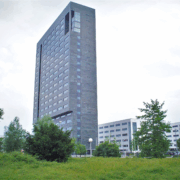
Is ASML nearing a growth ceiling or gearing up for another breakthrough?

Shares of Dutch chip-equipment maker ASML have surged to record levels, reigniting debate among investors over whether the company is approaching its growth limits or entering a new phase of expansion fueled by artificial intelligence demand. The stock initially jumped after strong fourth-quarter results before reversing course, highlighting how stretched expectations around the company have become.

ASML has been one of the biggest beneficiaries of the AI boom, as its extreme ultraviolet lithography machines are essential for producing advanced chips used by companies such as TSMC and Nvidia. Shares are up sharply this month and trade at elevated valuation multiples, reflecting optimism about future growth but also raising concerns that much of the good news is already priced in.

The company’s order backlog stands at nearly 39 billion euros, yet each machine can take up to a year to build, prompting questions about capacity constraints. ASML management has said it does not expect to become a bottleneck for the semiconductor industry, even as customers plan major capacity expansions over the coming years.

Supporters argue that long-term demand from AI, data centers, and advanced manufacturing will continue to drive growth, while skeptics caution that high valuations leave little room for disappointment. The debate underscores ASML’s central role in the global chip supply chain and the fine balance between exceptional growth prospects and lofty investor expectations.