
Yazılar

Cognition Labs Unveils AI Software Engineer Devin for Subscribers

Cognition Labs Launches AI Software Engineer Devin for Subscribers

Cognition Labs has officially released its AI platform, Devin, which is designed to function as a software engineer capable of handling complex coding tasks. First unveiled in March, Devin has now become publicly available, offering users the ability to write code in multiple languages, build and deploy websites and applications, debug code, and perform other engineering-related tasks. The AI software has already demonstrated its capabilities by passing practical engineering interviews from AI companies and even completing real projects on freelancing platforms like Upwork. This tool is now available through a subscription service for both individual users and engineering teams.

Subscription Details and Pricing

Starting Tuesday, Devin can be accessed by individuals and teams via a subscription, priced at $500 per month (roughly Rs. 42,400). The company did not specify why it took eight months to release the AI tool following its initial announcement. For subscribers, the package includes unlimited access to the AI model, a Slack integration for ease of communication, an IDE extension for coding support, and an application programming interface (APK) to integrate Devin into existing workflows. Furthermore, subscribers will also receive an onboarding session to help them understand how to effectively use the AI platform and streamline their development processes.

Support and Additional Features

Cognition Labs has emphasized that its engineering team will provide continuous support for all subscribers, ensuring that any technical issues or questions are addressed promptly. This includes helping users optimize their use of Devin for a range of software engineering tasks. The inclusion of Slack and IDE integration further enhances Devin’s usefulness in collaborative environments, where team members can easily communicate and collaborate on coding projects in real time.

Future Potential and Enterprise Use

While Devin is currently available on a subscription basis for individuals and engineering teams, Cognition Labs also offers tailored pricing for enterprises looking to adopt the AI tool. As AI continues to grow in capability, tools like Devin are likely to transform the way software engineering tasks are completed, offering companies a scalable solution for their coding needs. With its ability to perform a wide range of engineering tasks, Devin could play a key role in both small and large-scale projects, driving efficiency and innovation within the software development industry.
Microsoft Introduces Native Copilot App, Replacing PWA for Windows Insiders

Microsoft Rolls Out Native Copilot App for Windows Insiders

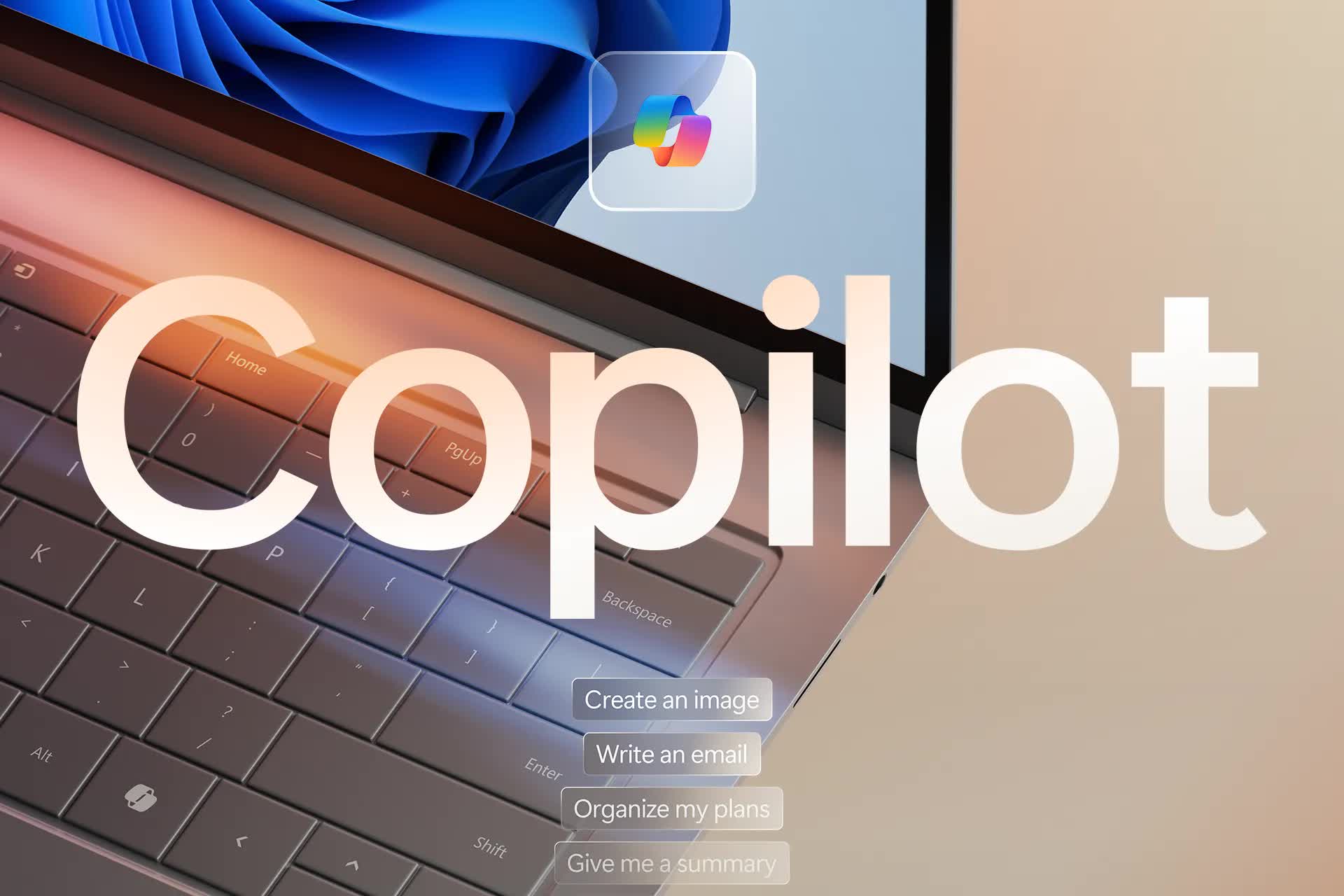
Microsoft has introduced a native Copilot app for Windows, replacing the Progressive Web App (PWA) version previously available to testers in the Windows Insider Program. Announced on Tuesday, this new version integrates more seamlessly with the Windows operating system. The app is being rolled out as an update and will appear in the system tray for eligible users. This development follows Microsoft’s recent unveiling of advanced Copilot features like Copilot Vision and AI-powered Recall, both of which are available in preview.

Enhanced Accessibility With Quick View Functionality

In a blog post, Microsoft detailed the innovative features of the native app. Among the highlights is the quick view functionality, which allows users to access the AI chatbot using keyboard shortcuts. By pressing Alt + Space, Windows 11 users can easily open or close the quick view window. This feature also supports movement and resizing, enhancing usability. If users wish to return to the full Copilot app, they can do so by selecting an icon located at the top-left corner of the quick view interface.

Keyboard Shortcuts and Prioritization

Microsoft has built this shortcut around the RegisterHotKey function, which is widely used across Windows applications. As a result, the behavior of the Alt + Space shortcut depends on which app is launched first or already running in the background. This prioritization ensures flexibility but could create conflicts if multiple applications rely on the same hotkey combination. Microsoft has not yet announced specific guidelines for managing these potential overlaps.

Future Implications and User Experience

The release of the native Copilot app marks another step in Microsoft’s efforts to integrate AI into its ecosystem. The new features aim to streamline how users interact with Copilot, making it more accessible and adaptable to individual workflows. With its placement in the system tray and improvements in navigation, Microsoft seems committed to creating a more intuitive experience for Windows users. As this version evolves, testers’ feedback will likely shape further updates and refinements.

Google Unveils PaliGemma 2: A New Family of Open-Source AI Vision-Language Models

Google unveiled the next generation of its PaliGemma AI vision-language model, introducing the PaliGemma 2 family. This new model builds upon the capabilities of its predecessor, enhancing the ability to process and understand visual content like images and other visual assets. The PaliGemma 2 is powered by the Gemma 2 small language models (SLM), which were first released in August. A notable feature of PaliGemma 2 is its ability to analyze emotions within the images it processes, offering a more nuanced understanding of visual data.

In a detailed blog post, Google explained how the PaliGemma 2 model fits into the broader landscape of vision-language models. Unlike traditional large language models (LLMs), vision-language models are equipped with specialized encoders that allow them to process and interpret visual content. This makes them capable of “seeing” and understanding the external world in a way that traditional models, focused on text, cannot. By combining visual and language data, PaliGemma 2 can offer a deeper and more accurate understanding of multimodal inputs.

One of the key advantages of PaliGemma 2 is its smaller size, which optimizes the model for both speed and accuracy. Smaller models are particularly valuable for a wide range of applications because they can be deployed more efficiently without compromising on performance. The PaliGemma 2 is open-sourced, allowing developers to integrate its advanced capabilities into their own applications, making it a versatile tool for a variety of use cases in AI-powered image analysis, emotion recognition, and beyond.

By releasing PaliGemma 2 as open-source, Google aims to empower the developer community to leverage this cutting-edge technology. The open-source nature of the model means that developers can experiment with its capabilities, adapt it for different projects, and contribute to its ongoing improvement. With its ability to interpret both text and visual data, PaliGemma 2 is poised to become a powerful resource for building more interactive, intelligent applications that bridge the gap between language and vision in AI.