Yazılar

Google Bets Big on AI to Transform Search, Says Investment Chief

Alphabet Inc., the parent company of Google, is channeling its largest investments into enhancing its core search business through artificial intelligence (AI), according to Ruth Porat, Alphabet’s president and chief investment officer. Speaking at the Reuters NEXT conference in New York, Porat underscored that applying AI to search remains the company’s most significant focus.

“We’re meeting people where they want to be next,” Porat stated during her interview with Reuters Editor-in-Chief Alessandra Galloni. Search advertising generates the majority of Alphabet’s annual revenue, which exceeds $300 billion.

In recent years, Alphabet has integrated AI-powered features into its search engine, such as AI-generated overviews for queries without straightforward answers. These efforts come in response to rising competition from companies like OpenAI, the creator of ChatGPT. However, this shift has presented challenges, including the phenomenon of AI “hallucinations,” where the technology produces inaccurate or fabricated information.


CLOUD AND HEALTHCARE: ADDITIONAL INVESTMENT AREAS

In addition to its AI-driven search initiatives, Alphabet is investing heavily in Google Cloud and healthcare technologies. Porat highlighted the company’s achievements in healthcare innovation, including AlphaFold, an AI system capable of predicting protein structures. Through its Isomorphic Labs division, Alphabet is leveraging AlphaFold for drug discovery.

Porat also emphasized the transformative potential of AI in medical care, from preserving eyesight for at-risk individuals to reducing administrative burdens on doctors. “It can restore humanity into the doctor-patient relationship,” she said, drawing on her own experiences as a two-time breast cancer survivor.


BALANCING INNOVATION AND COSTS

While Alphabet sees AI as a “generational opportunity,” the investments come with substantial costs. The company is projected to spend $50 billion in 2024 on chips, data centers, and other capital-intensive projects. Despite these expenses, Porat emphasized that Alphabet is committed to grounding its investments in measurable results. “We need to generate a return,” she stated.

As Alphabet pioneers advancements in both search and broader applications of AI, the company aims to maintain its dominance in search advertising while addressing competitive and operational challenges.

Amazon Partners with Intuit to Bring QuickBooks to Third-Party Sellers

Amazon is expanding its services for third-party sellers by partnering with Intuit to introduce its QuickBooks software, providing accounting tools to help sellers manage their finances. The collaboration, announced on Monday, will offer the software on Amazon Seller Central, the platform used by millions of sellers to manage their businesses on Amazon. This new integration is expected to launch in mid-2025.

With this move, Amazon aims to assist smaller sellers—especially mom-and-pop shops—with managing their finances more effectively. Sellers will have access to real-time insights into their financial health, including profitability, cash flow, and tax estimates. Additionally, sellers will have the opportunity to access loans through QuickBooks Capital to further support business growth.

Dharmesh Mehta, Amazon’s vice president of worldwide selling partner services, emphasized the importance of this collaboration, saying, “Together with Intuit, we’re working to equip our selling partners with additional financial tools and access to capital to help them scale efficiently.”

Although the integration won’t go live until next year, the announcement comes just as sellers are gearing up for the busy holiday shopping season. The partnership highlights Amazon’s continued focus on its marketplace, which accounts for about 60% of the products sold on its platform. The company generates substantial revenue from third-party sellers, both through fees for fulfillment, shipping services, customer support, and advertising.

Amazon’s seller services revenue grew by 10% in Q3, reaching $37.9 billion and contributing 24% of its total revenue. Amazon CEO Andy Jassy noted that third-party demand and unit volumes remain strong, reflecting the importance of the marketplace to Amazon’s overall business strategy.

Intuit, which is best known for its QuickBooks accounting software, has been expanding its offerings with AI-driven tools to help small businesses streamline their operations. QuickBooks has been a major growth driver for the company, and Intuit has recently added generative AI features to its suite of tools, including QuickBooks and Mailchimp, to provide more automated insights for small business owners. Intuit CEO Sasan Goodarzi noted that the goal is to create a seamless, “done-for-you” experience across its platforms to help sellers increase revenue and profitability while saving time.


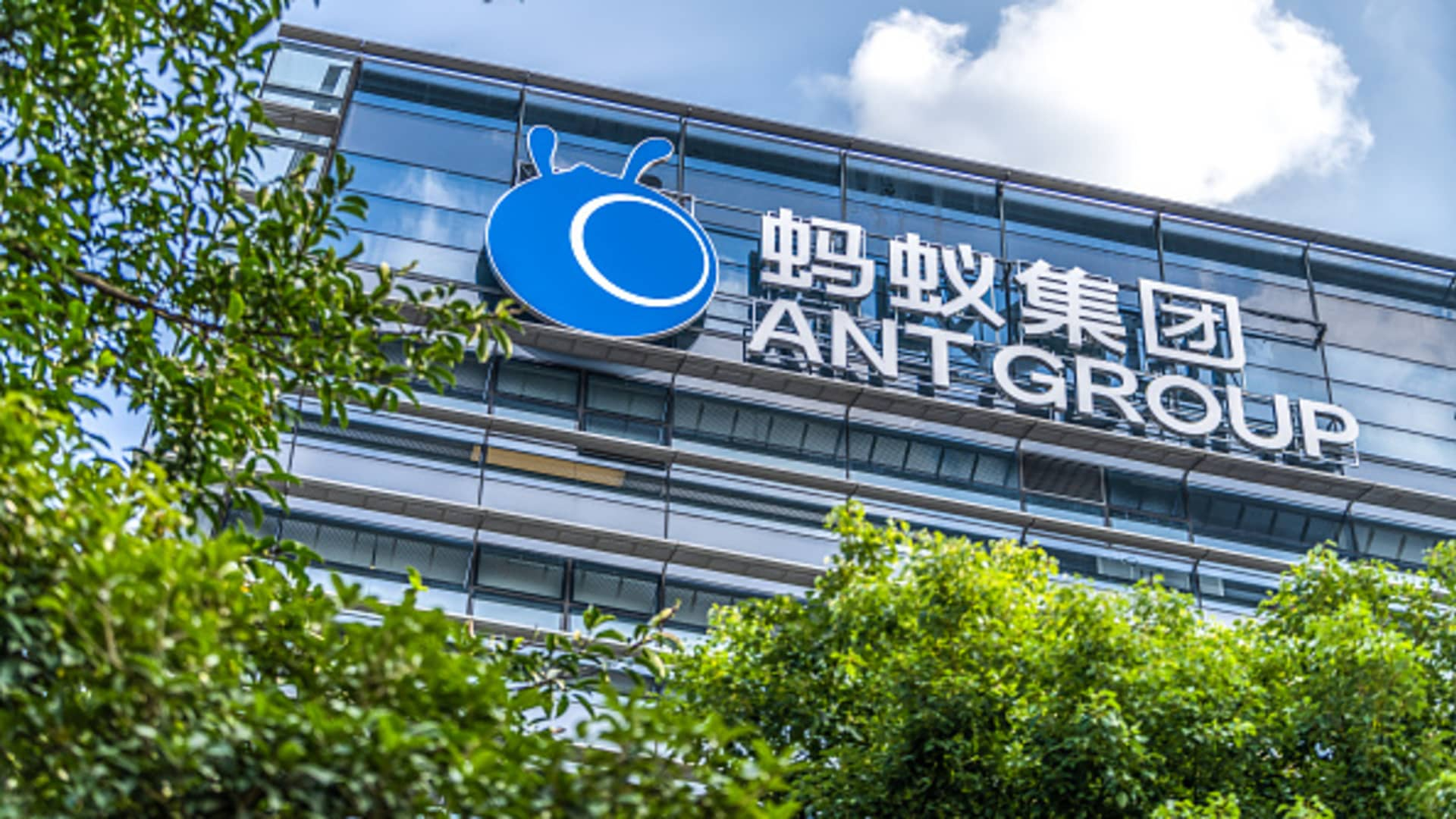
Ant Group Appoints New CEO as Jack Ma Discusses AI in Rare Appearance

Ant Group has announced Cyril Han, the company’s president and finance chief, will succeed Eric Jing as CEO starting March 1, 2025. Jing will remain as chairman, and Han will report directly to him. This change in leadership comes as Ant Group, the parent company of the popular Alipay payments app, seeks to rejuvenate its growth following regulatory challenges in China’s tech sector.

The announcement was made during Ant Group’s twentieth anniversary celebrations, which also featured a rare public speech by founder Jack Ma. Ma, whose businesses have faced significant scrutiny from Chinese authorities, reflected on the internet era’s impact on his generation. He also expressed confidence that the artificial intelligence revolution over the next two decades would far surpass expectations, underscoring the transformative potential of AI.

Ma’s appearance is notable, given the regulatory clampdown on China’s tech sector, which halted Ant Group’s much-anticipated IPO in late 2020. Since then, Ant has restructured its operations to comply with government regulations. This regulatory tightening has affected major Chinese tech companies, including Alibaba, the e-commerce giant Ma co-founded.

Despite these challenges, recent signs suggest that Chinese regulators are loosening restrictions as the nation’s economic growth slows, offering hope for a potential recovery in the sector.