Yazılar

Microsoft Brings Native Audio Creation to Copilot With New Expressive Voice Options

Microsoft has introduced a new native audio generation feature to its Copilot platform, expanding its AI capabilities beyond text and images. With this update, users can now provide Copilot with a written script and have it converted into a natural-sounding AI voiceover in different expressive styles. Unlike traditional text-to-speech tools, Microsoft claims its system delivers audio that feels more authentic and less robotic. This breakthrough is powered by the company’s in-house MAI-Voice-1 AI model, first unveiled in late August.

The announcement was made by Mustafa Suleyman, CEO of Microsoft AI, through a post on X (formerly Twitter). Suleyman highlighted that the audio generation feature is currently available through Copilot Labs, but only to users signing in with a personal Microsoft account. The move signals Microsoft’s intention to test the feature on a smaller scale before rolling it out more broadly across its ecosystem of apps and services.

At launch, Copilot offers users three distinct voice modes. The first, Scripted mode, delivers a straightforward and literal read of the input text, making it well-suited for use cases such as formal announcements, e-learning, and document narration. This ensures a professional and clear tone without unnecessary dramatization.

The second mode, called Emotive, is designed to add flair and expression. By varying pitch, tone, and pacing, it creates a more dynamic and engaging delivery that feels closer to human storytelling. Microsoft says this style is best for marketing, advertising, or entertainment contexts where dramatic impact matters. A third style, which Suleyman has hinted at but not fully detailed yet, is expected to further broaden Copilot’s voice versatility, giving users additional creative options.
Germany Launches Nvidia-Powered Jupiter Supercomputer to Compete in Global AI Race

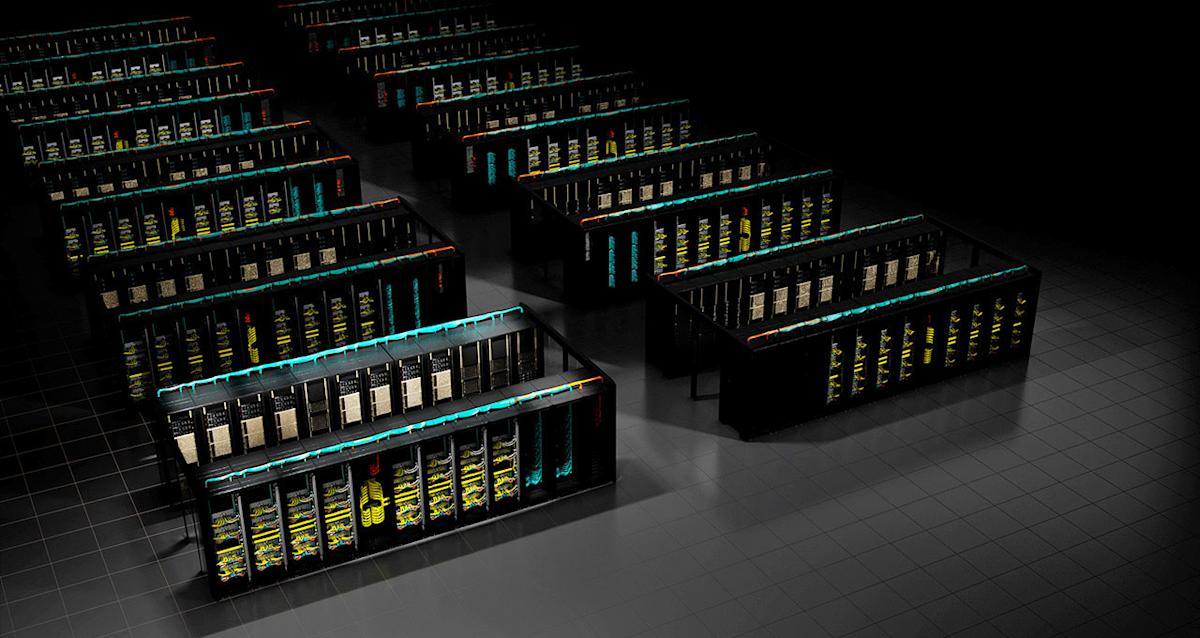
German Chancellor Friedrich Merz on Friday inaugurated Jupiter, a Nvidia-powered supercomputer that ranks as the fourth-fastest in the world and Europe’s first Exascale-class machine. Located at the Juelich Research Centre, Jupiter can perform one billion billion (10^18) calculations per second—equivalent to the power of about 10 million laptops.

Built in partnership with France’s Atos and Germany’s ParTec, Jupiter represents a landmark effort for Europe to catch up with the U.S. and China in high-performance computing and AI infrastructure. “We are today witnessing a historic European pioneering project,” Merz said, stressing that Europe has the opportunity not only to close the gap but also to remain competitive in the long run.

Beyond its symbolic importance, Jupiter is expected to advance research in biotechnology, climate modeling, and AI development, reducing Europe’s reliance on foreign digital infrastructure. Ralf Wintergerst, head of German tech association Bitkom, called for easy access to the system for startups and established firms to maximize its impact on innovation.

With Jupiter now operational, Germany positions itself at the heart of Europe’s AI and scientific research ecosystem, while aiming to balance global competition with technological sovereignty.

Tesla Board Floats Unprecedented $1 Trillion Pay Package for Elon Musk

Tesla’s board has proposed a record-breaking $1 trillion compensation package for CEO Elon Musk, an award that would dwarf any executive pay deal in history. The package hinges on Musk boosting Tesla’s valuation nearly eightfold to around $7.5 trillion over the next decade. If fully earned, it would significantly expand his voting power beyond his current 13% stake, further cementing his influence over the company.

The plan underscores Tesla’s reliance on Musk’s leadership as the company faces slowing electric vehicle demand, intensifying competition from China, and mounting pressure to deliver on its AI-driven ambitions in robotaxis and humanoid robots.

Reactions from analysts and investors have been sharply divided:

  • Supporters argue the structure ties Musk’s rewards to ambitious but potentially transformative growth targets. Some say shareholders stand to benefit if even part of the package is achieved.

  • Critics describe the scale as excessive and a sign of weak corporate governance, especially given Tesla’s recent challenges and Musk’s distractions outside the company. Concerns also loom over litigation risk, given that Musk’s prior $56 billion package was struck down by a Delaware court.

  • Others note the package reflects Tesla’s belief that Musk’s vision and presence are its most critical assets—even more than factories or technology.

The proposal has also raised alarms about precedent, with some observers warning it could normalize “adding extra zeros” to executive pay packages across corporate America. With shareholder approval and potential regulatory scrutiny ahead, the outcome could reshape both Tesla’s future and broader debates on CEO compensation.