Yazılar

AI Takes Center Stage at Microsoft’s Developer Conference Amid Profit Push

Microsoft’s Developer Conference Highlights AI Strategy and Profit Goals

Microsoft kicked off its annual developer conference in Seattle on Monday, gathering thousands of software developers eager to transform the company’s extensive artificial intelligence investments into tangible, revenue-generating tools. The focus of this year’s event is squarely on monetizing AI—turning years of research and infrastructure development into products and services for both consumers and enterprises.

The tech giant, based in Redmond, Washington, has already invested a staggering $64 billion this year—much of it funneled into data centers that support AI-powered features like Copilot, which is integrated into Microsoft 365 applications. Its deep partnership with OpenAI, the creator of ChatGPT, remains central to its strategy, even as the dynamics of that relationship begin to shift.

There are growing indications that Microsoft is recalibrating its role in the AI ecosystem. Despite its close ties with OpenAI, Microsoft recently allowed the AI firm to collaborate with Oracle on the ambitious “Stargate” data center project in Texas. This move suggests Microsoft is positioning itself more as a platform provider—a “neutral arms dealer” in the intensifying AI race—rather than maintaining exclusive strategic control.

CEO Satya Nadella has also emphasized efficiency, stating that once an AI algorithm is refined, performance improvements can drive down computing costs significantly—up to tenfold. This efficiency is key as demand for AI services hosted on Microsoft’s Azure cloud continues to rise. According to Cantor Fitzgerald analyst Thomas Blakey, Microsoft is increasingly retaining AI services within its own data centers, giving it tighter control over cost, performance, and profitability.
Apple Expected to Hold Back Siri Enhancements at WWDC, Avoid Early Feature Reveals: Report

Apple is reportedly set to take a cautious approach to its Siri voice assistant upgrades at the upcoming WWDC 2025 event. According to recent reports, the company will focus more on refining and enhancing its existing Apple Intelligence features rather than unveiling any major new advancements in Siri. This shift in strategy follows the challenges Apple faced last year, when a highly anticipated AI-powered Siri update showcased at WWDC 2024 experienced significant delays before becoming available to users.

The company’s efforts for the iOS 19 update appear to center around polishing current AI-driven functionalities and introducing a couple of new, more measured features. One such addition is expected to be an AI-powered tool that estimates how long it will take to charge an iPhone, helping users better manage their device usage. Another anticipated enhancement is a virtual health coach integrated into the Health app, designed to analyze data from Apple Watch and other sources to offer personalized wellness insights.

Despite working to develop a more sophisticated Siri experience, Apple seems to be marketing Siri and Apple Intelligence as separate entities. This suggests a strategic decision to manage user expectations and avoid the pitfalls of announcing features prematurely. Instead, Apple is likely to reveal new functionalities closer to their actual release dates, ensuring a smoother rollout and minimizing the disappointment of delays.

Last year, Apple introduced several AI-powered features across its devices, including Genmoji, enhanced writing tools, photo cleanup options, and notification summarization. However, the most ambitious upgrade—an AI-enhanced Siri—remains pending, highlighting the company’s careful balancing act between innovation and reliability as it prepares for the next phase of voice assistant improvements.

Tipster Reveals Samsung Developing AI-Based Image-to-Video Technology

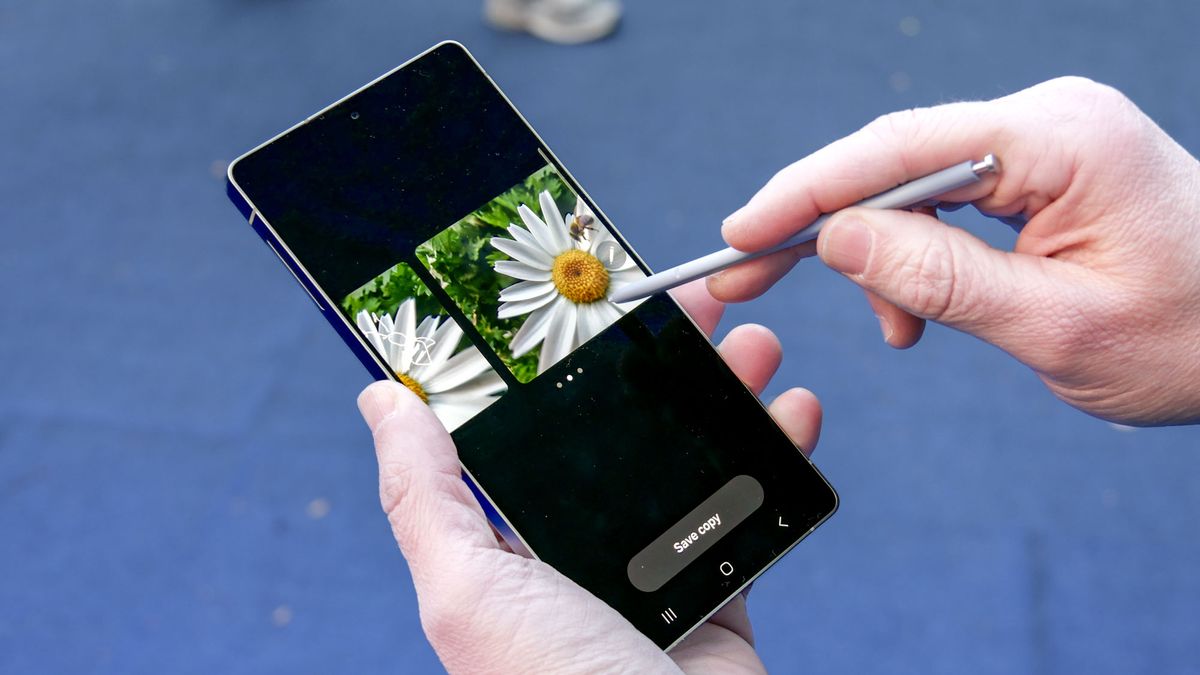
Samsung is reportedly developing an innovative AI-powered feature that can transform still images into short videos. According to a tipster, this new technology will enable users to convert any photo from their gallery into a few-second-long video clip. Although detailed information about how the feature will work remains scarce, it is expected to be integrated into Samsung’s Galaxy AI suite and may debut alongside the upcoming One UI 8.0 software update.

The tip about Samsung’s image-to-video capability came from PandaFlash on X (formerly Twitter), who revealed that the feature aims to generate brief videos using just a single image as input. This suggests an advancement beyond simple photo animation, potentially allowing for more dynamic and lifelike video content. However, specifics such as the AI model behind this tool or the range of effects it can produce have yet to be disclosed.

This development closely follows similar announcements from other brands, including the Honor 400 series, which introduced an AI feature capable of creating up to five-second videos from images. TikTok also recently launched “AI Alive,” a tool that animates photos in creative ways. Both of these features primarily enhance images by adding motion, rather than generating fully new video content from scratch. Honor’s solution is reportedly powered by Google’s Veo 2 video generation model, leading to speculation that Samsung might leverage the same technology given its recent partnership with Google on Galaxy S24’s Circle to Search feature.

If implemented, Samsung’s AI video generation tool would expand the multimodal capabilities of Galaxy AI, which already supports generating images from text or image prompts. Introducing video generation would mark a significant step forward for the platform, enabling more immersive content creation directly from users’ photo libraries. The feature is anticipated to arrive as part of the One UI 8.0 update, adding fresh AI-driven creativity tools to Samsung’s flagship ecosystem.