Yazılar

YouTube Unveils Gemini-Driven ‘Peak Points’ Feature to Identify Best Ad Placements in Videos

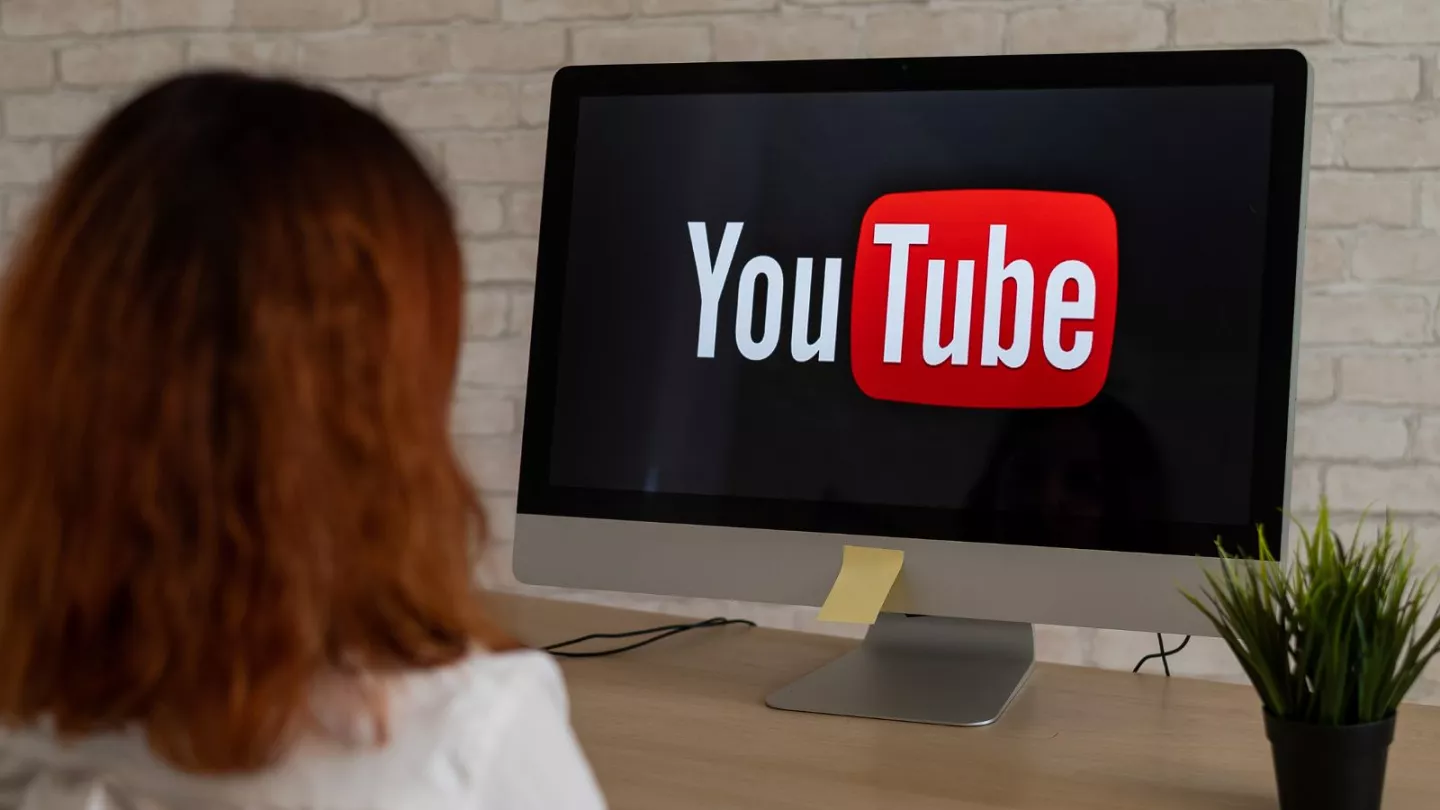
YouTube has introduced a cutting-edge AI-driven feature called Peak Points aimed at advertisers looking to maximize their ad impact. Announced during the recent Brandcast event in New York, this new tool leverages Google’s advanced Gemini AI to analyze videos and identify the exact moments when viewer engagement peaks. By placing ads at these optimal points, advertisers can ensure their messages reach audiences when attention is highest, potentially improving both viewership and ad effectiveness. Currently, Peak Points is available as a pilot program, signaling YouTube’s cautious rollout of this promising innovation.

The introduction of Peak Points underscores YouTube’s continued efforts to enhance its advertising model, which remains a major revenue driver for the platform. Traditionally, ads have been placed at the start of videos, with some unskippable ads and even efforts to bypass ad-blockers, all intended to maximize viewer exposure. However, the new feature takes a more sophisticated approach by analyzing video content itself to identify natural peaks in engagement. This allows ads to appear during moments that organically capture viewer interest, such as key scenes or dramatic turning points, rather than just at preset time stamps.

In practice, Gemini’s AI scans videos frame-by-frame and parses through transcripts to find these crucial moments where the audience is most likely to be attentive. For example, during a demo, the system pinpointed an ad slot just before a marriage proposal scene, capitalizing on a moment of high emotional engagement. This targeted placement aims to make ads feel less intrusive and more relevant, benefiting both advertisers and viewers by enhancing the overall viewing experience.

While YouTube has not clarified whether user interaction data—such as pausing or replaying certain scenes—is also analyzed, the use of AI to optimize ad timing represents a significant leap forward in digital advertising technology. As this feature develops beyond its pilot phase, it could redefine how ads are integrated into video content, ultimately allowing advertisers to connect with audiences more effectively while supporting content creators through improved monetization opportunities.


Google Introduces Enhanced AI and Accessibility Tools for Android and Chrome Users

Google has unveiled a range of new artificial intelligence (AI) and accessibility enhancements for Android devices and the Chrome browser, timed to coincide with Global Accessibility Awareness Day, which falls on the third Thursday of May each year. These updates are designed to make digital experiences more inclusive, particularly for users with vision and hearing challenges. The tech giant has integrated advanced Gemini AI capabilities into existing features and expanded access to previously US-only tools, while also introducing new functionalities to Chrome aimed at improving accessibility for those with low vision.

On the Android front, Google is enhancing its TalkBack screen reader by broadening the Gemini-powered alt text description feature. Previously, this feature allowed TalkBack to generate detailed descriptions of images lacking alt text, but now users can interact more deeply by asking questions about the images or even their overall screen content. This conversational ability brings a new level of interactivity and independence for users relying on screen readers. Additionally, Google is expanding its Expressive Captions feature—an AI-powered enhancement that enriches live captions with emotional and contextual cues, such as tone and volume—which was previously limited to the US.

Expressive Captions helps convey the mood and nuances behind speech in subtitles. For example, instead of a simple “no,” the captions might display “noooooo” to indicate emphasis or frustration, or show excitement with phrases like “amaaazing shot” during a sports broadcast. This feature is now rolling out in English to users in Australia, Canada, the UK, and the US on devices running Android 15 or later, aiming to make captions feel more natural and expressive.

The Chrome browser is also receiving significant accessibility upgrades. One notable addition is optical character recognition (OCR) support for scanned PDF documents. Until now, screen readers were unable to interpret text within scanned PDFs, limiting access for users with visual impairments. With the new OCR feature, Chrome can now recognize, highlight, copy, and search text in scanned PDFs, while enabling screen readers to vocalize the content. These improvements mark an important step toward making web content more accessible and usable for everyone.

Paris Overtakes London as Europe’s Leading Tech Ecosystem, Dealroom Finds

Paris has officially emerged as Europe’s new tech capital, overtaking London in key metrics for the first time, according to new data from Dealroom, a platform that tracks startup and venture capital activity.

Between 2017 and 2024, the combined enterprise value of Paris-based startups grew by a remarkable 5.3x, compared to 4.2x for London. While London still attracts larger individual funding rounds, Paris’s startup ecosystem has seen greater valuation growth relative to the capital raised, suggesting a more efficient translation of investment into company value.

In 2023, French startups — including high-profile players like Mistral AI and Poolside — raised $7.8 billion, compared to London’s $11.3 billion. Despite the funding gap, Paris’s growth in enterprise value pushed it to the top spot in Dealroom’s rankings, a shift driven by more impactful fundraising and a stronger valuation trajectory.

Paris is now the only European city featured in Dealroom’s list of the top five global tech champions, a list otherwise dominated by U.S. hubs.

🔍 Europe’s Tech Struggles

The Dealroom announcement comes alongside a sobering report from McKinsey, which highlights Europe’s broader tech stagnation. While the global market capitalization of tech, media, and telecom firms rose from $7 trillion in 2000 to $34 trillion in 2023, Europe’s share fell from 30% to just 7%. Had the region retained its former share, it could have generated $8 trillion more in market value.

🚀 Paris on the Global Stage

The news comes ahead of VivaTech 2024, one of the world’s largest tech conferences, set to take place in Paris next month. The event will host leaders from global tech giants like Nvidia, Alibaba, Meta, OpenAI, Anthropic, and Cohere. Last year’s edition attracted over 165,000 attendees, solidifying Paris’s status as a major global innovation hub.

François Bitouzet, VivaTech’s managing director, emphasized the city’s momentum:

“It’s not just about the competitiveness of Paris on the AI scene today, it’s also about what will happen next and how we can keep on attracting the talent, investment, and the tech activities.”

🇫🇷 Macron’s Vision Paying Off?

Since 2017, French President Emmanuel Macron has championed tech as a national priority, pushing for leadership in AI and deep tech. His administration has encouraged foreign investment, supported ambitious startups, and launched initiatives like Station F, the world’s largest startup incubator.

Paris’s recent rise appears to validate that strategy — and offers a rare beacon of tech success in a European ecosystem otherwise struggling to keep pace with its U.S. and Asian rivals.