Yazılar

Google Lays Off Around 200 Employees in Global Business Division: Report

Google recently announced cuts of approximately 200 jobs within its global business unit, which oversees sales and partnerships, according to a report by The Information. The layoffs reflect a broader trend among major tech companies to shift their focus and resources towards data centers and artificial intelligence (AI) development, while reducing investments in other divisions.

In a statement to Reuters, Google described the job reductions as part of a strategic effort to improve collaboration and enhance its ability to serve customers more efficiently. This restructuring follows earlier workforce reductions; last month, The Information reported that Google had laid off hundreds of employees from its platforms and devices division, responsible for products such as Android, Pixel phones, and the Chrome browser.

Google’s parent company, Alphabet, had previously announced a major workforce reduction in January 2023, cutting 12,000 jobs — roughly six percent of its global staff. As of the end of 2024, Alphabet employed 183,323 people worldwide, according to regulatory filings earlier this year. These recent layoffs continue the company’s efforts to streamline operations amid changing market priorities.

This move is part of a wider industry pattern, with several tech giants adjusting their workforces. Meta cut about five percent of its lowest-performing employees earlier this year while increasing hiring for AI-related roles. Microsoft trimmed 650 jobs in its Xbox division last September, and Amazon has made cuts across various departments, including communications. Apple also reduced roughly 100 positions in its digital services group last year, illustrating the sector-wide shift towards AI and cloud infrastructure investments.
Meta Allegedly Explored Adding Facial Recognition Features to Its Smart Glasses

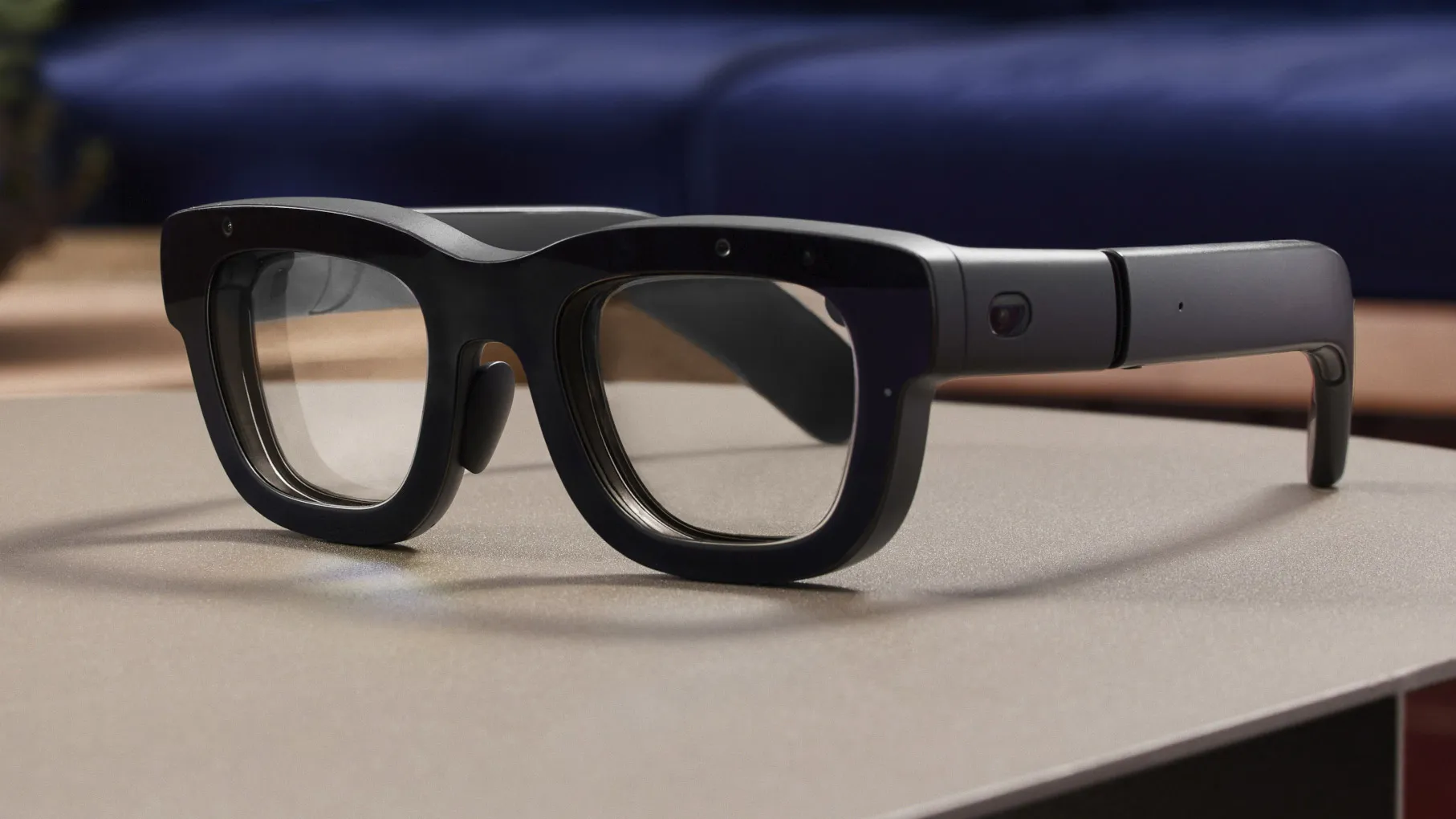
Meta has reportedly explored adding a facial recognition feature to its smart glasses that would allow wearers to identify people around them by scanning their faces. According to recent reports, this functionality would be opt-in for the glasses’ users, meaning they could choose to enable it. However, those being scanned would not have any way to opt out, raising privacy concerns. While the current Ray-Ban Meta AI Glasses flash an LED light when the camera is active, it remains unclear if the glasses would alert others when facial recognition is being used.

The feature, internally dubbed “super sensing,” is said to build on the existing Live AI capabilities of the Ray-Ban Meta AI glasses. Sources suggest Meta considered disabling the camera’s LED indicator during facial recognition scans, which would prevent people nearby from knowing when their faces are being scanned or identified. This raises questions about transparency and ethical use of such technology in everyday social situations.

Meta introduced the LED indicator to inform bystanders whenever the glasses’ camera was capturing photos or videos, aiming to maintain some level of privacy awareness. However, if the facial recognition feature bypasses this indicator, individuals around the wearer could be unknowingly identified. The ability to match faces to names instantly could have significant implications, both positive and negative, depending on how the technology is deployed and regulated.

Concerns about privacy are heightened by past incidents, such as a project developed by two Harvard students who created a system called I-XRAY. This system combined Meta’s smart glasses with large language models, facial recognition tools, and public databases to identify and locate their classmates without their consent. Such demonstrations highlight the potential risks associated with facial recognition on wearable devices, making Meta’s decisions on how to implement these features particularly critical.

Wear OS Smartwatches May Soon Gain AI-Powered Query Responses and Enhanced Gemini Features

Google’s Gemini AI Set to Enhance Wear OS Smartwatches with Smarter Task Management

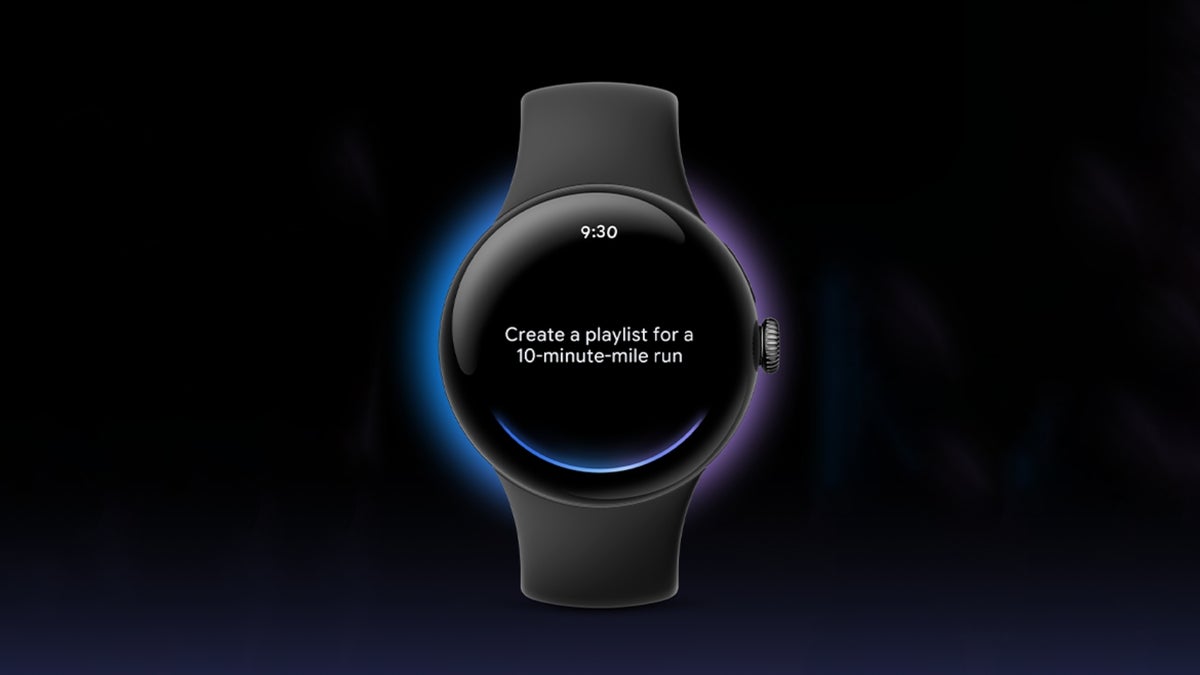
After confirming plans to extend its Gemini AI beyond smartphones, Google appears ready to bring these smart capabilities to Wear OS-powered smartwatches, including Samsung’s Galaxy Watch line. Recent leaks suggest that Samsung’s upcoming One UI 8 update will integrate Gemini Actions, enabling smartwatch users to get intelligent responses to queries, summarize emails, and perform various automated tasks right from their wrist. This expansion aims to boost the productivity and convenience of smartwatches by leveraging the same AI-driven automation features already found on smartphones.

The discovery comes from a detailed teardown of leaked One UI 8 APK files by Android Authority, in collaboration with AssembleDebug. Inside the Google Assistant app’s code, references to Gemini Actions hint at a range of new functionalities in development. These features include managing calendar events, summarizing emails, and answering general questions—functions that transform the smartwatch from a simple notification device into a more proactive assistant capable of handling everyday tasks on the go.

According to the code, users may also be able to interact with Gemini through customizable tiles, allowing quick access to specific AI-powered actions like rescheduling meetings or checking the weather. Additionally, there are indications that the smartwatch interface will provide easy controls to mute the AI’s voice feedback, giving users flexible options for interaction depending on their environment. This combination of voice and touch controls aims to make the AI assistant more intuitive and less intrusive during use.

While the leaked code strongly suggests these features will debut on Samsung Galaxy Watches with One UI 8, industry insiders speculate that the Gemini AI rollout could extend to other Wear OS smartwatches as well. Notably, Samsung might skip the intermediate One UI 7 update entirely and move directly to One UI 8 for its wearables, signaling a significant leap in software capabilities. This development reflects Google and Samsung’s commitment to making smartwatches smarter and more helpful through AI innovation.