Yazılar

Chinese Brain Chip Project Speeds Up Human Trials, Aims for 13 Patients by Year-End

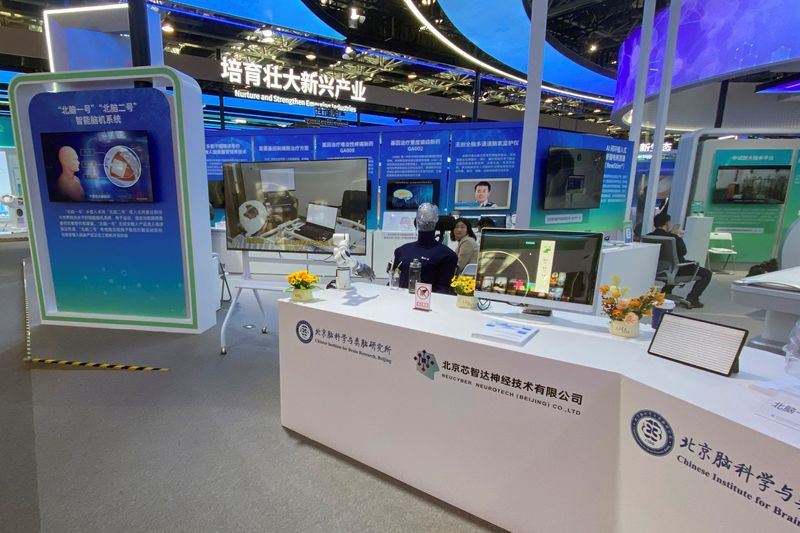
A Chinese brain chip project, a collaboration between the Chinese Institute for Brain Research (CIBR) and NeuCyber NeuroTech, is accelerating its human trials with the goal of implanting its semi-invasive, wireless Beinao No.1 brain chip into 13 patients by the end of 2025. This move could potentially outpace Elon Musk’s Neuralink in terms of the number of patient data collected.

In the past month, three patients have already received the Beinao No.1 implant, with 10 more scheduled for this year. Next year, the project plans to expand further with a formal clinical trial involving around 50 patients, subject to regulatory approval. This rapid acceleration of human trials could position Beinao No.1 as the brain chip with the highest number of patients worldwide, placing China in direct competition with other leading brain-computer interface (BCI) developers.

While U.S.-based Synchron, which counts Jeff Bezos and Bill Gates as investors, currently leads in human trials with 10 patients, Neuralink’s own wireless brain chips have been tested on three patients. Beinao No.1 is a semi-invasive BCI, placed on the brain’s surface, offering less risk of brain tissue damage compared to Neuralink’s deep brain-implant approach.

Videos recently released by state media showed patients with paralysis using the Beinao No.1 chip to control a robotic arm, showcasing its potential to aid individuals with mobility issues. Despite the early success, CIBR and NeuCyber face challenges in securing sufficient investment, as their project is positioned more for long-term medical benefits than short-term commercial gain.
Musk’s xAI Acquires X, Valuing Social Media Platform at $33 Billion

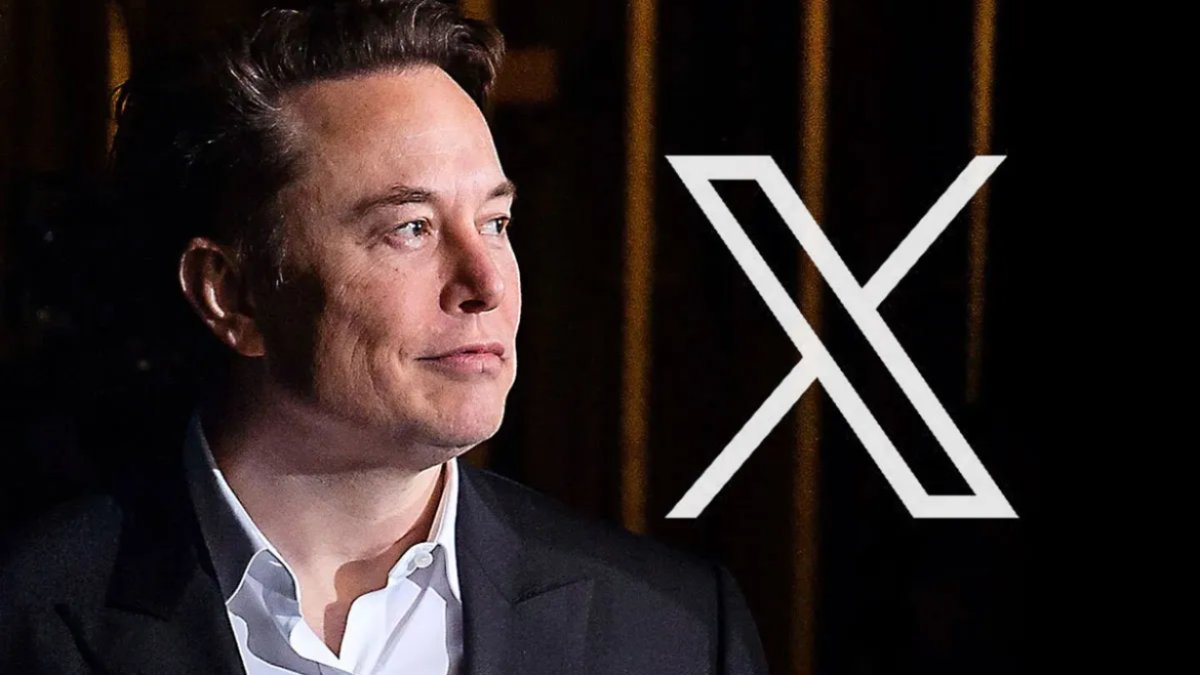
Elon Musk’s artificial intelligence company, xAI, has acquired X (formerly Twitter) in a deal that values the social media platform at $33 billion. This acquisition also boosts the valuation of xAI to $80 billion, with plans to leverage the combined assets, including data, models, and computing resources, to enhance xAI’s chatbot, Grok.

Musk, who also leads Tesla and SpaceX, emphasized the synergy between xAI and X, stating that the futures of both companies are now intertwined. While the specifics of the deal, including leadership integration and potential regulatory scrutiny, remain unclear, it marks a significant consolidation of Musk’s companies under his leadership.

Saudi Arabian investor Prince Alwaleed bin Talal, a major stakeholder in both X and xAI, welcomed the deal, estimating that the value of his investments would reach between $4 billion and $5 billion. Despite Musk not seeking investor approval beforehand, sources indicate that the deal is viewed as part of Musk’s strategy to consolidate his influence and management at his companies.

xAI, which competes with major players like OpenAI and China’s DeepSeek, has been expanding rapidly, especially in AI infrastructure, with its supercomputer “Colossus” in Memphis touted as the largest in the world. The merger with X could provide xAI with more avenues for distributing its AI products, tapping into a real-time feed of user-generated data.

CoreWeave’s IPO Faces Challenges Amid Financial Concerns and Market Uncertainty

CoreWeave’s upcoming initial public offering (IPO) is facing challenges, as concerns about the company’s financial health, including its significant debt load, and the timing of the listing may dampen retail investor enthusiasm. Despite backing from Nvidia, CoreWeave’s IPO is being launched in a market fraught with uncertainty, including tariff-related tensions and competition from China’s AI startup DeepSeek.

The company, specializing in AI infrastructure and cloud services, had initially targeted a fully diluted valuation of $32 billion but has since lowered it to around $23 billion after downsizing its IPO. Analysts, including Dan Coatsworth of AJ Bell, have pointed out that CoreWeave’s IPO may have been poorly timed, with AI-related interest cooling off since last year.

CoreWeave has also faced concerns over its long-term sustainability, particularly with its $8 billion debt, and its reliance on Microsoft for GPU demand. However, the company’s strong revenue growth, which more than doubled last year, remains a positive indicator. The IPO’s success will hinge on whether CoreWeave can maintain this momentum and meet earnings expectations.

Despite challenges, CoreWeave may attract retail investors seeking alternatives to the underperforming stocks of the Magnificent Seven tech giants. Some experts, including Josef Schuster from IPOX, believe that CoreWeave could benefit from investors diversifying beyond established players like Nvidia and Microsoft.