Yazılar

Google Assistant on Android Devices Set to Be Replaced by AI-Driven Gemini

Google is making a significant shift in its virtual assistant strategy by replacing Google Assistant with its AI-powered assistant, Gemini, for Android smartphone users. Announced on Friday, the company revealed that this transition will take place over the next few months, with Gemini gradually becoming the default assistant across more devices. This change will not be limited to smartphones alone, as Google plans to roll out Gemini to other devices like tablets, Android Auto, and accessories such as headphones and earphones that connect to Android smartphones.

Gemini has been available to Android users for some time now, but it was initially offered as an optional feature. Users with compatible devices could choose to make Gemini their default virtual assistant, allowing them to take advantage of its advanced AI capabilities. At the same time, those who preferred the traditional Google Assistant experience had the option to continue using it. However, the upcoming changes will remove this choice, making Gemini the sole default assistant for all Android devices.

The shift to Gemini marks a notable departure from the legacy Google Assistant, which has been a cornerstone of Android’s virtual assistant ecosystem for years. The decision is part of Google’s broader strategy to integrate more AI-driven technologies into its products, providing users with smarter and more responsive digital experiences. Gemini’s advanced features, which are expected to be powered by cutting-edge AI, will enhance how users interact with their devices, offering more context-aware responses and deeper integration with Google’s services.

Although Google will make Gemini the default assistant, users still have the option to install and use third-party virtual assistants if they prefer. This move signifies Google’s confidence in Gemini’s ability to provide a more robust and dynamic assistant experience, but it also offers flexibility for those who may want to explore alternatives. As this transition unfolds, Android users can expect to see a more seamless and AI-enhanced virtual assistant experience across their devices.
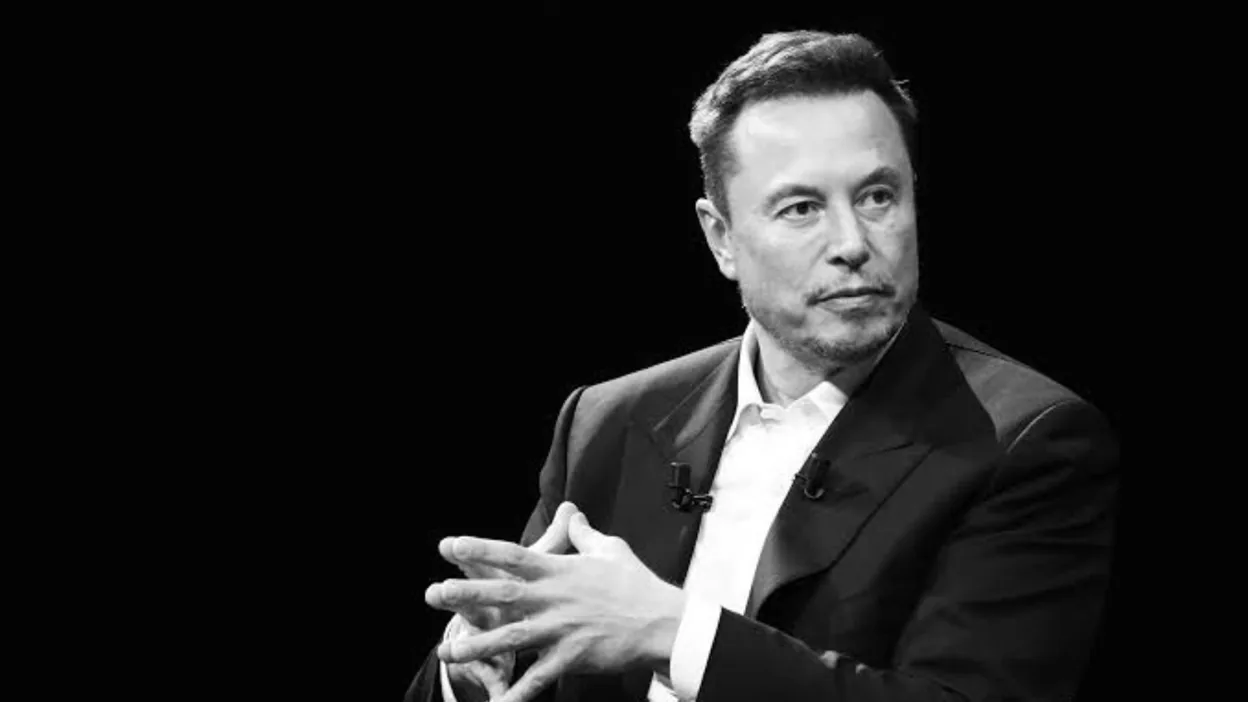
OpenAI and Elon Musk Agree to Expedite Trial Regarding For-Profit Transition

OpenAI and Elon Musk have agreed to accelerate the legal proceedings regarding OpenAI’s transition to a for-profit entity, marking the latest chapter in the public legal battle between Musk and OpenAI’s CEO, Sam Altman. The dispute, which has drawn significant attention, stems from Musk’s concerns over OpenAI’s shift from its original nonprofit model. The two parties, seeking a swift resolution, proposed fast-tracking the trial in a December filing, as revealed in a recent court document.

The trial’s progress took a key step this week when both OpenAI and Musk agreed to delay a decision about whether the case would be decided by a jury or a judge. This agreement comes after a judge ruled earlier this month, denying Musk’s attempt to pause OpenAI’s for-profit transition. However, the judge did agree to expedite the trial, which is now set to take place in the autumn of this year, intensifying the ongoing legal confrontation.

In response to the decision, OpenAI issued a statement welcoming the court’s March 4 ruling, which rejected Musk’s request to delay the transition. The company emphasized that it viewed the decision as a significant win, countering Musk’s efforts to slow down the shift for what they perceived as his personal gain. The statement further reflected OpenAI’s stance that it is committed to continuing its transition toward a more sustainable, for-profit model while pursuing its mission.

Elon Musk’s relationship with OpenAI has been complex since its founding. Musk co-founded the company in 2015 alongside Sam Altman, but he departed from the organization before it became the leading AI research group it is today. Subsequently, Musk launched his own AI startup, xAI, in 2023, which competes directly with OpenAI. This shift in allegiance, along with Musk’s concerns over the for-profit model, has fueled the legal dispute, as both sides prepare for what promises to be a high-stakes trial.

Apple’s Siri Chief Reportedly Admits AI Setbacks, Vows Improvements

Apple Inc. has been facing significant setbacks in the development of its Siri virtual assistant, with internal concerns surfacing about the pace of progress. Robby Walker, a senior director at Apple, recently addressed employees in the Siri division, acknowledging that delays in key features have been both frustrating and embarrassing. He further pointed out that the decision to promote the technology before it was fully prepared only worsened the situation, highlighting the challenges the company is currently facing.

During the all-hands meeting, Walker was candid about the difficulties the Siri team is enduring, describing this period as particularly tough. He also admitted that there is no clear timeline for when the anticipated improvements will be ready for release. His remarks, shared by individuals familiar with the meeting, illustrate the uncertainty surrounding Apple’s AI development. Given that this discussion was internal, those who disclosed details requested anonymity.

Apple’s struggles with artificial intelligence have put it at a disadvantage compared to competitors. While rival companies continue to push the boundaries of AI, Siri has lagged behind, reinforcing perceptions that Apple is falling behind in this crucial area. The company’s difficulties became even more apparent last week when it was forced to concede that critical Siri updates would not be arriving as planned. This announcement further fueled concerns about Apple’s ability to compete in the rapidly evolving AI landscape.

The delays and internal dissatisfaction underscore a broader issue: Apple’s historically cautious approach to AI innovation may be hindering its ability to keep pace with industry leaders. While the company has excelled in hardware and software integration, the AI revolution demands a different kind of agility—one that Apple has yet to fully embrace. As competitors continue to advance, the pressure is mounting for Apple to deliver meaningful improvements to Siri and reassert itself in the AI race.