Yazılar

Alphabet Set to Acquire Wiz for $32 Billion in Major Move to Strengthen Cloud Security

Alphabet has announced its decision to acquire the fast-growing cybersecurity startup, Wiz, for approximately $32 billion, marking the company’s largest-ever acquisition. This move is part of Alphabet’s broader strategy to bolster its cloud-computing division and enhance its security offerings as it looks to compete more aggressively with industry leaders Amazon and Microsoft. With cyber threats becoming an increasing concern for businesses worldwide, the acquisition will enable Google Cloud to better serve its clients by providing advanced security solutions designed to mitigate critical risks.

The deal underscores Alphabet’s commitment to strengthening its position in the cloud market, where security is becoming a central focus for organizations. Wiz, which specializes in cloud-native security and risk management solutions, will be integrated into Google Cloud, aligning with Alphabet’s broader goal of enhancing its enterprise offerings. The acquisition is expected to accelerate Google Cloud’s cybersecurity capabilities, helping to protect its customers from evolving threats in an increasingly digital landscape.

While the price tag for Wiz is substantial, Alphabet seems confident the deal will pass regulatory scrutiny, despite the potential for increased government oversight on large tech acquisitions. The buyout is expected to come with a hefty breakup fee, signaling that both parties are committed to ensuring the deal progresses smoothly. Alphabet’s stock saw a slight dip following the announcement, reflecting concerns about its rising costs, especially in artificial intelligence (AI) investments. Nonetheless, the acquisition highlights Alphabet’s strategic intent to build on its cloud business at a time when tech giants are recalibrating in response to competition from emerging players like China’s DeepSeek.

The acquisition price is notably higher than the initial offer of $23 billion made by Alphabet last year, which Wiz had rejected. The startup was valued at around $12 billion in a private funding round in May 2024 and generated more than $500 million in annual recurring revenue at the time. Despite the initial rejection, sources report that the two companies maintained communication, with Google Cloud CEO Thomas Kurian persistently pursuing the acquisition. This strategic move signals that Alphabet is doubling down on its cloud and cybersecurity goals, aiming to solidify its position in a highly competitive market.

Waymo Targets 2026 Launch of Autonomous Ride-Hailing Service in Washington, D.C.

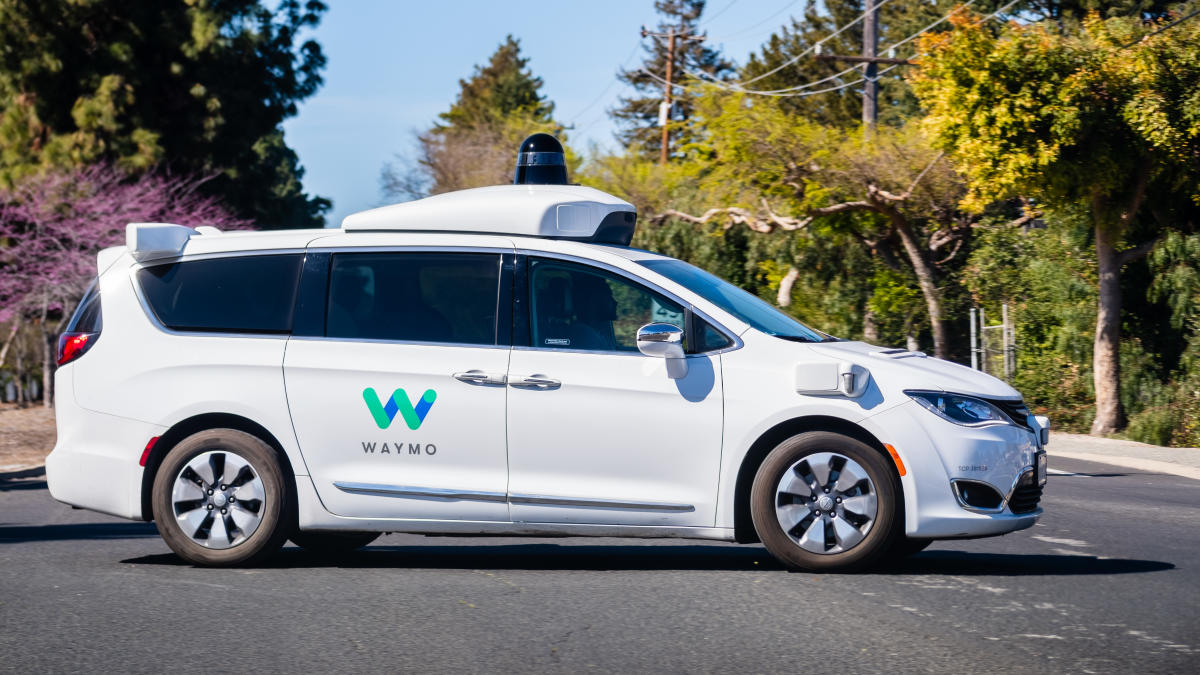
Alphabet’s self-driving division, Waymo, has announced its plans to roll out its fully autonomous ride-hailing service in Washington, D.C. by 2026. The company, which has already expanded its service to several major U.S. cities, aims to introduce its driverless technology to the U.S. capital in the coming year.

Expanding Autonomous Services to Washington, D.C.

Waymo has been progressively moving its self-driving vehicles to Washington, D.C. since January, with more vehicles expected to be deployed over the coming weeks. While the city currently does not allow for fully autonomous vehicles without a human behind the wheel, Waymo intends to work closely with local policymakers to develop the necessary legal framework for the service.

Waymo One, the company’s self-driving ride-hailing service, has already gained significant traction in other cities, including San Francisco, Phoenix, Los Angeles, and Austin, where it provides over 200,000 paid trips weekly. The company plans to expand to Atlanta and Miami next before launching in Washington, D.C.

Regulatory Challenges and Funding

The announcement comes amid growing interest in autonomous vehicle deployment, especially in Washington, D.C., where federal regulators and lawmakers are located. Tech companies, including Waymo, have urged the government to expedite vehicle approvals and establish clearer regulations for autonomous vehicles.

In October 2024, Waymo closed a $5.6 billion funding round led by its parent company, Alphabet, which will help support the expansion of its self-driving services despite ongoing safety concerns raised by regulators.

Safety Concerns and Recalls

Waymo’s autonomous vehicles have faced scrutiny from the National Highway Traffic Safety Administration (NHTSA), which opened an investigation in May 2024 after receiving multiple reports of the company’s robotaxis exhibiting unexpected behavior, including traffic violations and collisions. In response to these incidents, Waymo issued several recalls, including a recall in June 2024 of 672 vehicles after one of its driverless cars hit a utility pole in Phoenix.

Despite these challenges, Waymo claims that based on data from over 50 million rider-only miles (80.5 million kilometers), its vehicles have been involved in 81% fewer injury-causing crashes compared to average human drivers.

Conclusion

Waymo’s plans for the 2026 launch of its autonomous ride-hailing service in Washington, D.C. represent a significant milestone in the development of self-driving technology. While the company faces regulatory hurdles and safety concerns, it continues to push forward with its vision for a future without human drivers.

Big Tech Challenges YouTube’s Exemption from Australia’s Ban on Social Media for Children

Tech giants including Meta Platforms (owner of Facebook and Instagram), Snapchat, and TikTok have voiced strong opposition to Australia’s decision to grant YouTube an exemption from its new law banning social media access for children under the age of 16. The landmark legislation, which was passed by the Australian parliament in November, sets some of the most stringent social media regulations globally. The law requires platforms to prevent minors from logging in to their services or face hefty fines of up to AUD 49.5 million (approximately $31 million or Rs. 269 crore).

Under the current provisions, YouTube stands as the only platform exempt from the age restriction due to its status as an educational tool. The platform is considered essential for learning and is the only service allowed for children through family accounts with parental supervision features. While YouTube maintains that it offers safeguards for young users, such as restricted access to certain content through Family Link, critics argue that the platform still exposes children to the same risks outlined by the government in the new law. These risks include algorithmic content recommendations, social interactions, and potential exposure to harmful or inappropriate material.

Meta has voiced concerns about the YouTube exemption, stating that even children using YouTube under family accounts are still subjected to many of the features that the government’s legislation seeks to control. In a blog post, the company argued that YouTube’s exemption contradicts the reasons for implementing the law in the first place. The tech giant called on the Australian government to apply the law equally across all social media platforms, ensuring that YouTube does not receive preferential treatment in this regard.

TikTok, too, has raised objections to the exemption, calling it “illogical, anticompetitive, and short-sighted.” The company submitted a statement urging the government to maintain consistency in enforcing the law across all platforms. TikTok argued that creating exceptions for specific platforms like YouTube undermines the integrity of the legislation, potentially giving one company an unfair advantage over others in terms of user access and content exposure. As the law’s implementation deadline approaches, the debate over YouTube’s exemption continues to stir tensions within the tech industry.