Yazılar

Nvidia Regains Title as Most Valued Company in June on AI Optimism

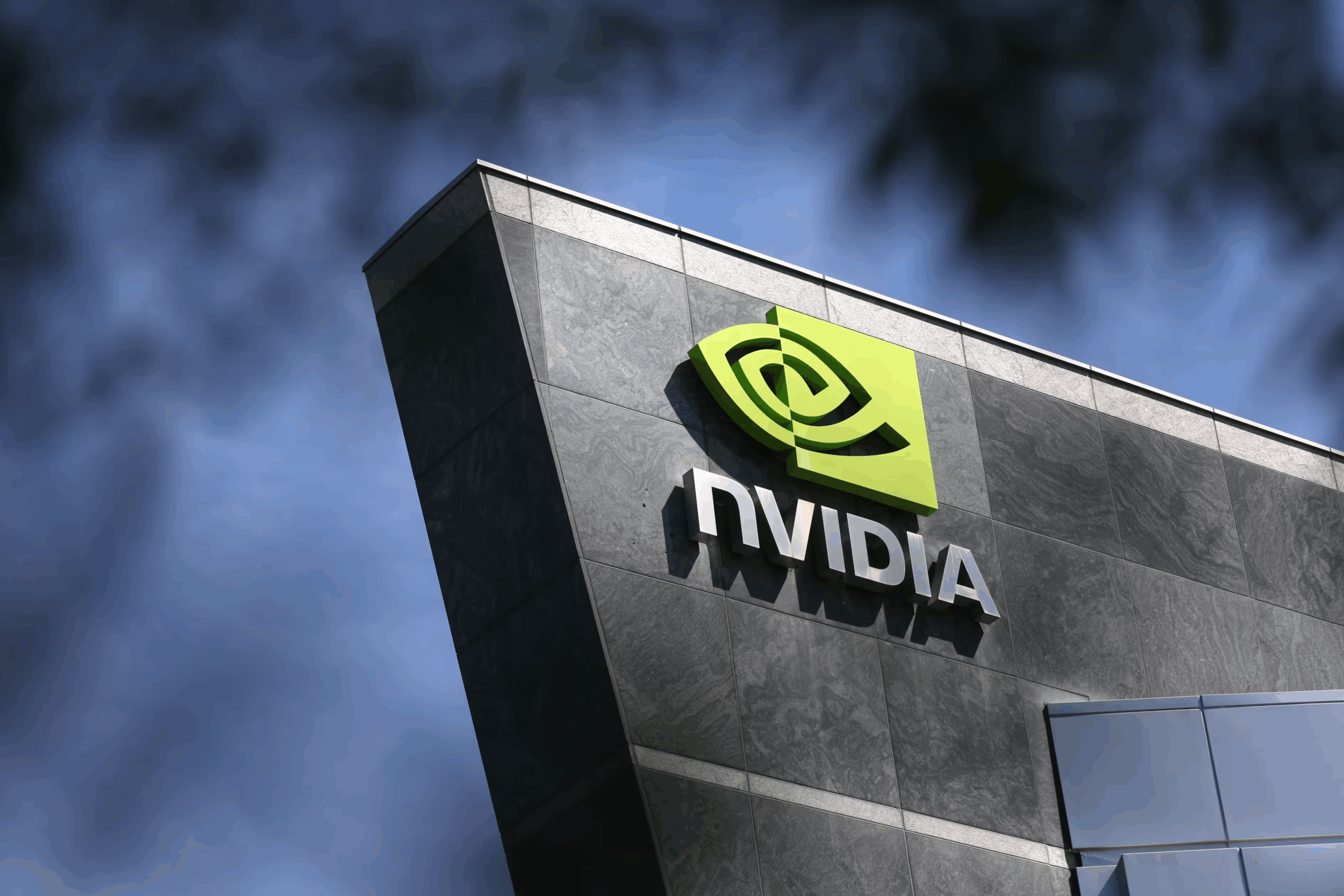
Nvidia reclaimed its position as the world’s most valuable company by market capitalization in June, reaching $3.86 trillion, driven by renewed investor optimism over its AI leadership and rising demand for its AI chips. This valuation was about 4.3% higher than Microsoft’s $3.69 trillion market cap at the end of June.

Despite this, Nvidia’s value remains below Apple’s record high of approximately $3.92 trillion set in December 2024. Apple ranked third with a market capitalization of $3.1 trillion at the end of June.

Other tech giants also saw significant gains: Meta Platforms rose 14% to $1.86 trillion, Broadcom increased 13.9% to $1.3 trillion, and Amazon grew 7% to $2.33 trillion. Meanwhile, Tesla’s market value dropped 8.3% to $1.02 trillion, affected by CEO Elon Musk’s public conflict with former President Donald Trump.

Daniel Ives, an analyst at Wedbush Securities, forecasted that Nvidia and Microsoft would both surpass $4 trillion market caps this summer, with a focus on reaching the $5 trillion mark over the next 18 months, signaling that the tech bull market is still in its early phase, led by the AI revolution.

Judge Rejects Apple’s Bid to Dismiss U.S. Antitrust Lawsuit over iPhone Market Power

Apple must face a U.S. Department of Justice (DOJ) lawsuit accusing it of unlawfully maintaining monopoly power in the U.S. smartphone market, a federal judge ruled on Monday. The decision paves the way for a potentially years-long legal battle over Apple’s business practices.

U.S. District Judge Julien Neals in Newark, New Jersey, denied Apple’s motion to dismiss the case, which centers on how the company allegedly uses technical and contractual restrictions to limit competition. The DOJ, joined by several states and Washington, D.C., argues that Apple has implemented policies that discourage users from switching to rival devices and suppress third-party innovation in areas like apps, smartwatches, messaging, and digital wallets.

An Apple spokesperson responded by saying the company believes the lawsuit is flawed in both fact and law, and vowed to vigorously defend itself in court. The DOJ declined to comment on the ruling.

Apple’s iPhone, the world’s most popular smartphone, generated $201 billion in sales in 2024. The tech giant introduced a new budget iPhone model in February, pricing it $170 higher than the previous version despite added features.

The antitrust case, filed in March 2024, argues that Apple’s practices—including restricting app developer access, imposing high fees, and limiting device interoperability—create unlawful barriers to competition. Apple counters that these policies are necessary for security and innovation, and that being forced to share proprietary technology could undermine its product ecosystem.

This case joins a broader wave of U.S. antitrust actions against major tech companies, spanning both the Biden and Trump administrations. Meta Platforms and Amazon are also facing monopoly lawsuits, while Google-owner Alphabet is battling two separate antitrust cases.

Zoox Opens Robotaxi Factory, Escalating Rivalry with Tesla and Waymo

Amazon-owned Zoox has officially launched its first robotaxi production facility, signaling a major step toward commercializing its autonomous vehicle service and intensifying competition with industry leaders Tesla and Waymo.

Located in Hayward, California, the new 220,000-square-foot factory is capable of assembling over 10,000 robotaxis per year at full capacity. While Zoox has not disclosed its initial production figures, the move reflects its plans to scale significantly as it prepares for public ride launches.

The company is currently testing its fully autonomous, purpose-built robotaxis — uniquely designed vehicles with no steering wheels or pedals — in multiple U.S. cities. It expects to begin commercial operations in Las Vegas later this year, followed by expansion in San Francisco, where it is already operating in the SoMa (South of Market) neighborhood.

“Anticipated public demand and upcoming market entries justify this scale-up in production,” Zoox stated, hinting at more widespread deployments in the coming years.

Zoox’s entry comes at a pivotal moment in the robotaxi race:

  • Waymo, owned by Alphabet, already runs a mature driverless taxi service and is expanding across U.S. cities.

  • Tesla, led by Elon Musk, plans to launch its paid robotaxi service on June 22, using Model Y SUVs with self-driving software, and later a Cybercab—a futuristic, manual-control-free, two-seater vehicle.

Unlike Waymo’s retrofitted models and Tesla’s modified SUVs, Zoox’s vehicles are custom-built from the ground up, resembling compact “toaster ovens” and designed specifically for autonomous operations.

Still, all major players in the space face substantial hurdles. Regulatory constraints, safety concerns, and cost overruns have hampered progress toward full autonomy. Moreover, companies including Zoox, Tesla, and Waymo have been subject to federal investigations and recalls after incidents involving their autonomous systems.

Nevertheless, Zoox’s new production hub marks a bold bet that it can move from limited testing to mass deployment, turning science fiction into a scalable reality.