Yazılar

Amazon’s Zoox to Expand Robotaxi Production Ahead of U.S. Rollout, FT Reports

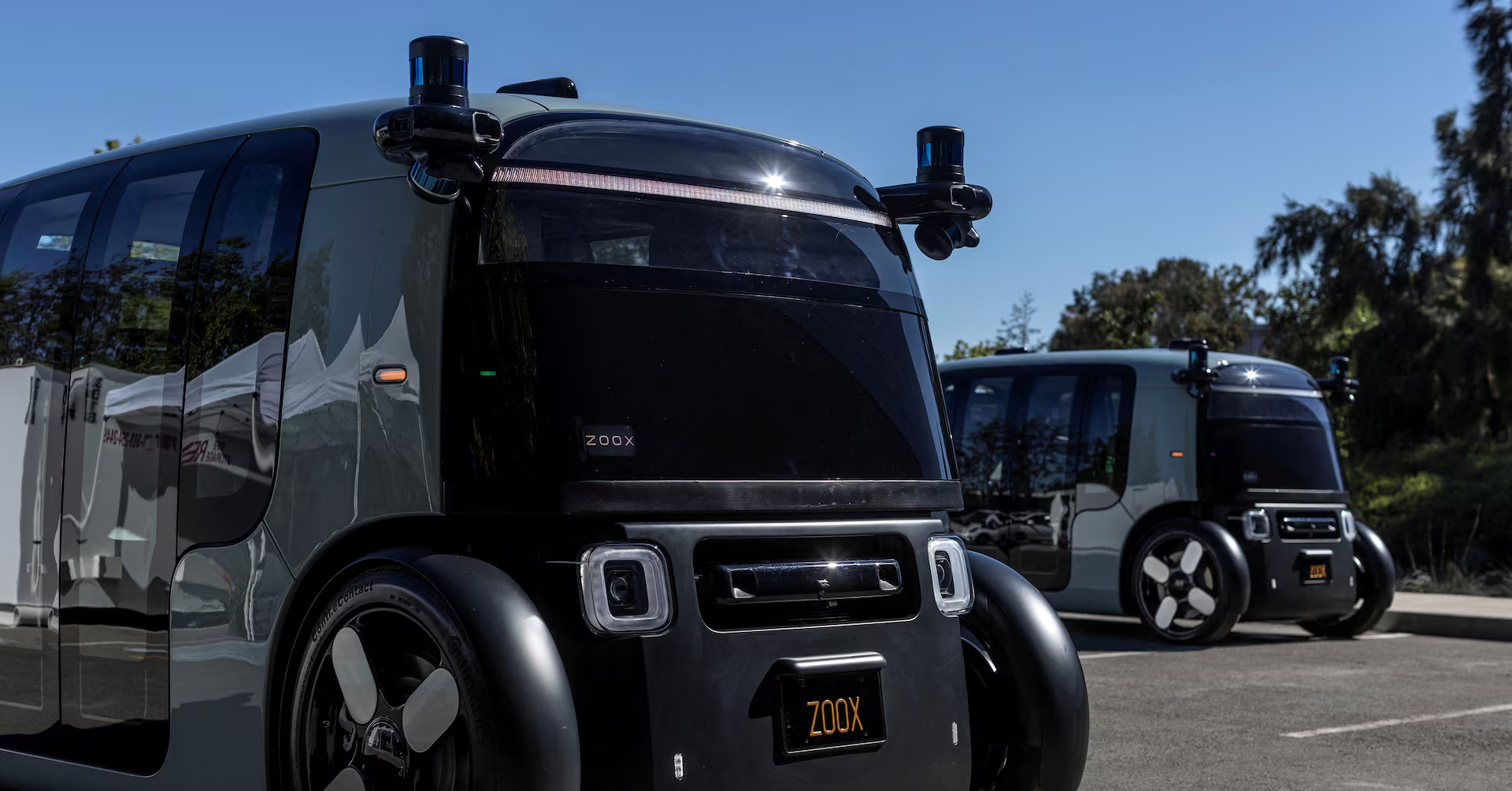
Zoox, the self-driving vehicle subsidiary of Amazon, plans to scale up production in 2025 as it prepares for a broader commercial rollout of its robotaxi fleet across the U.S., according to a report by the Financial Times on Wednesday.

Co-founder Jesse Levinson said the company will open a new facility in California’s Bay Area, significantly expanding beyond its current production site in Fremont. The new location is expected to support Zoox’s goal of producing hundreds—eventually thousands—of custom-built robotaxis.

To date, Zoox has deployed about two dozen purpose-built autonomous vehicles across six U.S. cities. It plans to begin public ride services in Las Vegas this year, with San Francisco to follow.

The expansion comes amid a shift in federal regulatory attitudes toward self-driving technology, as the Trump administration recently signaled plans to ease some vehicle safety regulations and reduce mandatory incident reporting, in an effort to accelerate autonomous vehicle deployment.

Zoox joins a crowded field of competitors in the U.S. robotaxi market, including Tesla, Waymo (owned by Google’s parent Alphabet), and GM’s Cruise. All have faced regulatory scrutiny, with U.S. authorities investigating safety issues related to autonomous driving systems—including vehicles operated by Zoox.
DoorDash to Acquire UK’s Deliveroo in $3.9 Billion Deal Amid Global Delivery Sector Shakeup

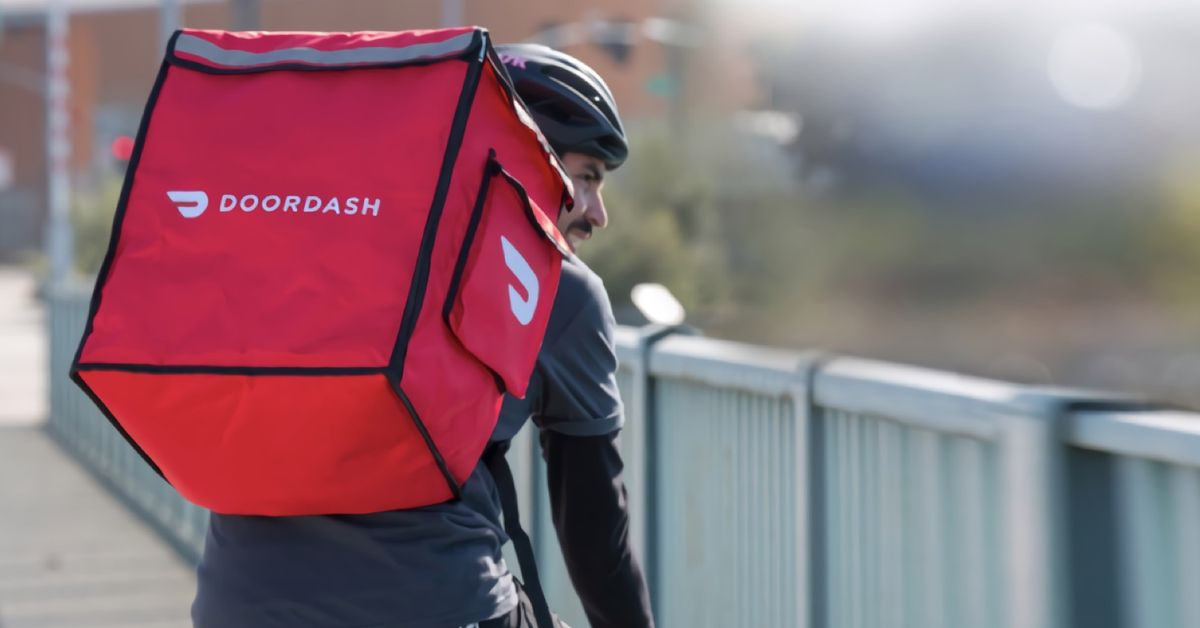
U.S. food delivery giant DoorDash announced on Tuesday that it will acquire British rival Deliveroo in a $3.85 billion (2.9 billion GBP) deal, aiming to expand its footprint in Europe and compete more aggressively against Uber Eats and Just Eat. The move also marks one of the largest consolidation deals in the global meal delivery space.

The deal values Deliveroo at 180 pence per share, a notable discount from its 2021 IPO price of 390 pence, but a premium to recent trading levels. Deliveroo’s shares rose about 2% following the announcement but remained below the offer price.

Deliveroo CEO and co-founder Will Shu acknowledged the valuation gap, saying the IPO occurred in a very different economic and interest rate environment, and emphasized that joining forces with a larger player would better position Deliveroo to succeed in a crowded and competitive market.

Sector Consolidation Accelerates

The deal comes amid a wave of consolidation in the meal delivery industry, which has faced mounting inflation, dampened consumer spending, and scaling difficulties.

  • Also on Tuesday, DoorDash said it would acquire SevenRooms, a hospitality software firm, for $1.2 billion.

  • Meanwhile, Uber announced an $700 million acquisition of Trendyol Go, strengthening its presence in Turkey and the Middle East.

According to the companies, DoorDash and Deliveroo combined processed about $90 billion in orders in 2024, serving a total of 49 million monthly active users. The acquisition will give DoorDash access to Deliveroo’s largest markets, including the UK, Ireland, Italy, France, and the UAE.

DoorDash CEO Tony Xu noted the deal would allow DoorDash to scale investments in Europe and introduce new products, helping it challenge entrenched local players.

Investor Reactions and Deal Conditions

Despite the long-term growth potential, DoorDash shares fell 7%, partly due to a cautious profit forecast and broader investor concerns about consumer demand.

Deliveroo has secured support from shareholders controlling 15.4% of shares, including Shu, Greenoaks, and DST Global. However, the deal requires approval from 75% of Deliveroo’s shareholders to proceed. Analysts flagged the notable absence of Amazon, which holds a 14.38% stake, as a potential wildcard. Amazon has declined to comment, but remains a possible counter-bidder.

DoorDash stated it will not raise its offer unless another bidder emerges.

The acquisition is not expected to face major regulatory challenges, as DoorDash has little to no presence in Deliveroo’s 10 core markets.

Amazon’s Zoox Issues Software Recall After Self-Driving Robotaxi Crash in Las Vegas

Zoox, the self-driving vehicle subsidiary of Amazon, has agreed to recall 270 autonomous vehicles following an April 8 crash in Las Vegas involving one of its unoccupied robotaxis and a passenger car. No injuries were reported, but the incident prompted a temporary suspension of operations and a subsequent software update to correct the issue.

According to Zoox, the crash occurred when the robotaxi misjudged a perpendicular vehicle’s behavior, incorrectly anticipating that the oncoming car would continue moving. Instead, the car stopped and yielded, but the Zoox vehicle had already slowed and shifted right, leading to a collision despite hard braking.

The company identified that the issue arises when its vehicles travel at over 40 mph (64 km/h) and encounter vehicles that slowly encroach from perpendicular driveways. The system’s failure to accurately predict the yielding vehicle’s stop was the root cause of the incident.

Zoox has since rolled out a software fix to prevent similar errors and stated that the vehicle behavior has been addressed. This marks the second recall in recent months: in April, the National Highway Traffic Safety Administration (NHTSA) closed a probe into 258 Zoox vehicles following two rear-end collisions caused by unexpected braking, after Zoox issued a software update.

However, Zoox remains under NHTSA scrutiny. The agency is still investigating the company’s 2022 self-certification of a robotaxi without traditional controls, such as a steering wheel or pedals.

The incident underscores ongoing regulatory and technical hurdles faced by autonomous vehicle developers as they approach broader deployment.