Yazılar

Amazon Set to Launch Premium Tier of AI-Enhanced Alexa Devices

Amazon is taking its Alexa ecosystem to the next level with plans to introduce a premium tier of AI-powered devices, according to Panos Panay, the head of Amazon’s device division. This new range of higher-end gadgets is intended to complement the existing lower- and mid-priced products, offering consumers a broader range of options. The move comes as Amazon looks to reignite interest in its Alexa franchise, which has seen its dominance in the smart home space decline in recent years. By adding premium devices, Amazon hopes to generate renewed excitement and offer more refined experiences for those looking for top-tier smart gadgets.

Panay emphasized that Amazon is not just focusing on making these premium devices more expensive, but also on improving the overall experience with reengineered hardware. From upgraded silicon to more sophisticated design and materials, Amazon plans to ensure that all tiers—whether “entry, core, or signature”—receive the same level of care. The result, he promised, will be better sound quality, enhanced battery life, and advanced security features. In an interview with Bloomberg News, Panay made it clear that Amazon’s goal is perfection in every product, stating, “There won’t be a corner cut. It won’t matter if we tried it before. It won’t matter what you thought it used to be.”

At the heart of these new devices will be Alexa+, Amazon’s upgraded AI operating system. Alexa+ will leverage advanced “edge-processing” chips, which will allow the devices to handle more AI tasks locally, rather than relying on cloud processing. This could lead to faster response times and greater privacy, as less data would need to be sent to Amazon’s servers. By mirroring Apple’s approach with more localized processing, Amazon is setting up Alexa devices to deliver a more seamless and secure user experience.

Ultimately, the goal for this next-generation Alexa ecosystem is to create a more fluid experience as users interact with multiple devices. Panay envisions an interconnected system where each Alexa-powered device works together seamlessly, improving the overall utility and enjoyment for users. With new and exciting devices currently in development, Amazon is positioning itself to lead the next wave of AI-powered home technology.

Brazil Delays Big Tech Tax Amid Trump Tariff Negotiations

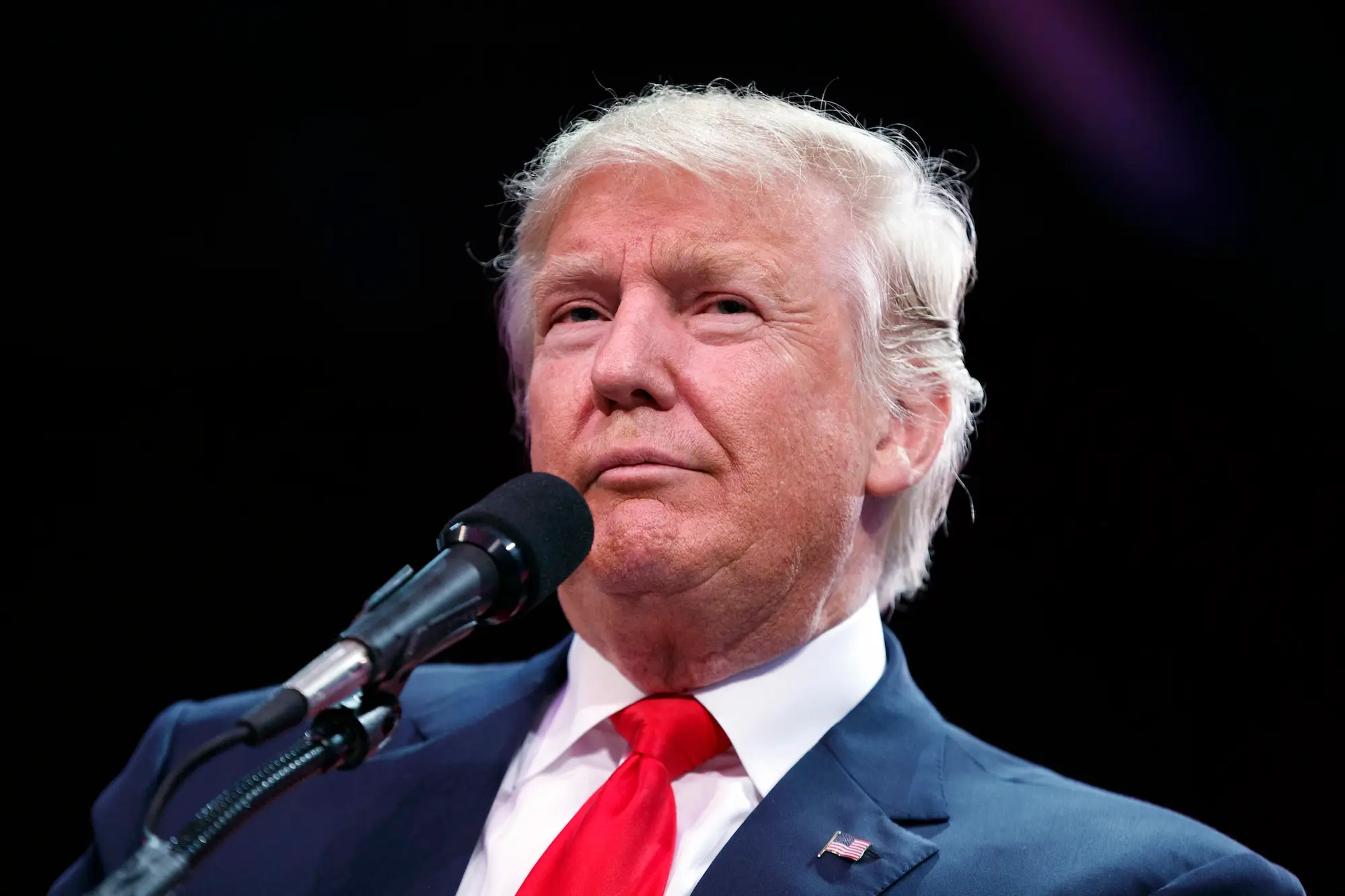
Brazil has decided to delay a proposed tax on major tech firms, citing concerns that such a move could escalate tensions with the United States amid ongoing tariff negotiations under U.S. President Donald Trump’s administration. According to sources familiar with the matter, Brazil’s government will focus on advancing a separate bill to regulate competition among large digital platforms instead.

Government’s Shift in Focus

The proposal to tax U.S.-based tech giants like Amazon, Google, and Meta was initially set to be introduced in the second half of 2024, contingent on the country’s revenue projections. However, Brazilian officials have opted to shelve this plan for the time being, fearing it could worsen trade relations during sensitive talks on tariffs.

A Focus on Competition Over Taxation

Instead of focusing on taxation, the Brazilian government will now prioritize legislation designed to regulate competition within the digital marketplace. The bill, which went to public consultation in January 2024, aims to address issues like “killer acquisitions” and anti-competitive practices by tech firms, such as the manipulation of search results to favor their own services. This approach is seen as a less confrontational alternative that focuses on market fairness rather than taxation.

Concerns Over Timing and U.S. Tariffs

Sources revealed that the Brazilian government is cautious about the timing of any tax proposals, especially given the uncertainties surrounding Trump’s upcoming tariff actions. In a move that could complicate negotiations, introducing a tax targeting prominent U.S. companies could exacerbate tensions, particularly with Trump’s plan to sharply raise U.S. tariffs on April 2, 2025. The U.S. president has threatened to increase tariffs to match those of other countries, which could strain relations further.

On Monday, Trump indicated that not all of the proposed tariff increases would go into effect on April 2, with some countries potentially receiving exemptions. His remarks were seen as a sign of flexibility, calming market concerns that had been building due to the uncertainty surrounding the trade talks.

Brazil’s Broader Trade Negotiations

In addition to tariff talks, Brazil is pushing for an integrated negotiation process with Washington, particularly regarding sugar and ethanol exports. Brazilian Finance Minister Fernando Haddad emphasized that these talks would likely be lengthy, as Brazil aims to secure favorable terms on its key agricultural products while navigating the complexities of the broader trade relationship with the U.S.

India to Scrap 6% Digital Ad Tax, Easing U.S. Trade Tensions

India has decided to remove the 6% digital advertising tax, known as the equalization levy, easing concerns for U.S. tech giants like Google, Meta, and Amazon. The finance minister’s announcement on Tuesday comes in response to trade concerns raised by the U.S., particularly after President Trump threatened reciprocal tariffs from April 2.

The change will take effect from April 1, as part of amendments to the 2025 Finance Bill, which were approved by the Indian parliament. The 6% levy targeted online advertising services provided by foreign companies, requiring them to withhold and remit taxes to the Indian government. The U.S. Trade Representative (USTR) had criticized this tax as discriminatory, noting that domestic companies were exempt from it.

The decision follows a trade agreement made during Prime Minister Narendra Modi’s visit to the U.S. last month, aiming for $500 billion in two-way trade by 2030. India previously abolished a 2% levy on non-resident e-commerce firms for online services in 2024.

This move is seen as an effort by India to ease trade tensions with the U.S., signaling a possible shift in diplomatic relations, although analysts remain cautious about whether it will lead to a softening of the U.S. stance.