Yazılar

EU Defends Digital Markets Act, Insists It’s Not Targeting U.S. Tech Giants

European Union officials have rejected accusations that their new Digital Markets Act (DMA) is aimed at U.S. tech giants. In a joint letter to U.S. congressmen Jim Jordan and Scott Fitzgerald, EU antitrust chief Teresa Ribera and EU tech chief Henna Virkkunnen emphasized that the DMA is designed to keep digital markets open and applies to all companies meeting the criteria for being considered “gatekeepers,” regardless of their headquarters.

Ribera and Virkkunnen responded to concerns raised by U.S. lawmakers about the potential impact of the DMA on U.S. firms. The letter, dated March 6, clarified that the law does not specifically target U.S. companies, but instead applies to any firm that fits the established gatekeeper definition in the EU.

The EU officials also defended the DMA against criticism that it could stifle innovation. They argued that the act aims to prevent unfair practices by dominant players, thus fostering a more open and competitive digital market that will allow new players to emerge and innovate. Ribera and Virkkunnen highlighted that similar concerns over monopolistic behavior had prompted antitrust investigations and legal actions against companies like Google, Amazon, Apple, and Meta in the U.S. under the Trump administration and beyond.

In response to claims that EU fines on American tech firms resemble a European tax, the EU officials emphasized that the primary goal of enforcement is to ensure compliance with the law, not to impose punitive measures. They pointed out that sanctions, which are a standard feature of both EU and U.S. regulations, are essential for ensuring effective enforcement.

U.S. Labor Department Investigates Scale AI for Fair Labor Practices

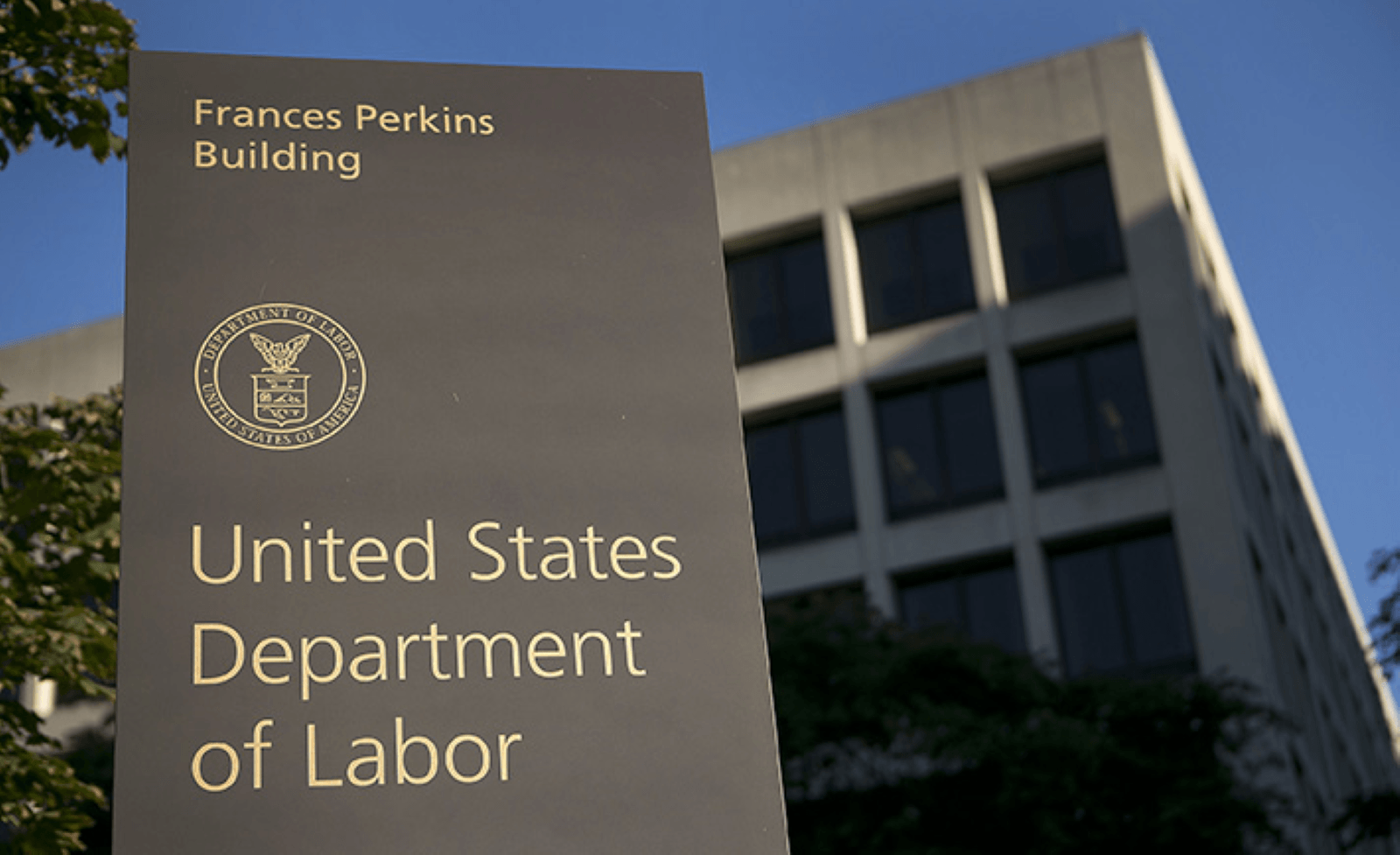
The U.S. Department of Labor is investigating Scale AI, a data labeling startup backed by major tech companies including Nvidia, Amazon, and Meta, for potential violations of the Fair Labor Standards Act. The investigation, which began nearly a year ago under the Biden administration, is focused on Scale AI’s compliance with fair pay practices and working conditions.

Scale AI, based in California, provides large volumes of accurately labeled data crucial for training AI tools such as OpenAI’s ChatGPT. The company also offers a platform for researchers to share AI-related information, with contributors from over 9,000 cities and towns.

A spokesperson for Scale AI emphasized that the company has worked closely with the Labor Department over the past year, explaining its business model and the emerging nature of the AI industry. The startup assured that feedback from its contributors has been largely positive, and it has dedicated teams to ensure fair compensation and support for workers. Nearly all payments to contributors are made on time, and the company resolves 90% of payment-related inquiries within three days.

Scale AI, which was founded in 2016, was valued at $14 billion in a recent funding round. Its client base includes AI firms like OpenAI and Cohere, as well as major corporations such as Microsoft and Morgan Stanley.

Zalando Challenges EU Tech Regulations, Argues It Shouldn’t Be Classified as a Very Large Online Platform

Zalando, Europe’s largest online fashion retailer, has criticized EU regulators for classifying it alongside major platforms like Amazon and AliExpress under the bloc’s Digital Services Act (DSA). The company argues that its business model is fundamentally different, and thus it should not be subject to the same stringent provisions that apply to the other two tech giants.

The DSA, which came into force in 2022, imposes more responsibilities on very large online platforms (VLOPs) to combat illegal and harmful content, with fines of up to 6% of their global annual revenue for non-compliance. Zalando’s lawyer, Robert Briske, told the General Court that the European Commission had failed to properly recognize the differences between Zalando and companies like Amazon, AliExpress, and booking.com. He emphasized that Zalando operates a hybrid business model, combining both direct retail and a marketplace for third-party sellers, which sets it apart from purely online shops or marketplaces.

Zalando contends that the Commission’s designation of its active users as 83 million is inaccurate. The company argues that only 30.8 million of those visitors qualify as active users in 2023, the year it was classified as a VLOP. Briske stated that this miscalculation was another key issue in the case.

In response, EU Commission lawyer Liane Wildpanner defended the classification, asserting that Zalando’s model is similar to that of Amazon and AliExpress, both of which also offer hybrid services. Wildpanner argued that Zalando was attempting to “have the best of both worlds” by challenging its VLOP designation.

Zalando has garnered support from Germany’s e-commerce association, BEVH, while the European Information Society Institute, the European Parliament, and the Council of the European Union have sided with the Commission. The General Court is expected to issue its ruling in the coming months. Amazon, too, has challenged the Commission’s VLOP designation and is awaiting a hearing date.