Yazılar

Zalando Challenges EU Tech Regulations, Argues It Shouldn’t Be Classified as a Very Large Online Platform

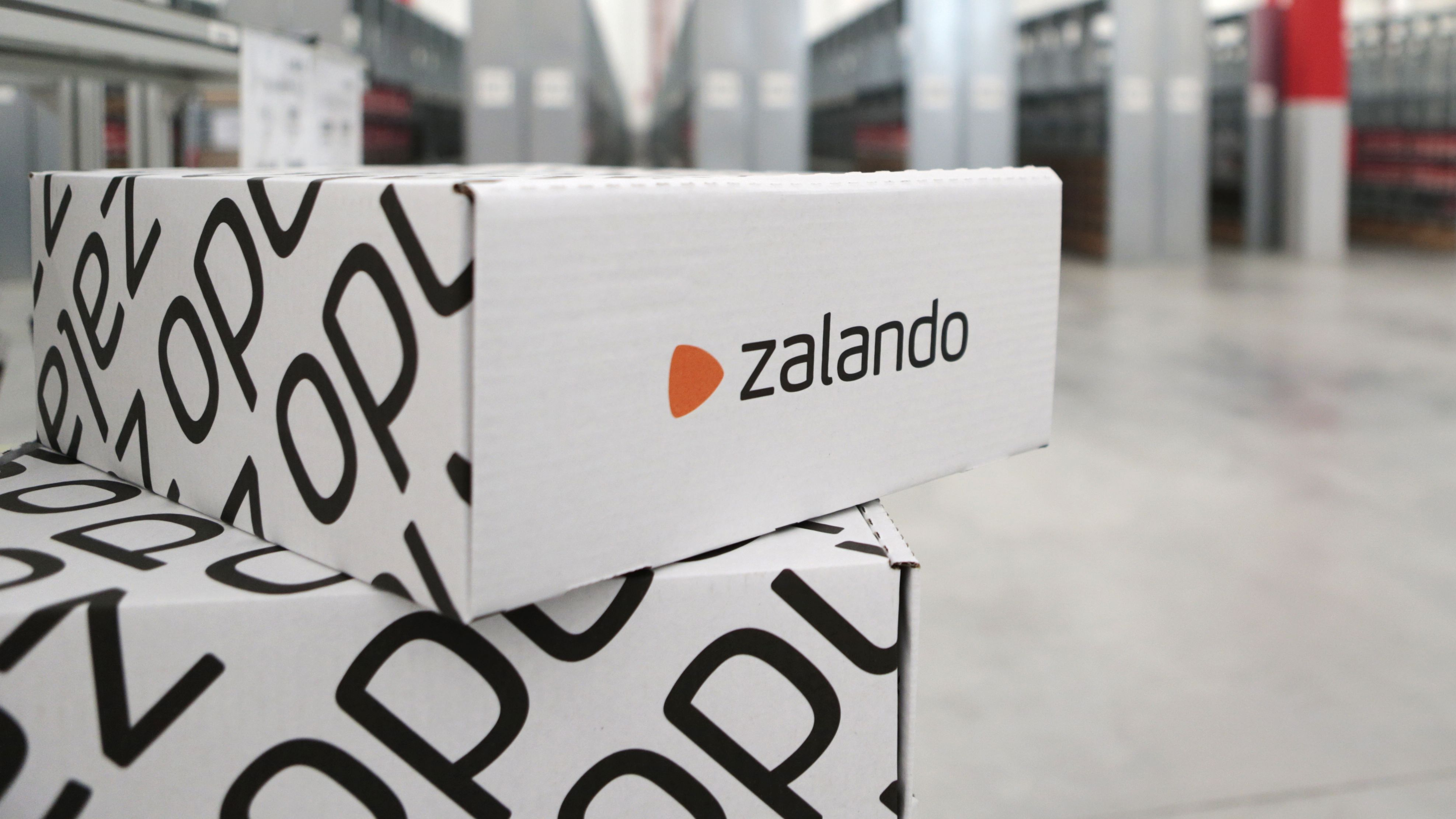
Zalando, Europe’s largest online fashion retailer, has criticized EU regulators for classifying it alongside major platforms like Amazon and AliExpress under the bloc’s Digital Services Act (DSA). The company argues that its business model is fundamentally different, and thus it should not be subject to the same stringent provisions that apply to the other two tech giants.

The DSA, which came into force in 2022, imposes more responsibilities on very large online platforms (VLOPs) to combat illegal and harmful content, with fines of up to 6% of their global annual revenue for non-compliance. Zalando’s lawyer, Robert Briske, told the General Court that the European Commission had failed to properly recognize the differences between Zalando and companies like Amazon, AliExpress, and booking.com. He emphasized that Zalando operates a hybrid business model, combining both direct retail and a marketplace for third-party sellers, which sets it apart from purely online shops or marketplaces.

Zalando contends that the Commission’s designation of its active users as 83 million is inaccurate. The company argues that only 30.8 million of those visitors qualify as active users in 2023, the year it was classified as a VLOP. Briske stated that this miscalculation was another key issue in the case.

In response, EU Commission lawyer Liane Wildpanner defended the classification, asserting that Zalando’s model is similar to that of Amazon and AliExpress, both of which also offer hybrid services. Wildpanner argued that Zalando was attempting to “have the best of both worlds” by challenging its VLOP designation.

Zalando has garnered support from Germany’s e-commerce association, BEVH, while the European Information Society Institute, the European Parliament, and the Council of the European Union have sided with the Commission. The General Court is expected to issue its ruling in the coming months. Amazon, too, has challenged the Commission’s VLOP designation and is awaiting a hearing date.


Amazon Prime Video Tests AI-Based Dubbing to Expand Global Reach

Amazon Prime Video has launched a trial of AI-assisted dubbing for licensed movies and series, starting with English and Spanish language options. The service, which began on Wednesday, is designed to boost viewership and make content more accessible to a global audience. Initially, the feature will be available on 12 licensed titles that did not already have dubbing support.

With over 200 million customers worldwide, Prime Video is incorporating artificial intelligence to enhance the viewer experience. This is part of a broader trend where media companies, such as Disney’s ESPN network, are exploring AI technologies to improve content personalization and engagement. Disney, for example, is looking into using AI to tailor its “SportsCenter” recap show for younger viewers.

Marvell Technology Forecasts In-Line Q1 Revenue, Shares Drop 15%

Marvell Technology (MRVL.O) predicted first-quarter revenue in line with Wall Street’s expectations, but its shares fell sharply by 15% in after-hours trading. Investors were underwhelmed by the forecast, as they had hoped for more substantial growth driven by the surging demand for artificial intelligence (AI) chips.

The AI chip market has seen booming demand, particularly for sector-leader Nvidia’s (NVDA.O) AI processors. Major tech companies like Microsoft (MSFT.O), Meta Platforms (META.O), and Amazon.com (AMZN.O) have been working to reduce their reliance on Nvidia by developing their own AI chips, a trend that has benefited companies like Marvell and Broadcom (AVGO.O).

“The earnings print was generally OK, but I believe investors were expecting more given all the bullish data points in the overall AI space and the ramp of custom ASICs (AI chips) with certain hyperscalers,” said Tore Svanberg, an analyst at Stifel Nicolaus and Co.

Marvell’s data center segment performed well, with revenue up 78% year-over-year to $1.37 billion in the fourth quarter, driven by increased demand for custom AI chips as businesses work to optimize their AI workloads. In December, the company also signed a five-year chip deal with Amazon that includes custom AI chips.

“We’re engaged, we expect revenue to grow, but obviously, it’s like anything, you’ve got to show you can do it, and you’ve got to show it consistently,” Marvell COO Chris Koopmans said, emphasizing the “sticky” nature of the Amazon deal.

Marvell has pledged to focus its investments on data centers, seeing them as the best way to capitalize on the AI boom. Data center revenues accounted for 75% of its total revenue in the most recent quarter. However, Koopmans added that Marvell had not yet experienced any impact from tariffs affecting its data center business.

Despite posting solid results, Marvell’s shares dropped to $77.65 in after-hours trading, following a year-to-date increase of over 83%. In contrast, its larger competitor Broadcom saw a stock jump of around 107%. Analysts pointed to concerns over geopolitical pressures, AI monetization, and the magnitude of Marvell’s earnings beat as factors contributing to the decline.

Marvell forecast first-quarter revenue of $1.88 billion, slightly above analysts’ expectations of $1.87 billion.