Yazılar

Computex 2024 to Spotlight AI Innovations, Nvidia’s Jensen Huang Takes Center Stage

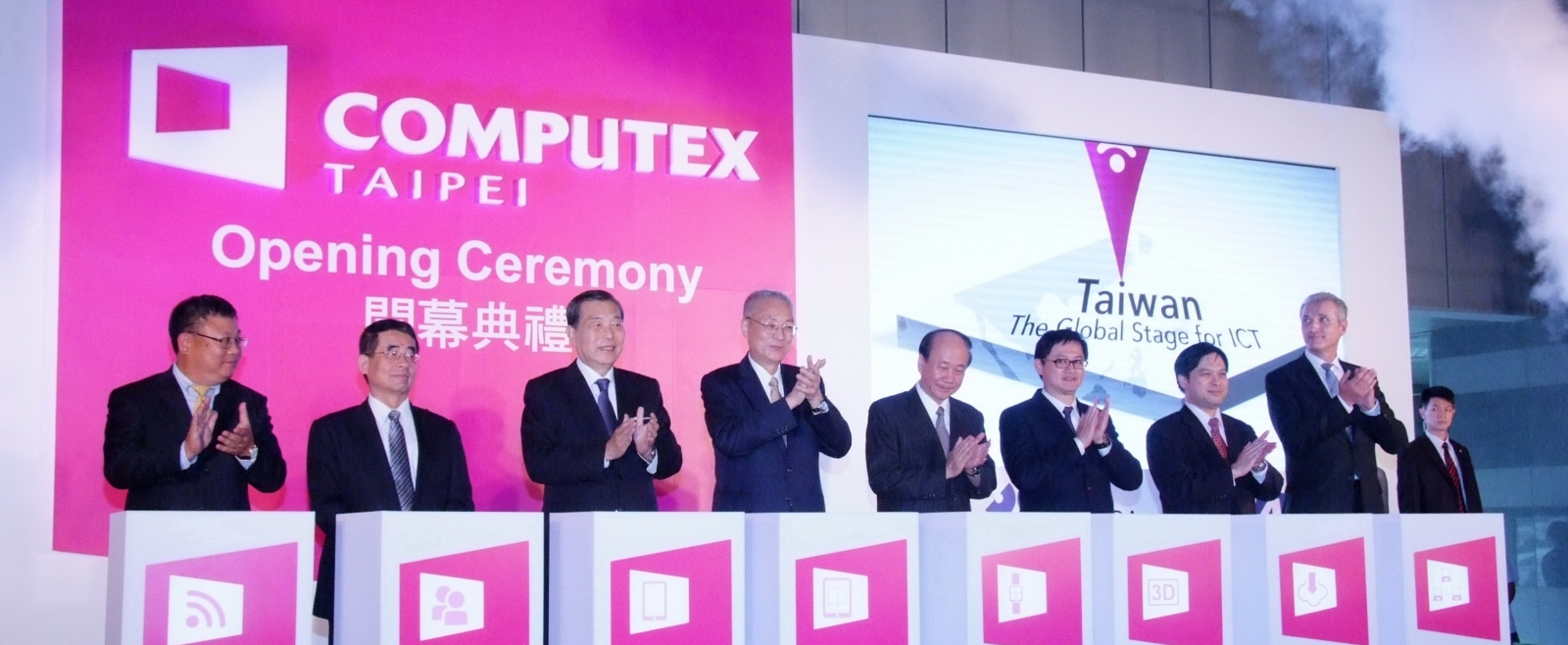
Taiwan’s Computex trade show, set for May 20–23, will once again shine a spotlight on artificial intelligence, with Nvidia CEO Jensen Huang expected to headline the event. With 1,400 exhibitors lined up, this year’s focus extends beyond AI-powered devices to global economic shifts and the geopolitical implications of U.S. tariffs.

Huang, known for sparking “Jensanity” at last year’s event, will deliver the keynote speech Monday. He’s anticipated to announce expanded partnerships with leading Taiwanese AI server manufacturers like Foxconn and Quanta. Analysts believe Huang may also reference recent U.S. policy changes, including trade tariffs and the ongoing effort to reduce supply chain dependence on China.

Obviously, Nvidia relies a lot on the Taiwanese ecosystem to deliver,” said Ian Cutress, chief analyst at More Than Moore. Nvidia recently pledged to produce $500 billion worth of AI servers in the U.S. over the next four years, in collaboration with TSMC, Foxconn, and Wistron.

Other tech giants will also make major appearances:

  • Qualcomm will present developments in AI PCs.

  • MediaTek is set to unveil its strategy for edge and cloud AI.

  • AMD will showcase advancements in gaming and AI-powered personal computing.

  • Intel’s new CEO, Lip-Bu Tan, while skipping a public speech, will meet privately with key Taiwanese partners.

  • Advantech, a leader in industrial computing, returns after a decade to reveal new AI systems for business applications.

The event arrives amid concerns over tightened export controls on advanced AI chips to China and heightened pressure from the U.S. to relocate manufacturing stateside. These dynamics have shifted the industry’s focus from traditional B2C electronics to enterprise-level AI and industrial innovation.

Taiwan has also changed,” said Advantech Chairman K.C. Liu. “The industry has shifted toward AI. It’s no longer enough to focus solely on consumer goods.”

Computex 2024 is expected to serve not only as a showcase for the latest AI breakthroughs but also as a barometer of how companies are navigating complex global supply chains and political risks in the tech sector.

AI Leaders Urge U.S. to Boost Exports and Infrastructure to Stay Ahead of China

Top executives from OpenAI, Microsoft, and AMD warned U.S. lawmakers on Thursday that the country risks losing its lead in artificial intelligence to China unless it expands infrastructure, loosens AI chip export restrictions, and strengthens workforce training. Their testimony before the U.S. Senate Commerce Committee, chaired by Senator Ted Cruz, emphasized the urgent need for pro-growth AI policies to counter China’s rapid advancements.

The call to action follows China’s DeepSeek AI breakthrough last year and Huawei’s rollout of advanced AI chips, both of which have shaken Washington’s confidence in maintaining AI dominance.

The number-one factor that will define whether the U.S. or China wins this race is whose technology is most broadly adopted in the rest of the world,” said Brad Smith, President of Microsoft. He added that Microsoft has banned internal use of DeepSeek due to data privacy and propaganda concerns.
The lesson from Huawei and 5G is that whoever gets there first will be difficult to supplant.”

Key Takeaways from the Senate Hearing:

  • OpenAI CEO Sam Altman emphasized the need for massive infrastructure investment, including data centers and power generation, to fuel AI’s growth.

  • AMD CEO Lisa Su highlighted the importance of maintaining competitiveness in AI chip design while also ensuring export flexibility.

  • Smith called for broader AI education, R&D funding, and skilled labor development, including more electricians for AI facilities.

The tech industry is pushing back against Biden-era AI export rules that aimed to limit China’s access to powerful AI chips. In response, the Trump administration is preparing to rescind those curbs and replace them with a new framework — a move praised by Cruz, Altman, and Su during the session.

The Biden administration’s misguided midnight AI diffusion rule on chips and model weights would have crippled American tech companies’ ability to sell AI to the world,” Cruz said.

China’s DeepSeek, based in Hangzhou, made waves by launching a powerful, cost-effective AI model competitive with OpenAI and Meta — a move that intensified pressure on U.S. lawmakers to act quickly.

Meanwhile, Huawei is preparing to mass-ship advanced AI chips to Chinese customers despite ongoing U.S. trade restrictions.

With national security, economic leadership, and technological supremacy at stake, AI executives stressed that global market penetrationnot just technical capability—will determine who wins the AI race.