Yazılar

Intel Faces Investor Scrutiny Amid CEO Search and Declining Revenue

Key Highlights:

  • Intel is under intense investor scrutiny as it prepares to report its quarterly results, expected to show a 10.4% drop in revenue, primarily due to weak PC sales and shrinking market share in the datacenter sector.
  • The chipmaker recently ousted CEO Pat Gelsinger and appointed two interim co-CEOs, Michelle Johnston Holthaus and David Zinsner, raising questions about its future strategy, especially regarding its contract chip manufacturing business.
  • Intel plans to make its foundry business an independent unit and may consider spinning it off if its 18A chipmaking technology doesn’t succeed.
  • Intel’s market cap is currently around $85 billion, but analysts suggest it should be valued closer to $120 billion, highlighting concerns over its manufacturing lead and lack of progress in the AI boom, dominated by rivals like Nvidia.

Financial Outlook and Challenges:

  • Revenue is projected to fall 10.4% to $13.81 billion in Intel’s fourth-quarter earnings, with a 9 percentage point drop in gross margin to 39.4%.
  • Datacenter revenue, which includes Intel’s server chips, is forecast to decline by more than 15% for the 11th consecutive quarter. This is largely due to the shift by major cloud providers, such as Microsoft, toward AI chips and away from Intel’s traditional server processors.
  • Intel’s personal computer revenue, its largest segment, is expected to fall by 11% as PC sales remain subdued. Rival AMD continues to gain market share, especially in the x86 CPU market.
  • The company is also facing margin pressures, with its Gaudi AI chips, a lower-cost alternative to Nvidia’s expensive processors, failing to meet sales targets.

Strategic Challenges:

  • Intel has been grappling with the high costs of catching up with TSMC in chip manufacturing and is struggling to regain its lead in both the server and personal computer markets.
  • Despite these challenges, analysts note that Intel’s strategic importance to U.S. chip manufacturing remains high, with government support likely to continue.
  • The company’s focus on returning to growth has sparked discussions about the need for a new CEO to lead its recovery efforts and revitalize its position in the semiconductor industry.

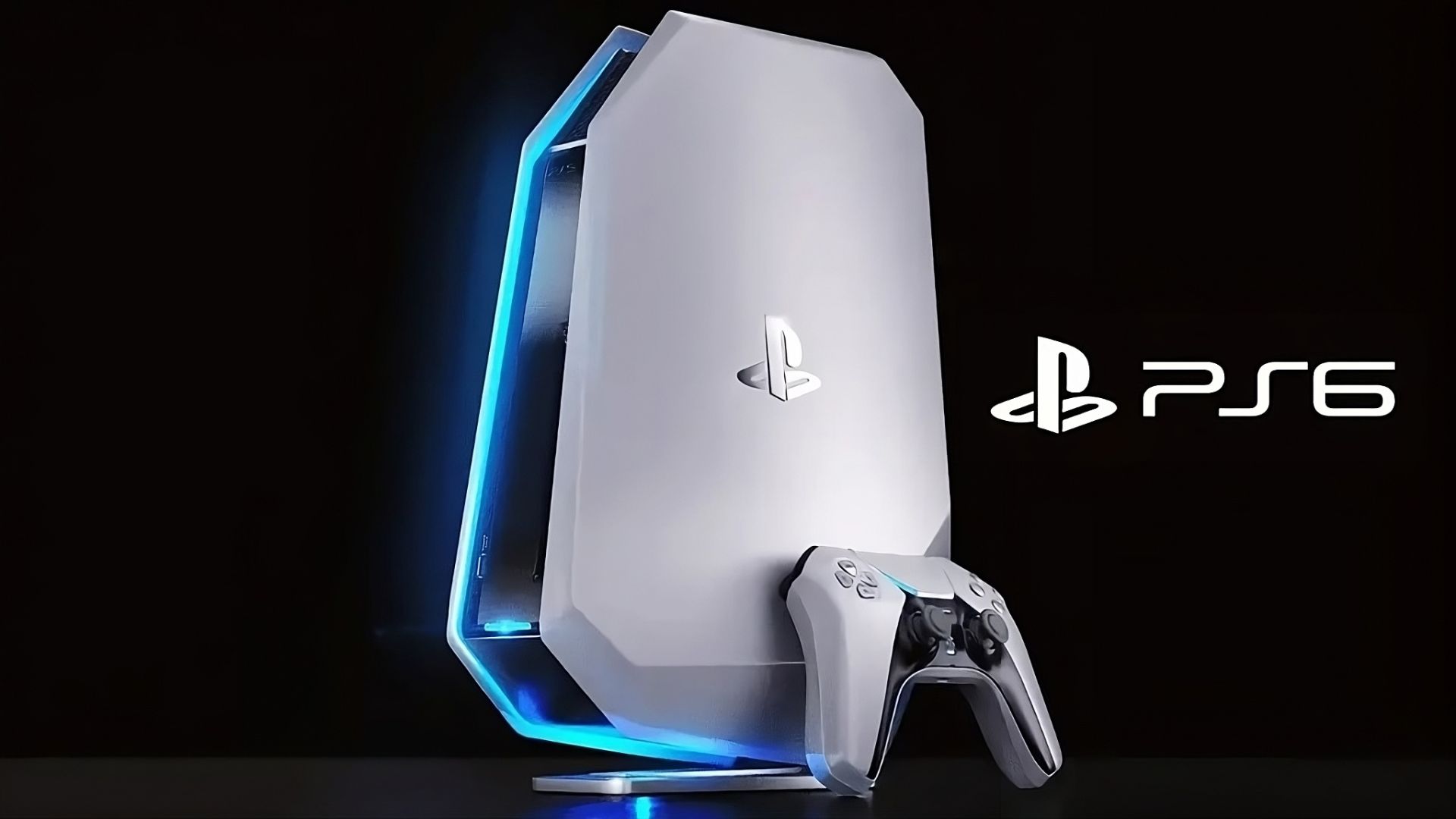
PS6 Rumored to Launch in 2027 with Chip Design Reportedly Finalized

Sony is reportedly making significant progress on the development of its next-generation gaming console, the PlayStation 6 (PS6). While earlier court documents from Microsoft’s trial with the US Federal Trade Commission (FTC) suggested that both the next Xbox and PS6 would likely debut around 2028, new information hints at an accelerated timeline for Sony. According to recent leaks, the design of the chip that will power the PS6 has already been completed, and Sony could begin producing the system-on-chip (SoC) for testing as early as late 2025. This development suggests that the PS6 could potentially hit the market in 2027, a year earlier than previously anticipated.

The news comes from KeplerL2, a well-known leaker in the gaming community who has accurately revealed details about PlayStation hardware in the past, including specs for the PS5 Pro before its official announcement. In a series of posts on the gaming forum NeoGAF, KeplerL2 claimed that Sony’s work on the PS6’s SoC has reached the design completion phase. They further noted that pre-silicon validation is already underway, with the A0 tapeout—the first physical iteration of the chip—scheduled for later this year. This milestone is a critical step in hardware development, indicating that Sony is moving swiftly through the initial stages of production.

The completion of the PS6’s chip design points to Sony’s ambition to maintain its competitive edge in the console market. If chip production for testing starts in late 2025, it allows ample time for refinement, performance evaluations, and debugging before mass production begins. This timeline aligns with the typical development cycle for new gaming consoles, where companies finalize hardware designs years before an official release. It also suggests that Sony is keen on avoiding supply chain issues that impacted the PS5’s early availability, potentially ensuring a smoother launch for the PS6.

While official details from Sony remain scarce, this leak has generated considerable excitement within the gaming community. If the PS6 does launch in 2027, it would mark a seven-year gap since the PS5’s release in 2020, consistent with Sony’s previous console generation timelines. As anticipation builds, gamers are eager to see what innovations the PS6 will bring, particularly regarding performance upgrades, immersive experiences, and advanced technologies that could redefine next-gen gaming. Until Sony provides official confirmation, these details remain speculative but offer an intriguing glimpse into the future of PlayStation.

AMD Unveils Ryzen 9950X3D, 9900X3D, Ryzen Z2, Ryzen 9000 Mobile, and Ryzen AI Series CPUs at CES 2025

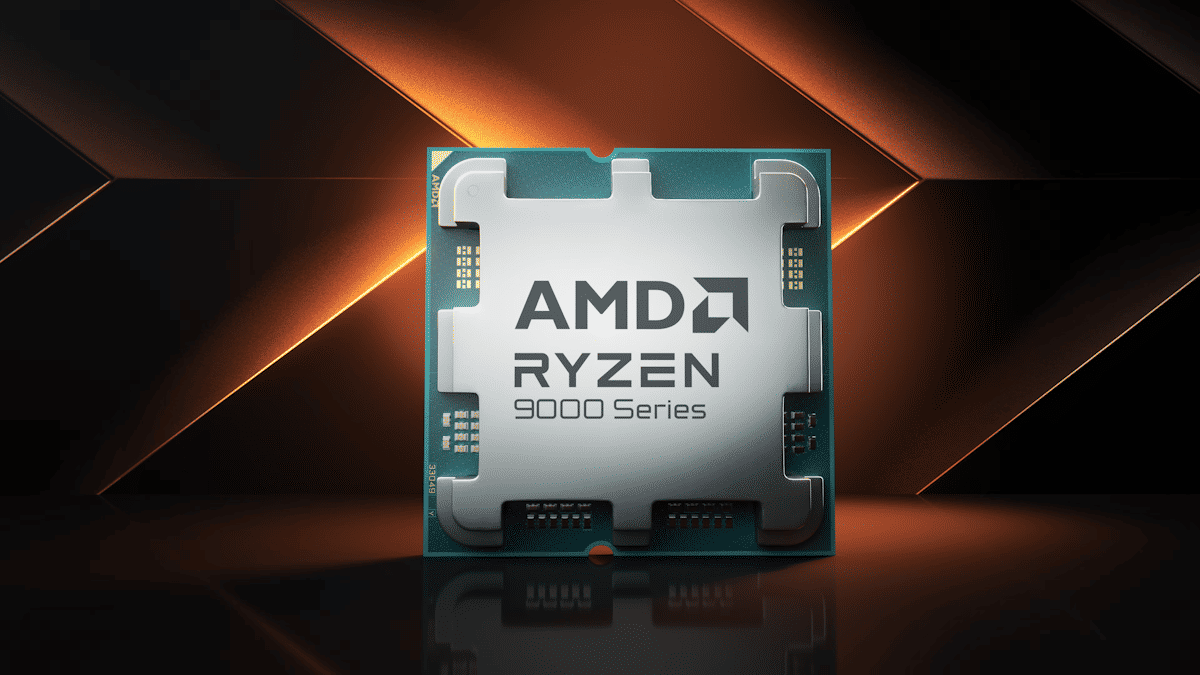
At CES 2025, Advanced Micro Devices (AMD) unveiled an impressive lineup of new Ryzen-branded processors designed to cater to gaming enthusiasts, content creators, and the growing demand for powerful AI-driven PCs. Among the most notable announcements were the Ryzen 9900X3D and 9950X3D series desktop processors, which target gamers and content creators looking for peak performance. These high-performance CPUs are designed to offer cutting-edge gaming experiences, both for desktop and mobile platforms, and come with significant advancements to push the boundaries of gaming hardware. In addition to the Ryzen X3D series, AMD introduced the Ryzen Z2 lineup, which is focused on enhancing mobile and handheld gaming.

The Ryzen 9900X3D and 9950X3D desktop processors stand out due to their innovative design and architecture. The 9950X3D, in particular, features a 16-core design, making it an ideal choice for power users and professionals who demand high levels of multitasking and computational performance. This processor is built with AMD’s second-generation 3D V-Cache technology, which significantly enhances performance by positioning the cache memory beneath the core complex die (CCD). AMD claims that this configuration allows the 9950X3D to achieve higher clock speeds and deliver better thermal efficiency, making it a powerful choice for content creation, gaming, and intensive applications.

Alongside its gaming processors, AMD also introduced a range of new products aimed at revolutionizing the AI PC market. The Ryzen AI Max, Ryzen AI 300, and Ryzen 200 series processors are designed to bring powerful AI computing capabilities to thin and light notebooks. These processors are expected to improve the performance of AI-driven tasks, such as machine learning, natural language processing, and other advanced computational applications, all while maintaining energy efficiency. AMD’s focus on AI is a clear signal of the company’s commitment to expanding its footprint in the rapidly growing AI and machine learning space.

With this latest expansion of its processor lineup, AMD is positioning itself as a leader in both the gaming and AI markets. The new Ryzen processors offer unprecedented levels of power and versatility, whether you’re building a high-end gaming rig, looking to upgrade your mobile gaming experience, or developing AI-powered applications. The introduction of these new products at CES 2025 highlights AMD’s continued innovation and its ability to address the diverse needs of modern computing, from gaming to professional content creation to artificial intelligence.