Yazılar

New 3D Scans Reveal Details of Shackleton’s Endurance Shipwreck Discovery

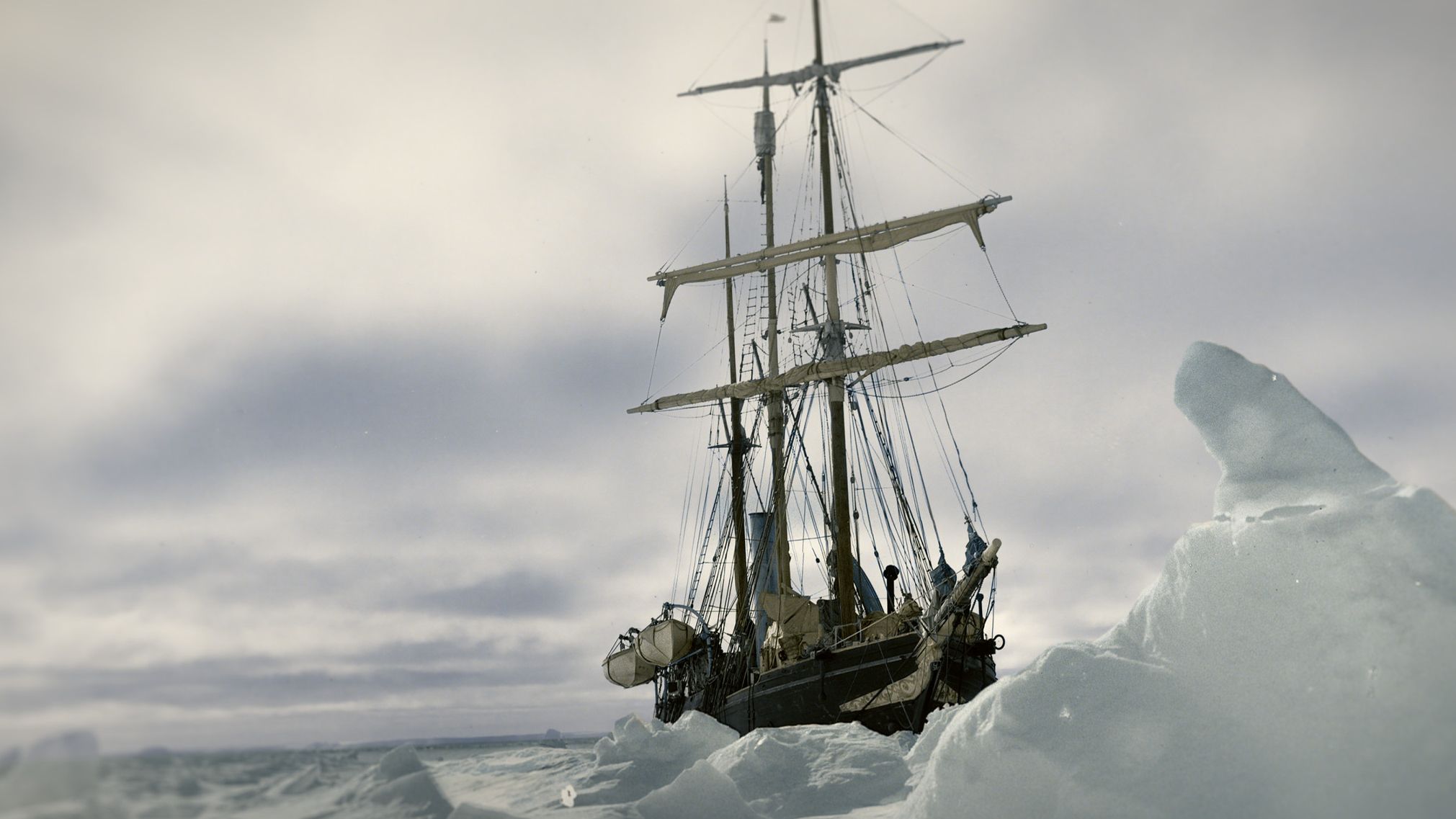
The story of Sir Ernest Shackleton’s ill-fated 1914 Antarctic expedition has captivated audiences for more than a century, and now, new technological advancements are offering a fresh perspective on the wreck of the Endurance. Discovered in 2022 beneath the icy waters of the Weddell Sea, the ship, which sank after being trapped by pack ice, has been documented with unprecedented clarity. Thanks to detailed 3D scans and underwater imaging, researchers have been able to uncover the shipwreck’s remarkable state of preservation, revealing striking details of the 144-foot vessel that lay hidden in the Antarctic depths for over a century.

The scans, conducted by the Falklands Maritime Heritage Trust, have provided a comprehensive look at the ship’s structure and its contents. These detailed images are shedding light on the final moments of the Endurance and its crew, capturing the ship in its almost pristine condition despite being submerged in the harsh conditions of the polar region. The scans are invaluable in helping researchers understand not only the fate of the ship but also the conditions faced by Shackleton’s team during their legendary survival story.

One of the most surprising discoveries is the remarkable preservation of artifacts on the ship’s upper deck. While some parts of the mast and railings have understandably decayed over time, much of the deck has remained intact. Items left by Shackleton’s crew, such as dishes, ropes, and even a single boot, are scattered across the ship, offering a poignant glimpse into the daily lives of the men who braved the Antarctic’s unforgiving climate. These objects add a human element to the historical narrative, connecting modern-day observers with the past.

Perhaps most striking of all is the survival of the linoleum flooring on the ship’s deck, still bearing the faded star pattern it had over a hundred years ago. The preservation of this simple yet enduring artifact is a testament to the remarkable conditions in which the Endurance rests. The images not only serve as a fascinating historical record but also deepen the mystery and allure of Shackleton’s expedition, as researchers continue to explore the wreck and uncover new insights into the life of one of history’s most iconic explorers.
Emperor Penguin Makes Rare Appearance on Australian Beach, Far from Antarctic Habitat

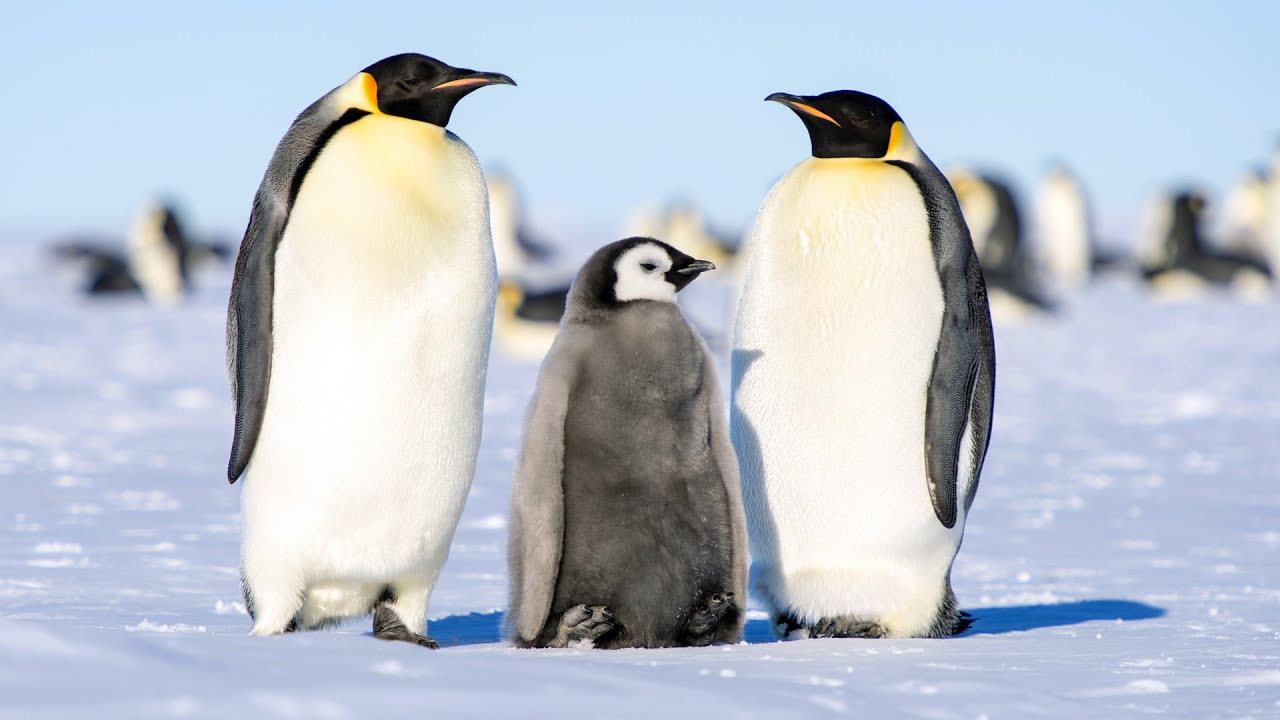
In a rare and surprising event, an emperor penguin was spotted on Ocean Beach in Denmark, Western Australia, thousands of miles from its Antarctic habitat. This unexpected visitor was found last Friday and is now in the care of a trained wildlife carer, according to the Department of Biodiversity, Conservation and Attractions (DBCA).

The penguin, described as “malnourished” by a DBCA spokesperson, is expected to undergo a rehabilitation process that could take several weeks. The rescue team is closely monitoring the animal’s condition, aided by a DBCA officer to ensure it receives proper care.

The penguin’s appearance on Ocean Beach, over 2,200 miles north of Antarctica, is highly unusual. Belinda Cannell, a research fellow at the University of Western Australia, explained that this is the first recorded instance of an emperor penguin venturing so far north. The penguin may have followed an ocean current rich in food that led it to Australian waters, she told ABC News.

Local surfer Aaron Fowler, who witnessed the penguin’s arrival, described seeing the large bird waddle ashore. “It was massive, way bigger than a sea bird. It just waddled straight up to us,” he recounted. He added, “It tried to slide on its belly like it would on snow but face-planted in the sand and then shook itself off.”

Emperor penguins are the largest of all penguin species, reaching heights of up to 45 inches and weighing as much as 88 pounds. They typically breed and live exclusively in Antarctica, where the freezing climate and extensive sea ice are essential for their survival. The ice provides a safe environment for breeding, protection from predators, and access to food sources.

However, climate change poses a significant threat to the species. Rising global temperatures, driven by greenhouse gas emissions, are causing sea ice to diminish. A recent study found that four out of five emperor penguin colonies in the Bellingshausen Sea saw no chicks survive in 2022 due to a massive sea ice loss. Scientists warn that without significant climate action, over 90% of emperor penguin colonies could face near-extinction by 2100.

The appearance of this emperor penguin in Australia highlights both the remarkable endurance of this species and the environmental challenges threatening its future.

Antarctica Turns Green: Vegetation Expanding at an Alarming Rate Due to Climate Change

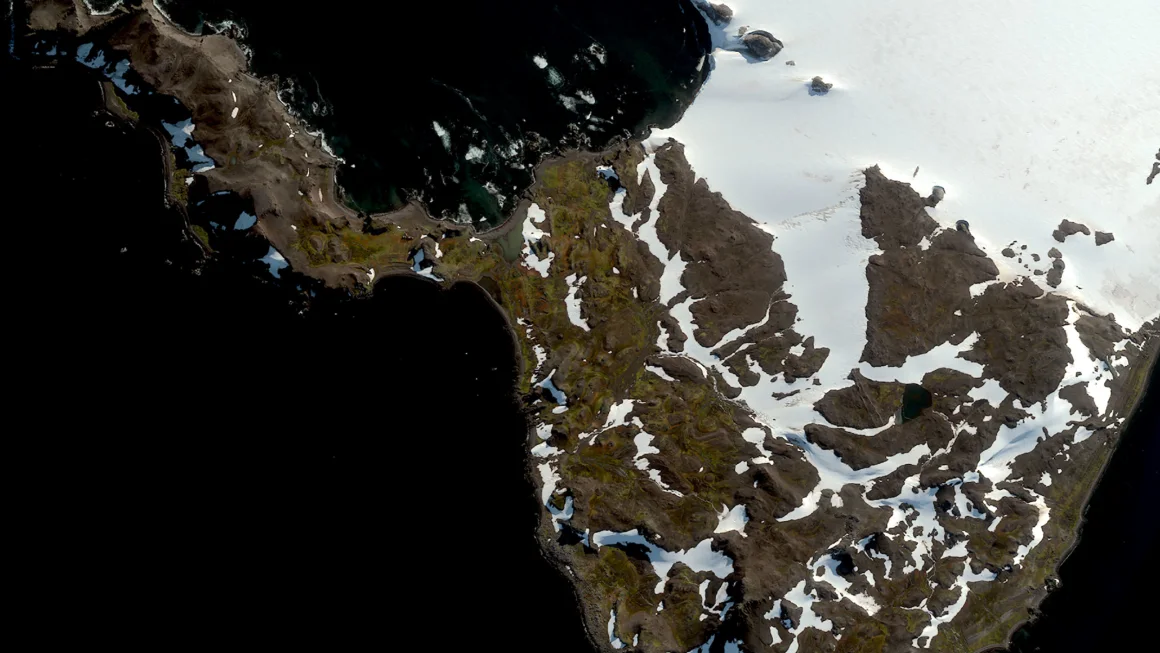
Recent research has revealed that parts of Antarctica are rapidly turning green as vegetation spreads across the Antarctic Peninsula, a region that has been warming much faster than the global average. Using satellite imagery, scientists from the Universities of Exeter and Hertfordshire and the British Antarctic Survey found that plant life, primarily mosses, has increased more than tenfold over the past four decades.

In 1986, vegetation covered less than 0.4 square miles, but by 2021, this area had expanded to almost 5 square miles. The greening rate has also accelerated by over 30% between 2016 and 2021. This phenomenon is being attributed to extreme heat events that have gripped Antarctica, with parts of the continent experiencing record-breaking temperature rises. In mid-July, temperatures soared 50 degrees Fahrenheit above normal, and in March 2022, some areas recorded an astounding 70-degree departure from average.

While the Antarctic Peninsula remains largely snow, ice, and rock, the growing green patches are a clear sign of anthropogenic climate change, according to Thomas Roland, a study co-author from the University of Exeter. The research highlights that even Antarctica, one of the most extreme and isolated environments on Earth, is not immune to the impacts of climate change, and these changes are visible from space.

The greening trend could have significant ecological consequences. Invasive species may find the new environment more hospitable, potentially disrupting the native wildlife. Plant life could also affect the region’s ability to reflect solar radiation, with darker surfaces absorbing more heat and possibly accelerating local warming. Scientists predict that as the fossil fuel-driven warming continues, the greening of Antarctica is likely to increase.

While the study focused primarily on larger moss fields, there are concerns that other types of vegetation, such as lichens, grasses, and algae, are also spreading. Matthew Davey, a polar plant expert, noted that the actual amount of vegetation may be even larger than detected. As glaciers continue to retreat, researchers plan to investigate how these plants colonize the newly exposed land.