Yazılar

Couche-Tard’s Bid for 7-Eleven Seen as Strategic Move for ‘Cheap’ Stock, Amid Regulatory Concerns

Alimentation Couche-Tard’s recent bid to acquire 7-Eleven’s parent company, Seven & i Holdings, has sparked discussions within the financial world about the strategic motives behind the deal. According to industry analysts, the Canadian retail giant, which operates Circle K, views Seven & i as an undervalued stock, making it an attractive target for acquisition. Richard Kaye, a portfolio manager at Comgest, remarked that despite Seven & i’s robust core business, Couche-Tard likely sees an opportunity for a financially advantageous acquisition.

The acquisition, if successful, would be one of the largest foreign takeovers of a Japanese company. Although the offer amount remains undisclosed, U.S. investment firm Artisan Partners Asset Management has urged Seven & i to seriously consider the buyout offer. The move comes as the Japanese conglomerate is undergoing a restructuring process aimed at expanding 7-Eleven’s global reach and divesting from its underperforming supermarket divisions.

Despite Couche-Tard’s strong financial position, with a valuation of $54 billion compared to Seven & i’s $38.3 billion, the deal faces significant regulatory challenges. Particularly, antitrust scrutiny is anticipated in both the U.S. and Japan, given the size and scope of the companies involved. Retail analyst Bryan Gildenberg commented that regulatory approval may require divestments to address competition concerns, especially in the U.S. market.

Picture background

In Japan, Seven & i is reportedly seeking designation as a “core” company under the country’s Foreign Exchange and Foreign Trade Act, which could complicate the acquisition. This designation would subject the transaction to heightened scrutiny by Japan’s finance ministry, reflecting concerns about potential disruptions to 7-Eleven’s well-established convenience store model, known as “konbini” in Japan.

While Couche-Tard’s interest in Seven & i stems from the Japanese firm’s perceived undervaluation, the deal also highlights a broader trend of global companies seeking undervalued opportunities within Japan’s stock market. Kaye noted that despite the strong operational performance of companies like Seven & i, Fast Retailing, and Pan Pacific International Holdings, they trade at lower valuations than their global counterparts, making them attractive investments for firms like Couche-Tard.

However, the potential regulatory roadblocks and the preservation of Seven & i’s unique business model remain key challenges in completing the deal. If successful, the acquisition could reshape the global convenience store landscape and further expand Couche-Tard’s footprint beyond North America, into one of the world’s largest retail markets.

India’s Antitrust Concerns Over Disney-Reliance $8.5 Billion Merger, Focus on Cricket Broadcast Rights

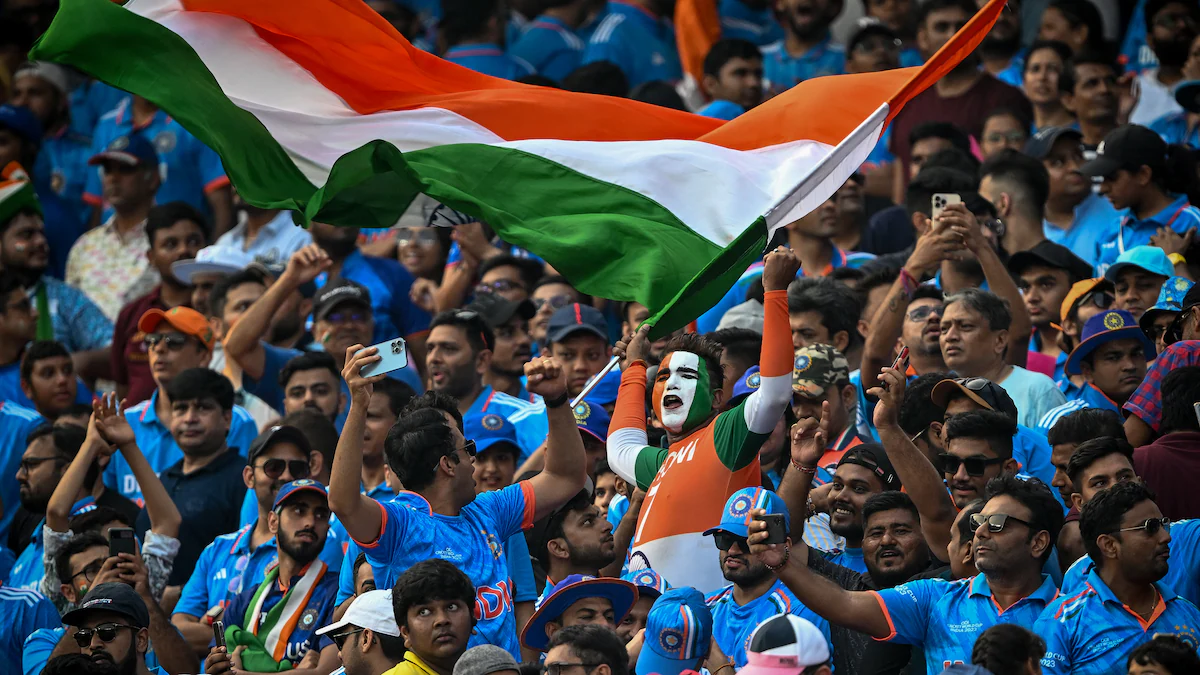
India’s antitrust body, the Competition Commission of India (CCI), has raised concerns that the proposed $8.5 billion merger between Reliance and Disney’s media assets could harm competition, particularly due to their potential dominance over cricket broadcast rights. This merger, aimed at creating India’s largest entertainment conglomerate, has sparked fears over pricing power and control over advertisers in a market where cricket is a highly lucrative sport.

The CCI has privately informed Disney and Reliance of its concerns, specifically highlighting the significant influence the merged entity would wield over cricket broadcasting, a sport deeply embedded in Indian culture and commanding substantial viewership and advertising revenue. The merged company, majority-owned by Mukesh Ambani’s Reliance, would control the broadcast rights for major cricket leagues, including the Indian Premier League (IPL), one of the world’s most valuable sports properties.

This development represents a significant obstacle for the merger, which was announced in February 2024. The CCI has given the companies 30 days to respond and justify why an investigation should not be launched. The primary concern is that the merger could lead to increased advertising rates during live cricket events, given the merged entity’s potential 40% share of the advertising market in TV and streaming segments.

Picture background

In response to earlier queries from the CCI, Reliance and Disney proposed selling a small number of television channels to alleviate concerns about market dominance. However, they refused to concede on cricket broadcasting rights, arguing that these rights, set to expire in 2027 and 2028, cannot be sold without approval from the Board of Control for Cricket in India (BCCI), which could further delay the merger process.

The situation echoes a similar scenario in 2022 when Zee and Sony planned a $10 billion merger. The CCI had also issued a warning due to concerns over market dominance, particularly in the sports broadcasting sector. Although Zee and Sony offered concessions, including selling three TV channels, the merger ultimately collapsed.

As the situation develops, the CCI’s notice could delay the approval process for the Disney-Reliance merger, potentially leading to more stringent concessions. The outcome will likely hinge on how the companies address concerns related to their potential dominance over cricket broadcasting and its impact on competition within the Indian media and advertising markets.

Google Antitrust Ruling May Pose $20 Billion Risk for Apple

Apple’s lucrative agreement with Google is facing significant risk after a U.S. judge ruled that Google, owned by Alphabet, has been operating an illegal monopoly. As a potential remedy to avoid antitrust actions, Google might have to terminate its agreement with Apple, which makes Google’s search engine the default on Apple devices. Wall Street analysts suggested this move on Tuesday.

Google currently pays Apple $20 billion annually, which accounts for about 36% of Google’s earnings from search advertising through the Safari browser, according to Morgan Stanley analysts. If this deal is undone, it could result in a 4-6% reduction in Apple’s profit.

The agreement is set to run until at least September 2026, with Apple having the option to unilaterally extend it for an additional two years, based on a document filed by the Department of Justice in the antitrust case. Evercore ISI analysts indicated that the most likely outcome would be a ruling against Google paying for default placement or a mandate for companies like Apple to prompt users to select their preferred search engine proactively.

Apple’s shares were flat on Tuesday, lagging behind a broader market recovery after Monday’s global selloff. Alphabet’s shares showed little change after a 4.5% drop in the previous session. Herbert Hovenkamp, a law professor at the University of Pennsylvania, remarked that dominant market players should avoid exclusive agreements and ensure that agreements provide buyers with the freedom to choose alternatives.

The legal process, including potential appeals, could extend into 2026. If the deal is scrapped, Apple might offer alternatives such as Microsoft Bing or develop a new search product powered by OpenAI. The ruling is expected to accelerate Apple’s shift towards AI-powered search services. Apple recently announced plans to integrate OpenAI’s ChatGPT chatbot into its devices and is in talks with Google to add the Gemini chatbot, with plans to include other AI models.

Apple is also enhancing Siri with AI technology to handle tasks like writing emails and interacting with messages. While these efforts might not generate significant revenue in the near future, they could help Apple leverage new technology.

Gadjo Sevilla, an analyst at Emarketer, suggested that while this situation could be a temporary setback for Apple, it also presents an opportunity to pivot to AI solutions for search.