Yazılar

Meta’s Llama AI approved for use across U.S. government agencies

The U.S. General Services Administration (GSA) has approved Meta Platforms’ artificial intelligence system, Llama, for use by federal agencies, marking a milestone in the government’s adoption of commercial AI. The move comes as the Trump administration pushes to expand the integration of AI into federal operations.

Josh Gruenbaum, GSA’s procurement lead, confirmed that Llama will now be available as part of the agency’s catalog of authorized AI tools. Agencies can experiment with the model—free to use—with GSA’s assurance that it complies with legal and security requirements.

Llama, Meta’s large language model, can process multiple forms of data, including text, audio, video, and images. The approval gives government workers access to a tool that can assist in areas like accelerating contract reviews, handling IT troubleshooting, and managing vast amounts of information.

The GSA has also approved rival AI products from Amazon Web Services, Microsoft, Google, Anthropic, and OpenAI in recent months. Those firms agreed to offer their paid tools at steep discounts while meeting strict federal security standards.

Gruenbaum emphasized that the deals are not about political influence but about collaboration: “It’s about that recognition of how do we all lock in arms and make this country the best country it could possibly be.”

The approval reflects Washington’s accelerating interest in embedding AI across agencies to streamline operations, improve efficiency, and strengthen the government’s technological footing against global competitors.
Meta unveils smart glasses with built-in display, pushing toward “superintelligence”

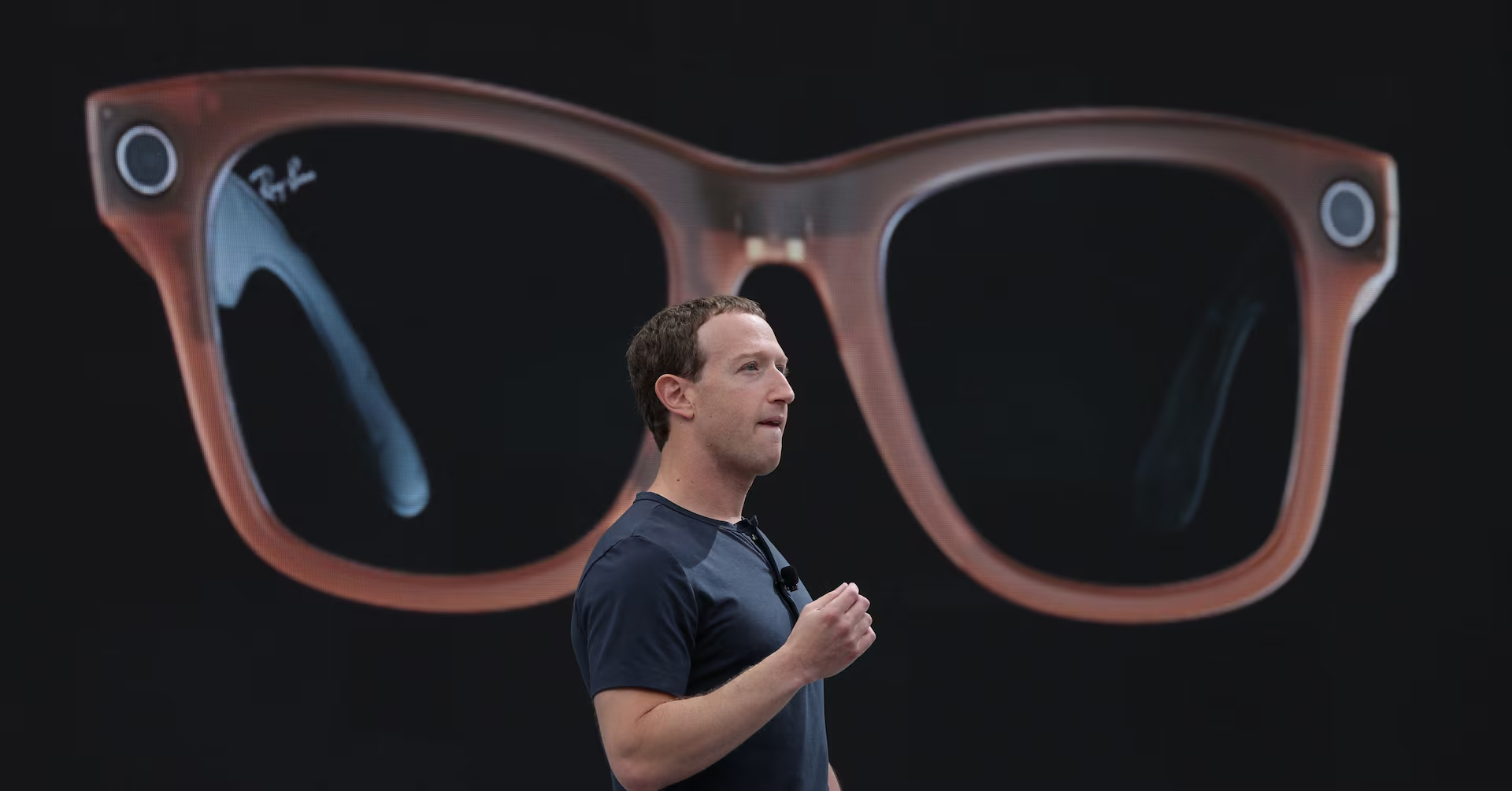
Meta Platforms introduced its first consumer-ready smart glasses with a built-in digital display at its annual Connect event in Menlo Park, California. CEO Mark Zuckerberg pitched the new Meta Ray-Ban Display glasses as the ideal gateway to the AI-powered “superintelligence” era, saying they can enhance communication, memory, and senses while allowing users to stay present in the real world.

The glasses feature a small digital screen in the right lens for notifications and basic tasks. Priced at $799, they will launch on September 30 and come with a wristband that translates hand gestures into commands such as answering calls or replying to texts. Despite some glitches during the demo, the product received applause from the developer audience.

Meta also launched Oakley Vanguard sports glasses for $499, designed for athletes with Garmin and Strava integration, nine hours of battery life, and real-time workout feedback. In addition, Meta refreshed its earlier Ray-Ban line with improved cameras and nearly double the battery life, now priced at $379.

Industry analysts remain cautious. While the Display glasses may not achieve strong immediate sales, they see the launch as an incremental step toward Meta’s more ambitious “Orion” glasses, targeted for 2027. Analysts compared the debut to Apple’s rollout of the smartwatch, suggesting glasses could evolve into an everyday alternative to the smartphone if Meta proves their value.

The unveiling comes amid Meta’s aggressive AI investments and recruitment push, but also at a time of heightened scrutiny over child safety on its platforms and past controversies around VR’s effects on younger users.

IDC forecasts AR/VR headsets and smart glasses shipments to rise nearly 40% in 2025, with Meta expected to drive growth—particularly through the more affordable Ray-Ban line co-developed with EssilorLuxottica.

Microsoft and OpenAI strike non-binding deal to enable restructuring

Microsoft and OpenAI announced on Thursday that they have signed a non-binding agreement to redefine their partnership, paving the way for OpenAI to restructure into a for-profit company. The move would allow the ChatGPT creator to adopt a more conventional governance model, raise capital more freely, and potentially pursue an eventual IPO.

While details of the new commercial terms were not disclosed, both companies said they are working toward a definitive agreement. The talks mark a major shift in one of the most closely watched partnerships in the AI sector, forged to fuel the global boom in generative AI.

Microsoft has invested $11 billion in OpenAI since 2019 and until recently enjoyed exclusive rights to market OpenAI’s tools through its Azure cloud platform. But the dynamic has shifted: OpenAI has launched its own Stargate data center project, signed $300 billion in contracts with Oracle, and struck another cloud deal with Google, signaling its desire to diversify partnerships and reduce reliance on Microsoft.

For its part, Microsoft wants to preserve access to OpenAI’s technology even if OpenAI claims to reach artificial general intelligence (AGI) — a threshold that under current terms would end the partnership.

OpenAI is targeting a $500 billion valuation, with its nonprofit arm set to receive more than $100 billion, according to chairman Bret Taylor. The conversion still requires approval from attorneys general in California and Delaware, and OpenAI risks losing billions in tied funding if it fails to finalize the transition by year-end.

The evolving relationship underscores the growing competitive tension between the two. Microsoft is developing its own AI models to reduce dependency, while both companies continue to compete in enterprise tools and consumer-facing chatbots.