
Yazılar

Korea’s SK Group and Amazon to Invest $5 Billion in Nation’s Largest AI Data Centre

South Korea’s SK Group announced a $5.11 billion investment plan, including $4 billion from Amazon Web Services (AWS), to build the country’s largest data centre in Ulsan, the Science Ministry confirmed Friday. Construction will begin in September, with full operations expected by 2029, featuring a capacity of 100 megawatts.

SK Group Chairman Chey Tae-won expressed ambitions to expand the facility to one gigawatt eventually, aiming to position it as a global hub to meet domestic AI demands. President Lee Jae Myung, present at the announcement alongside tech industry leaders, emphasized AI’s critical role in South Korea’s growth and praised the project for spreading high-tech industry development beyond the metropolitan areas into provincial regions.

Following the announcement, South Korean AI-related stocks surged, with SK Hynix rising over 3%, Kakao jumping 11%, and LG CNS gaining 9%, helping the KOSPI index surpass 3,000 points for the first time in over three years.

The investment confirms earlier media reports this month about SK Group and AWS’s plans to build a major data centre in South Korea.
Japan’s TDK Acquires U.S. Smart Glasses Company SoftEye

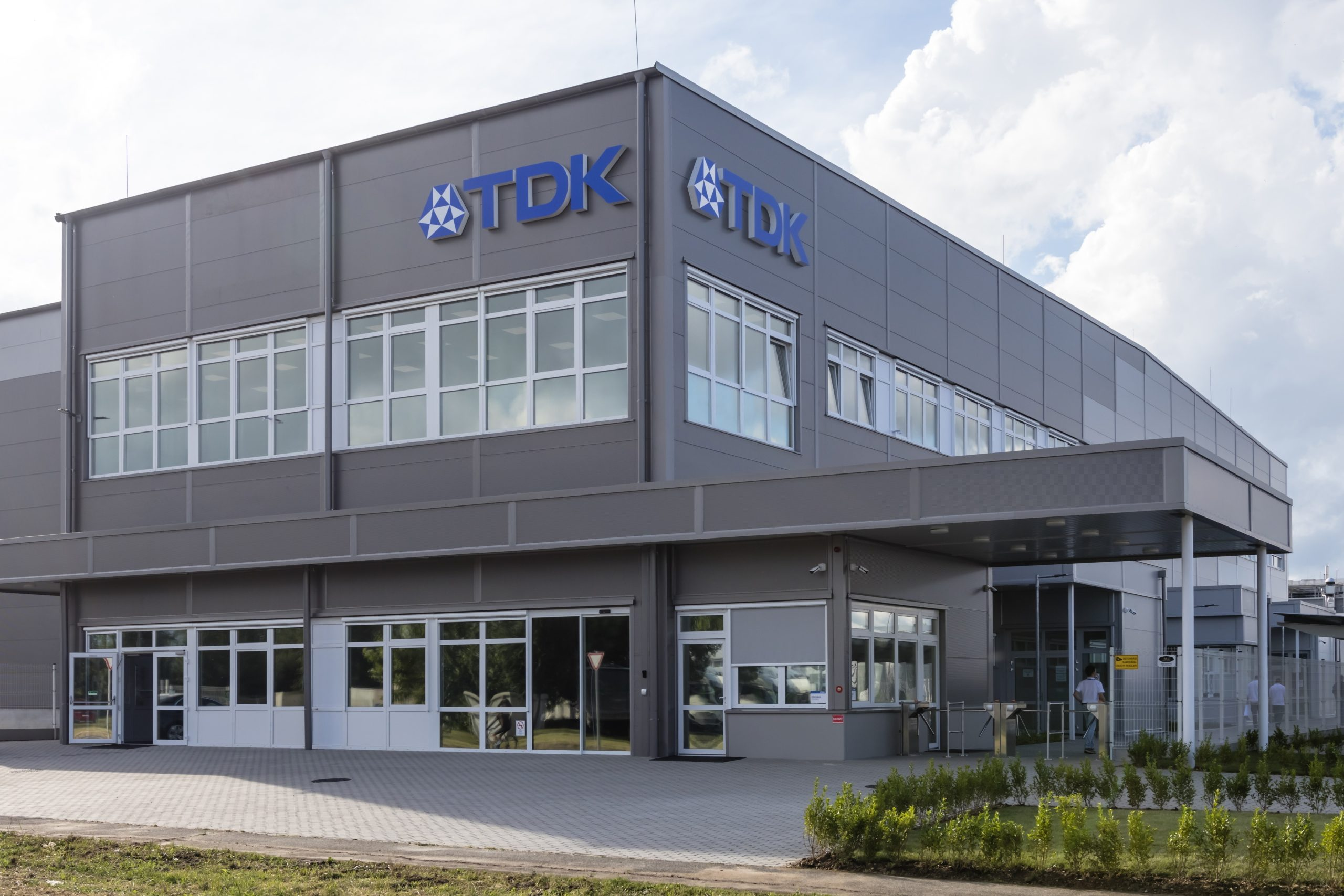
Japanese electronics manufacturer TDK announced on Thursday it has acquired SoftEye, a U.S.-based company specializing in software and hardware for smart glasses. This acquisition supports TDK’s strategy to find new growth drivers linked to artificial intelligence (AI).

SoftEye, headquartered in San Diego, California, develops eye-tracking and object recognition technologies. Its founder and CEO, Te-Won Lee, has previously held executive roles at Samsung Electronics and Qualcomm.

According to a source familiar with the deal, the acquisition is valued at under $100 million.

Tech companies are increasingly investing in hardware beyond smartphones, with smart glasses gaining attention. Facebook owner Meta and others are focusing on AI-powered smart glasses to enhance user interaction with their environment. Social media company Snap plans to launch consumer smart glasses next year, and Alphabet’s Google recently showcased smart glasses at its developer conference. Chipmaker Qualcomm also unveiled a smart glasses processor this month.

TDK, once famous for its cassette tapes, now plays a key role in electronics by supplying components and batteries for smart glasses.

Microsoft May Walk Away from OpenAI Negotiations Amid Stake Disputes

Microsoft is reportedly prepared to abandon high-stakes negotiations with OpenAI over the future of their strategic alliance, according to a report by the Financial Times published Wednesday. The talks have hit a stalemate over key disagreements, particularly regarding the size and structure of Microsoft’s future equity stake in the artificial intelligence company.

Sources familiar with the matter told the FT that Microsoft may pause or terminate discussions if no breakthrough is reached. In the meantime, Microsoft plans to lean on its existing commercial agreement, which guarantees access to OpenAI’s technologies, including its ChatGPT models, through 2030.

The situation comes amid increased tension between the two AI powerhouses. A separate Wall Street Journal report earlier this week revealed that OpenAI executives have considered accusing Microsoft of anticompetitive practices related to their ongoing partnership. Both companies are reportedly negotiating changes to Microsoft’s investment terms, including its future stake in OpenAI.

Despite the friction, both sides released a joint statement earlier this week affirming their intention to collaborate:

“Talks are ongoing, and we are optimistic we will continue to build together for years to come.”

Microsoft’s multi-billion dollar investment into OpenAI has positioned it as a central player in the AI boom, helping the company compete aggressively with rivals like Google and Amazon. The partnership has powered Microsoft’s integration of OpenAI models into products like Copilot in Microsoft 365 and Azure OpenAI Service.

Meanwhile, OpenAI is seeking approval from Microsoft—its dominant backer—to convert into a public-benefit corporation, a structural change the startup believes would facilitate greater capital raising flexibility.

The evolving rift highlights the complex interdependence between Big Tech firms and rapidly-scaling AI startups, raising questions about governance, control, and long-term alignment in the sector.