Yazılar

Nvidia-Backed SandboxAQ Generates Synthetic Data to Accelerate Drug Discovery

Artificial intelligence startup SandboxAQ, spun out of Alphabet’s Google and backed by Nvidia, unveiled a large synthetic dataset designed to speed up drug discovery by improving predictions of how drugs bind to proteins. This crucial step helps scientists determine whether a drug candidate will effectively target biological processes involved in diseases.

Although the dataset is rooted in real-world experimental science, SandboxAQ created it computationally using Nvidia’s powerful chips rather than through lab experiments. By combining traditional scientific computing with advanced AI, the startup generated approximately 5.2 million new three-dimensional molecular structures that have not been observed naturally but are scientifically plausible based on existing data.

This synthetic data is being released publicly to train AI models capable of rapidly and accurately predicting drug-protein interactions, a process that would otherwise take far longer to compute manually—even on the fastest computers. SandboxAQ plans to monetize its own AI models developed using this data, offering a faster, cost-effective alternative to lab experiments.

Nadia Harhen, SandboxAQ’s general manager of AI simulation, explained the breakthrough: “This is a long-standing problem in biology that the industry has been trying to solve. Our synthetic data is tagged with ground-truth experimental results, enabling models trained on this data to achieve unprecedented accuracy.”

The approach represents a promising intersection of scientific computation and AI, potentially accelerating the development of new medicines and improving outcomes in pharmaceutical research.
Sam Altman Reveals Meta Offered $100 Million Bonuses to Lure OpenAI Talent

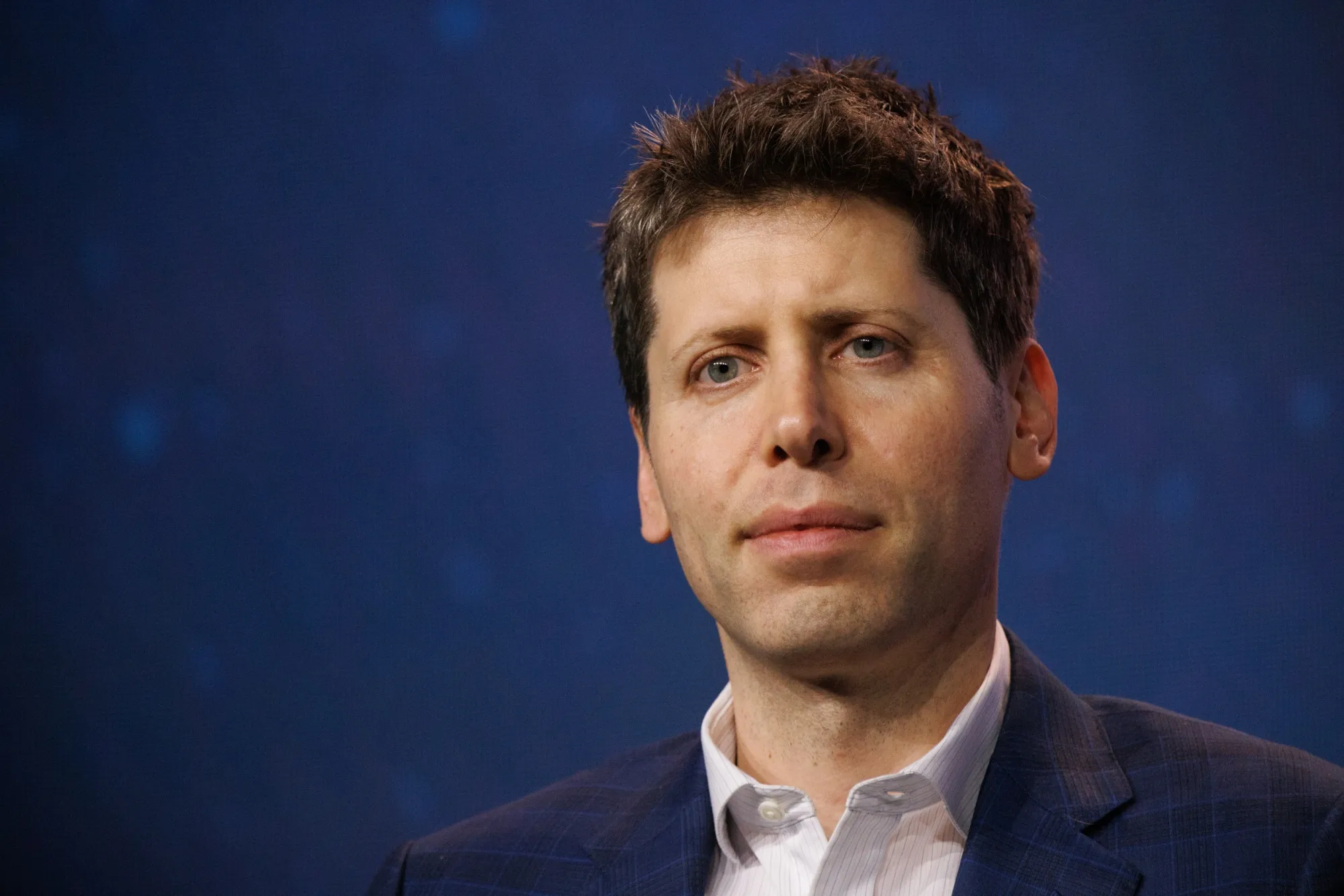
OpenAI CEO Sam Altman disclosed that Meta has made massive $100 million bonus offers to some OpenAI employees as part of its aggressive strategy to build out its artificial intelligence capabilities. Speaking on the Uncapped podcast, Altman said Meta is trying to recruit top AI engineers with exceptionally large signing bonuses and compensation packages.

Despite the lucrative offers, Altman noted that none of OpenAI’s key talent have yet accepted Meta’s proposals. The move underscores the intense competition among tech giants to secure leading AI researchers amid a booming AI race.

Meta, which recently invested $14.3 billion in AI data-labeling firm Scale AI and hired its CEO Alexandr Wang to lead a new superintelligence unit, is looking to catch up with rivals like OpenAI and Google. The company has faced challenges including staff departures and delays in releasing open-source AI models.

Altman added that Meta views OpenAI as its “biggest competitor” in the AI space. Reuters could not independently verify the bonus claims and Meta has not commented.

Elon Musk’s xAI Seeks $4.3 Billion Equity Raise Amid Massive Spending Plans

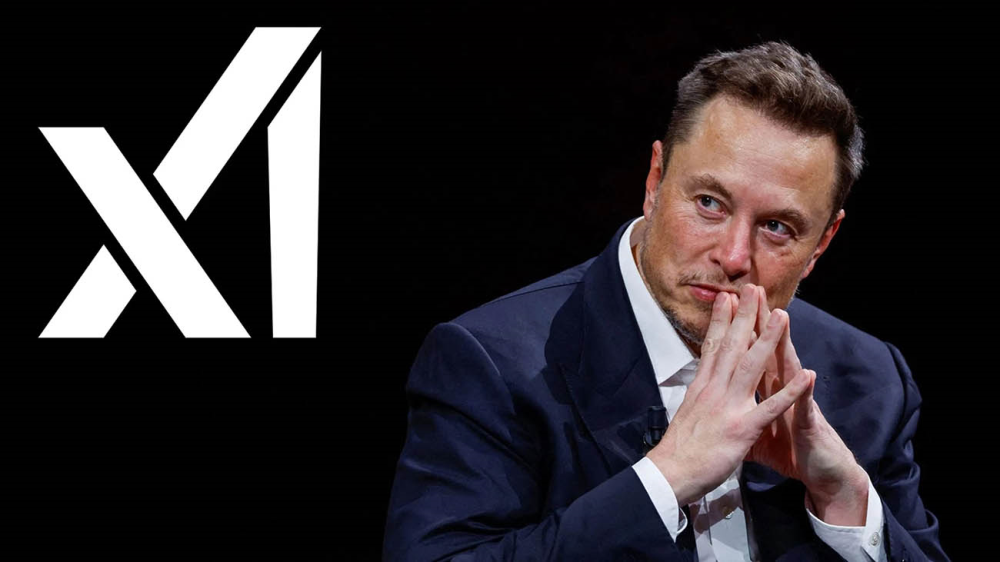
Elon Musk’s AI startup xAI is reportedly in talks to raise $4.3 billion in equity funding, according to Bloomberg News. This new capital would be in addition to a $5 billion debt funding round already in progress, as xAI intensifies efforts to scale its artificial intelligence capabilities.

Founded in 2023, xAI has already raised $14 billion in equity to date. However, the company is now seeking fresh investment as it anticipates spending approximately $13 billion in 2025 alone — more than $1 billion per month, much of it earmarked for hardware, compute infrastructure, and top-tier AI talent.

Key Highlights:

  • The additional equity would bring total fundraising efforts to over $23 billion.

  • The company’s flagship product is Grok, a chatbot integrated with X (formerly Twitter), which xAI acquired earlier this year.

  • According to Bloomberg, xAI’s valuation has surged to $80 billion as of Q1 2025, up from $51 billion at the end of 2024.

  • Musk’s startup may benefit from a $650 million rebate from a manufacturing partner, helping to offset some of its rising costs.

Context and Competition:

Musk previously co-founded OpenAI in 2015 but stepped away from the board in 2018. Since then, he has become increasingly critical of OpenAI’s direction and established xAI as a competitor focused on “truthful” and “beneficial” AI.

OpenAI is reportedly aiming to raise up to $40 billion at a $300 billion valuation, with SoftBank involved in its latest funding round.

Industry Implications:

The AI space has become one of the most capital-intensive sectors in tech, as firms race to secure the massive computational power and top-tier research talent required to train frontier models. xAI’s projected 2025 cash burn is among the highest in the industry, underscoring Musk’s ambitious push to catch up with, and possibly surpass, competitors like OpenAI, Anthropic, and Google DeepMind.