Yazılar

BT CEO Kirkby Signals AI Could Accelerate Job Cuts, Openreach Spin-Off Possible – Financial Times

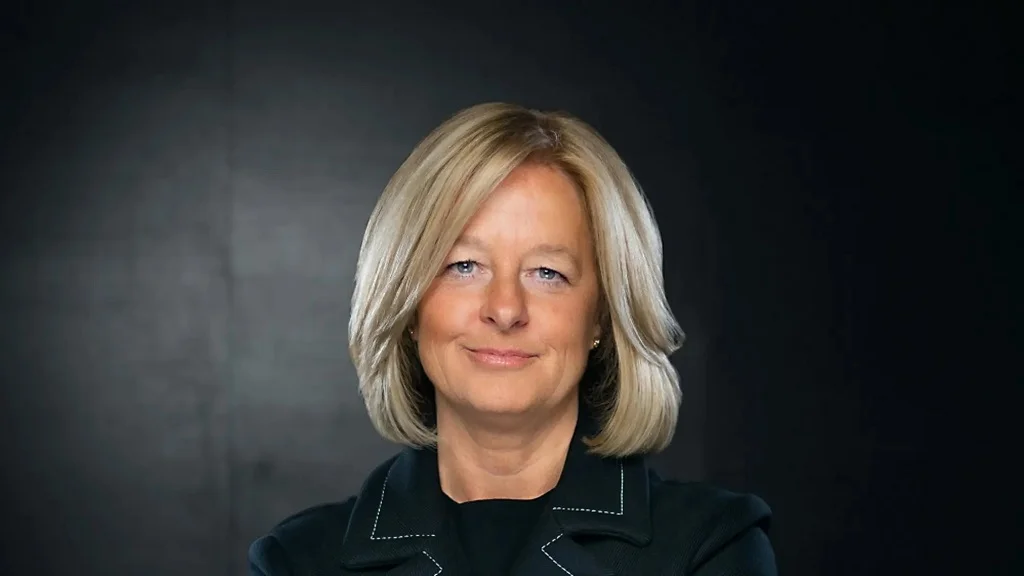
BT Group CEO Allison Kirkby indicated in an interview with the Financial Times that advances in artificial intelligence (AI) might deepen the extensive job cuts already planned at the British telecom giant.

Kirkby noted that BT’s current plan to cut over 40,000 jobs and reduce costs by £3 billion ($4 billion) by 2030 “did not reflect the full potential of AI.” She suggested that depending on AI developments, BT could become “even smaller by the end of the decade.”

The company had previously announced plans to cut up to 55,000 jobs, including contractors, by 2030 under former CEO Philip Jansen, aiming for a leaner workforce and substantially lowered costs by decade’s end.

Kirkby, who took over from Jansen a year ago, also hinted at the possibility of spinning off Openreach, BT’s network infrastructure arm. She expressed concerns that Openreach’s value is not currently reflected in BT’s share price, stating that if this undervaluation continues, BT “would absolutely have to look at options.”

In response to Reuters, BT clarified that a spin-off of Openreach is not an active consideration at this time and did not comment further on Kirkby’s remarks.

BT’s recent financial update highlighted strong fibre broadband demand and over £900 million in cost savings, which helped sustain full-year earnings and improve cash flow. Growth in Openreach compensated for revenue and profit declines in the business and consumer segments, where legacy voice services and handset sales continue to decline.
Meta Poaches 28-Year-Old Scale AI CEO in $14.3 Billion Stake Deal

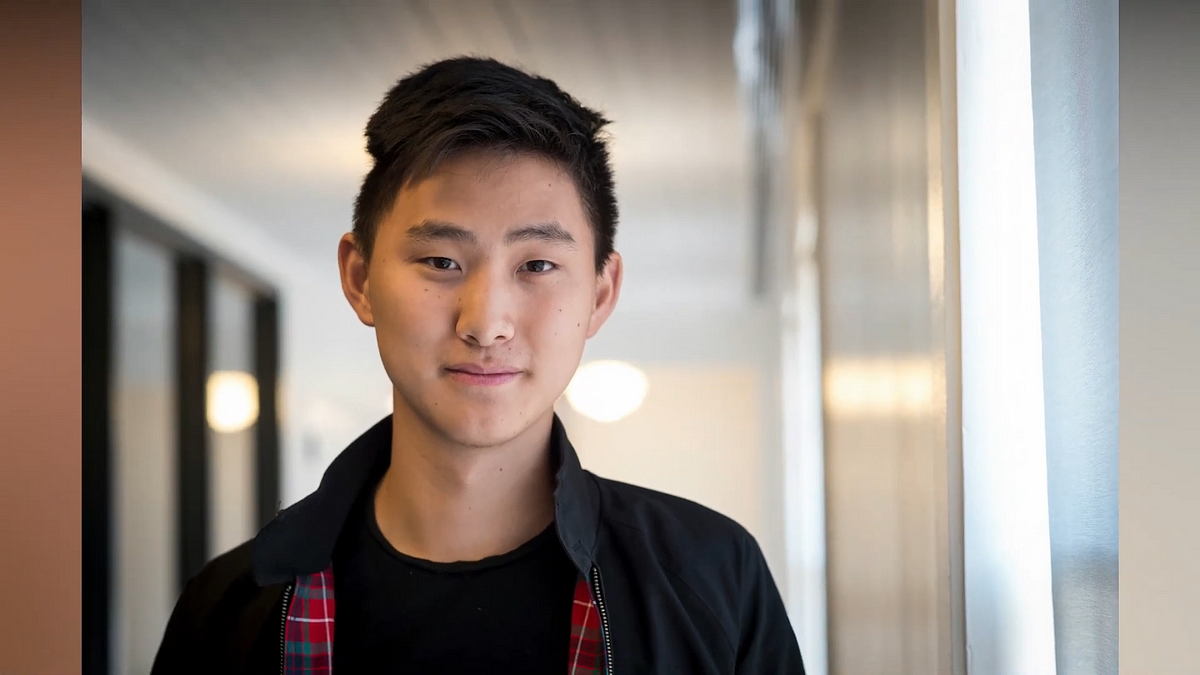
Meta, the parent company of Facebook, has taken a 49% stake in the data-labeling startup Scale AI for $14.3 billion, valuing the company at $29 billion. As part of the deal, Scale’s 28-year-old CEO Alexandr Wang will join Meta to lead its new superintelligence efforts, marking a major move in Meta’s artificial intelligence strategy.

Meta confirmed plans to deepen collaboration on data production for AI models, but did not disclose financial details publicly. Sources close to the discussions said the primary motivation behind the multibillion-dollar investment was securing Wang’s leadership for Meta’s superintelligence unit.

Wang, a Los Alamos, New Mexico native born to Chinese immigrant physicists, dropped out of MIT to co-found Scale AI. He quickly gained acclaim as one of Silicon Valley’s most promising entrepreneurs, achieving billionaire status in his twenties. His influence extends into Washington D.C., where he has testified before Congress and helped secure government contracts for Scale.

Meta’s AI efforts have faced challenges recently, including staff departures and delays in launching open-source AI models that could compete with Google, OpenAI, and China’s DeepSeek. By recruiting Wang—a business-focused leader rather than a research scientist—Meta CEO Mark Zuckerberg is betting on a new approach to revitalize its AI ambitions.

Scale’s chief strategy officer, Jason Droege, will serve as interim CEO following Wang’s transition. Despite the large investment, Meta does not plan to take a board seat at Scale. A select group of Scale employees will also join Wang at Meta, while Wang will retain his seat on Scale’s board.

The $14.3 billion investment ranks as Meta’s second-largest acquisition after its $19 billion WhatsApp buyout. It remains uncertain whether the deal will face regulatory review amid ongoing antitrust scrutiny faced by Meta, which has been sued by the U.S. Federal Trade Commission for allegedly stifling competition via acquisitions like Instagram and WhatsApp.

Founded in 2016, Scale AI plays a pivotal role in providing accurately labeled data essential for training advanced AI models such as OpenAI’s ChatGPT. The company uses platforms like Remotasks and Outlier to manage gig workers who manually label data. Scale was valued at nearly $14 billion in a May 2024 funding round backed by Nvidia, Amazon, and Meta.

While the deal represents a windfall for early investors like Accel and Index Ventures—who can now sell half their stake—it may raise concerns among Scale’s AI lab clients, who might fear Meta gaining insight into competitors’ data priorities through Wang’s ongoing board membership.

Alligator Near Your Ball? AI Rules Expert at U.S. Open Explains What to Do

At this year’s U.S. Open golf tournament at Oakmont Country Club, an innovative AI-powered avatar is helping players and fans instantly navigate complex golf rules, including what to do if they encounter an alligator near their ball.

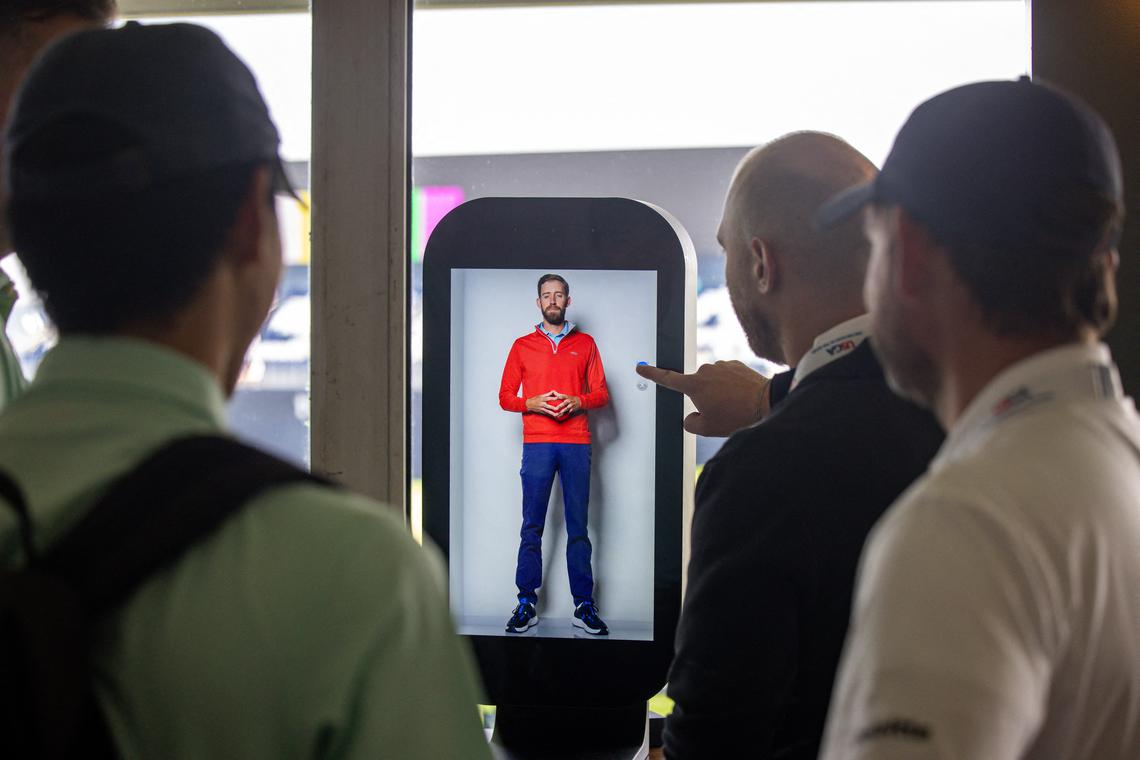
Inside a hospitality suite overlooking the 17th green, three demo terminals feature an interactive avatar of USGA rules expert Jay Roberts. Users can ask questions in English, Spanish, or Mandarin by holding their finger on the screen and speaking, receiving answers in the same language.

When asked about an alligator in a bunker where a player’s ball lies, the avatar humorously replied, “An alligator in the bunker, now that’s a hazard.” It then explained the options: the golfer may take free relief by dropping the ball at the nearest safe spot within the bunker, no closer to the hole, or choose to take a penalty stroke and drop outside the bunker.

This AI tool was developed by Deloitte in collaboration with the United States Golf Association, using four years of expert rules inquiry data combined with advanced AI technology to provide accurate, real-time answers.

Though not yet publicly available, the USGA envisions the avatar eventually being accessible via a mobile app or possibly displayed on golf cart screens to help players better understand the rules, promote fair play, and speed up the game.

Lou DiLorenzo, Deloitte’s National AI & Data Strategy leader, highlighted the technology’s potential to make golf rules more accessible and improve interactions between the USGA, courses, and players, ultimately enhancing the overall experience.