Yazılar

NASA’s Europa Clipper Mission Launched to Investigate Potential for Life on Europa’s Icy Surface

NASA’s Europa Clipper Mission: A Journey to Uncover the Secrets of Europa

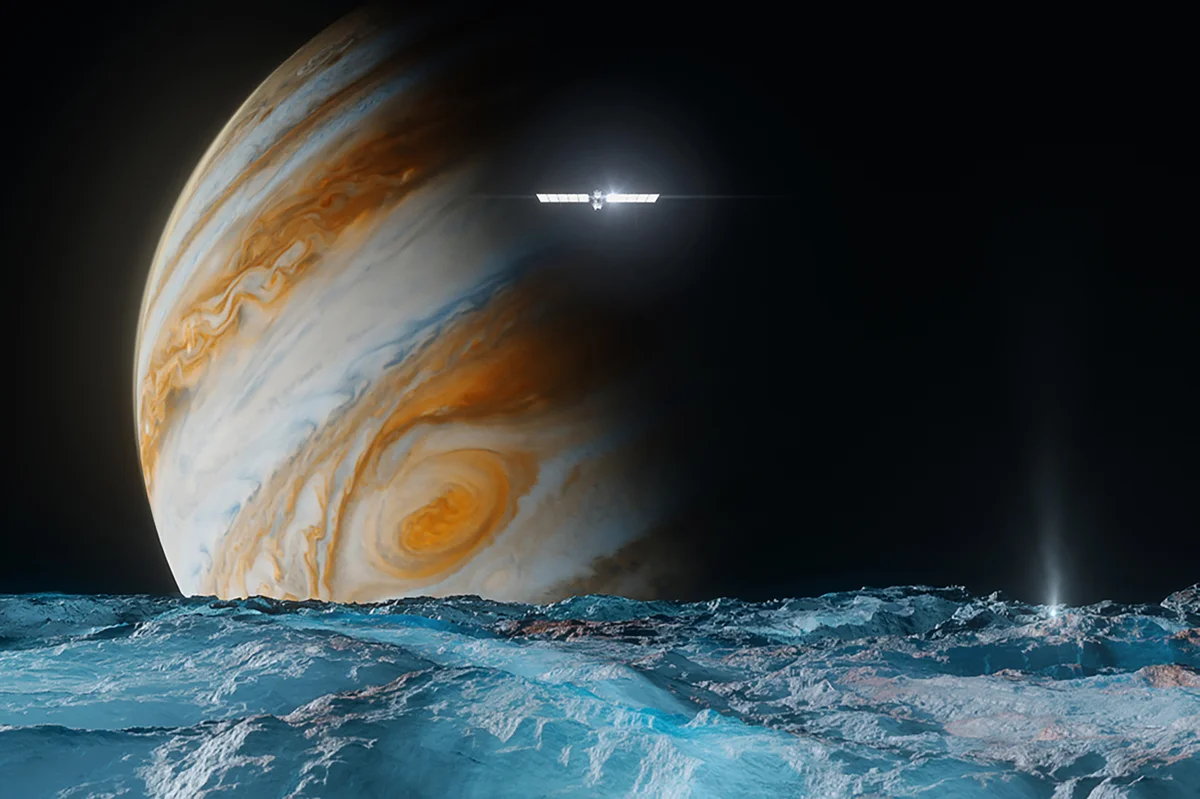
NASA has launched its Europa Clipper mission, a groundbreaking initiative designed to explore Europa, one of Jupiter’s most fascinating moons. Scientists are particularly intrigued by Europa due to the potential existence of a subsurface ocean beneath its thick icy crust, which may harbor conditions conducive to life. The Europa Clipper spacecraft is set to conduct 49 flybys of the moon, employing cutting-edge instruments to analyze both the surface and the ocean beneath, thereby enhancing our understanding of this enigmatic satellite.

In-Depth Surface Analysis and Organic Compound Search

One of the primary objectives of the Europa Clipper mission is to study Europa’s icy surface and determine whether it contains organic materials that may have originated from the subsurface ocean. Key instruments, such as the Mapping Imaging Spectrometer for Europa (MISE), will facilitate the identification of various surface materials. Additionally, the Europa Thermal Emission Imaging System (E-THEMIS) will help scientists pinpoint thermal hotspots, which could indicate geological activity beneath the icy shell. By searching for signs of organic compounds and gases that may escape from the moon, researchers hope to gather critical evidence about Europa’s habitability.

Investigating Europa’s Internal Structure

Beyond surface analysis, the Europa Clipper mission aims to delve into the moon’s internal structure. The Europa Clipper Magnetometer (ECM) and the Plasma Instrument for Magnetic Sounding (PIMS) will measure the induced magnetic field and electrical currents surrounding Europa. These measurements are essential for understanding the characteristics of the subsurface ocean, including its depth and salinity, as well as the thickness of the ice shell above it. This data will help scientists assess whether the conditions beneath the ice are suitable for supporting life.

Radar Technology to Reveal Hidden Environments

An essential component of the Europa Clipper mission is the Radar for Europa Assessment and Sounding to Near-surface (REASON) instrument. This advanced radar technology will enable researchers to penetrate the icy surface and explore the ocean lying below. By providing insights into the composition and structure of the ice, as well as identifying potentially habitable environments, REASON is poised to play a crucial role in our quest to understand Europa’s potential for life. As the mission unfolds, scientists anticipate that the findings will not only deepen our knowledge of Europa but also shape future explorations of icy worlds throughout our solar system
Giant Meteorite Impact 3.2 Billion Years Ago Boosted Early Life on Earth

A colossal meteorite impact, roughly the size of four Mount Everests, struck Earth over 3 billion years ago, potentially serving as a “fertilizer bomb” that nourished the planet’s earliest life forms. This insight comes from new research led by Nadja Drabon, an assistant professor of Earth and planetary sciences at Harvard University, and published in the Proceedings of the National Academy of Sciences.

Impact Details

Typically, large asteroid impacts are associated with mass extinctions, such as the one that led to the demise of the dinosaurs 66 million years ago. However, the S2 meteorite, estimated to have 50 to 200 times the mass of the Chicxulub asteroid, collided with Earth 3.26 billion years ago, at a time when the planet was predominantly covered by oceans and inhabited by single-celled organisms.

Drabon notes that before the S2 impact, the oceans were “biological deserts,” lacking nutrients necessary for life. The collision led to significant geological changes, enriching the environment with essential nutrients.

Geological Exploration

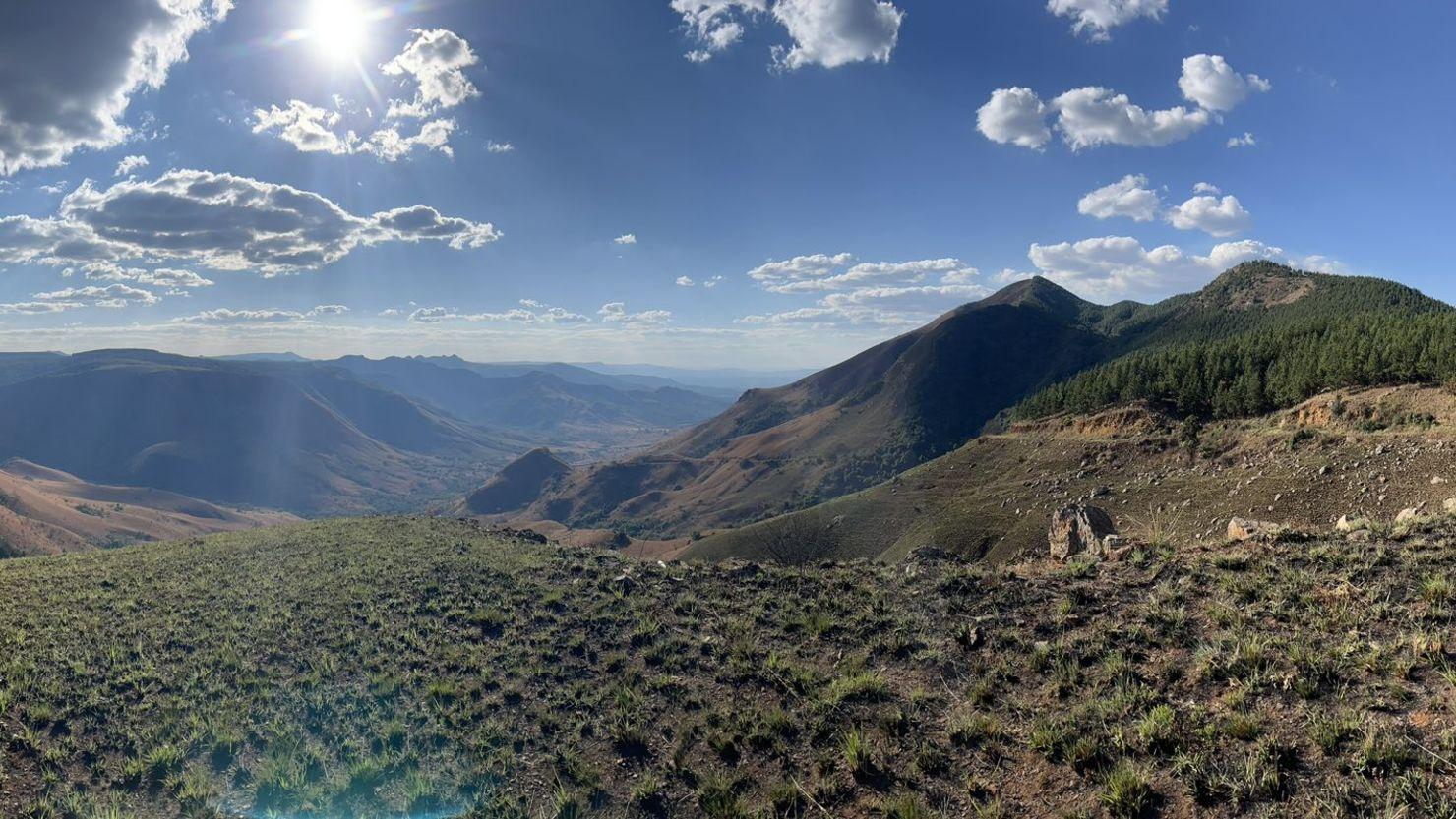
Drabon and her team studied the Barberton Makhonjwa Mountains in South Africa, a region rich in geological evidence of ancient impact events. They focused on identifying tiny impact particles known as spherules, which formed during meteorite strikes. By analyzing these spherules and the surrounding rock layers, the researchers reconstructed the environmental conditions following the S2 impact.

Drabon described the scene, stating:

“Picture yourself standing off the coast of Cape Cod, in a shelf of shallow water… then all of a sudden, you have a giant tsunami sweeping by and ripping up the seafloor.”

Tsunami and Nutrient Enrichment

The S2 meteorite, measuring between 23 and 36 miles (37 and 58 kilometers) in diameter, unleashed waves of destruction that included a massive tsunami. The heat from the impact caused the upper layer of the ocean to boil, evaporating water and forming salts. The darkened skies, filled with dust from the impact, disrupted photosynthesis in marine microorganisms, temporarily hindering life on the surface.

However, the deep ocean benefited from this upheaval. The tsunami stirred up iron and other nutrients, while erosion released phosphorus from the meteorite. This surge of nutrients was crucial for the survival and proliferation of single-celled organisms that thrived in the post-impact environment.

Drabon noted:

“The impact released essential nutrients, such as phosphorus, on a global scale. A student aptly called this impact a ‘fertilizer bomb.’”

Comparison with Chicxulub Impact

While both the S2 and Chicxulub impacts caused significant disruptions to life, their effects varied due to the size of the impacting bodies and the stage of Earth’s development at the time. The Chicxulub impact released sulfur into the atmosphere, leading to a dramatic drop in surface temperatures and a longer recovery period for marine life. In contrast, the S2 impact created conditions that allowed life to bounce back more rapidly, as the oceans filled back in and dust settled.

Drabon explained:

“Life during the time of the S2 impact was much simpler… you might eliminate 99.9% of bacteria, but by evening, they have returned.”

Future Research Directions

The findings from the Barberton Makhonjwa Mountains are opening new avenues for understanding Earth’s history of impacts and their role in the evolution of life. Ben Weiss, a professor of Earth and planetary sciences at MIT, emphasized the significance of these observations, stating that they provide insights into the global effects of ancient impacts.

Drabon and her team aim to explore how common such environmental changes and biological responses were after other ancient impacts, analyzing how both positive and negative effects shaped the early stages of life on Earth.

Conclusion

The S2 meteorite’s impact, rather than being solely catastrophic, may have played a pivotal role in nurturing early life by enriching the oceans with vital nutrients. This research enhances our understanding of the complex interactions between extraterrestrial events and the evolution of life on our planet.

New Research Suggests Rocky Exoplanets Could Store Water in Their Molten Iron Cores

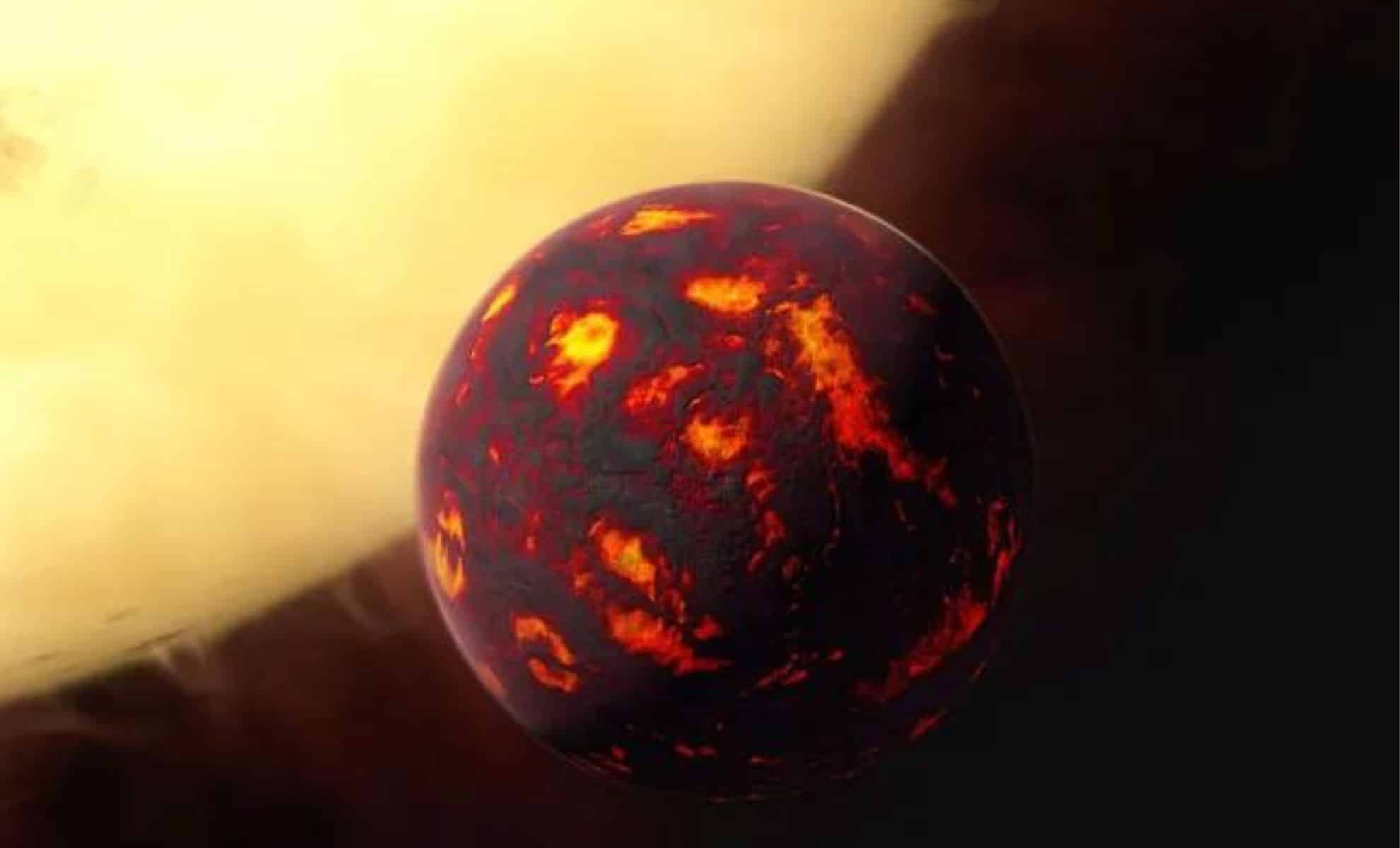
Rocky Exoplanets May Contain More Water Yet Offer Less Potential for Habitability, Study Finds Devamını Oku