Yazılar

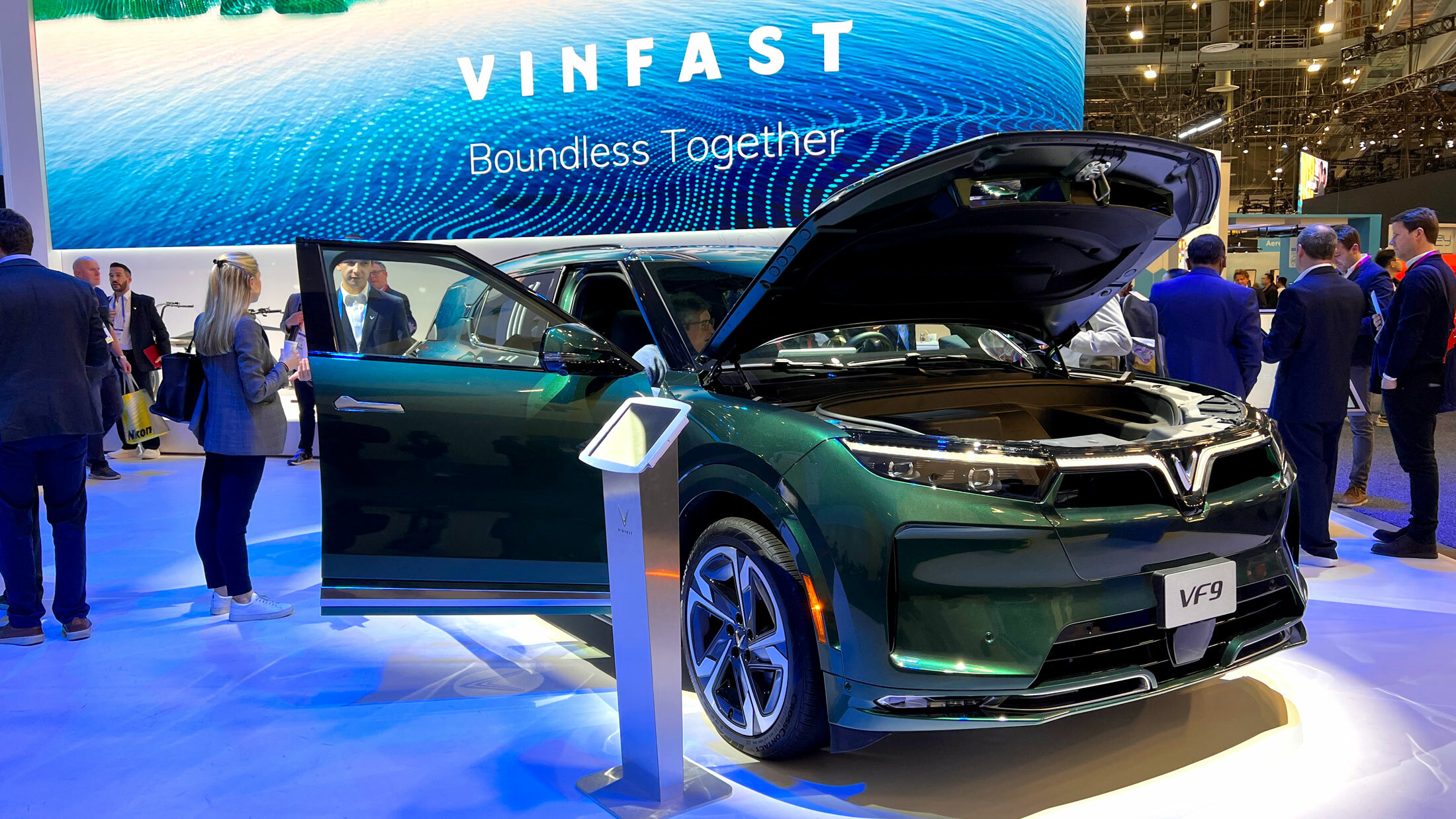
VinFast Founder Pham Nhat Vuong to Invest $1.5 Billion in R&D Assets

VinFast founder Pham Nhat Vuong has agreed to inject $1.52 billion into the electric vehicle (EV) maker by purchasing its research and development (R&D) arm, marking his latest financial support for the loss-making Vietnamese company. The move comes as VinFast aims to break even by the end of 2026.

The deal involves Novatech Research and Development JSC, a Vietnam-incorporated entity, being carved out of VinFast Trading and Production JSC (VFTP), the company’s domestic manufacturing unit, according to a filing with the U.S. Securities and Exchange Commission. Novatech will hold investment costs related to completed R&D projects, while VFTP will continue leading EV production and future research within Vietnam.

VinFast, which debuted on Nasdaq in 2023, has faced challenges such as weak consumer demand and intense competition. The company reported a net loss of $712.4 million for the first quarter, though revenue surged 150% to $656.5 million. Shares rose 1.4% in pre-market trading to $3.59.

Since its launch in 2017, VinFast has relied heavily on support from Vuong, who owns about 98% of VinFast and its parent company, Vingroup (VIC.HM), where he serves as chairman. The transfer of Novatech shares to Vuong, valued at nearly 40 trillion dong ($1.52 billion), includes a fair value assessment of 17.25 trillion dong plus a premium. Intellectual property tied to Novatech’s assets will be leased back to VinFast as needed for manufacturing purposes.

VinFast has completed development of its first-generation EVs. R&D expenses totaled $81.2 million in Q1 2025, down 22.3% year-on-year. The company targets delivering 200,000 cars in 2025, more than double its 2024 deliveries, with most sales concentrated in the Vietnamese market.
Nissan Eyes Foxconn EV Production to Prevent Oppama Plant Closure

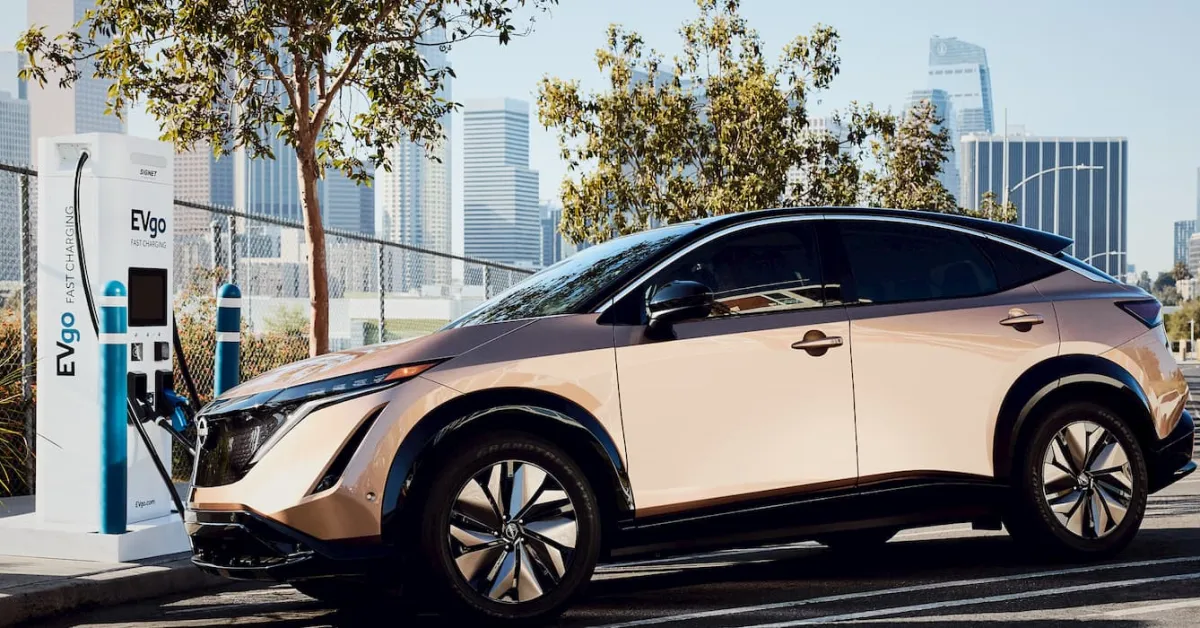
Japan’s Nissan Motor is reportedly in talks with Taiwan’s Foxconn to allow the electronics giant to manufacture electric vehicles (EVs) at Nissan’s Oppama plant in Yokosuka, south of Tokyo. This move could potentially save the factory from closure amid Nissan’s broad restructuring efforts.


Background:

Nissan CEO Ivan Espinosa announced plans to restructure the company, including closing seven out of 17 factories worldwide and cutting the workforce by roughly 15%. The Oppama plant, which employs about 3,900 workers, was among those considered for shutdown.

Potential Deal:

  • Allowing Foxconn to produce EVs at Oppama could help avoid the plant’s closure, preserving jobs and supporting local suppliers.

  • Foxconn is also reportedly considering acquiring a portion of the Oppama facility.

  • In May, Mitsubishi Motors, Nissan’s junior partner, signed a memorandum with a Foxconn subsidiary for Foxconn to supply an EV model.

Official Statements:

Nissan said the Nikkei report on the talks was not based on information officially released by the company. Foxconn did not respond to requests for comment.

China Urges Cautious but Rapid Development of Assisted-Driving Technology

China’s automakers are rapidly advancing assisted-driving technology, eager to capture a growing market. However, Beijing is pushing for a balanced approach—accelerate innovation but ensure safety and accountability.


Key Points:

  • Rapid Innovation, Careful Oversight: Chinese regulators are finalizing new safety rules for driver-assistance systems following a fatal crash involving a Xiaomi SU7 sedan in March, which killed three occupants shortly after the driver resumed control from the system.

  • Regulatory Approach:

    • China bans terms like “smart” and “autonomous” in marketing to avoid overselling capabilities.

    • Current rules allow automatic steering, braking, and acceleration only with driver engagement.

    • New regulations will require hardware/software to monitor driver alertness and control readiness.

  • Collaboration and Public Input:

    • Regulators worked with Dongfeng and Huawei to draft rules, with public consultation ending recently.

    • Plans to resume Level 3 validation tests this year after being paused post-Xiaomi crash; the first Level 3 vehicle approval expected in 2026.

  • Level 3 Ambitions:

    • Level 3 allows drivers to take eyes off the road under certain conditions—midway between basic driver-assist and full autonomy.

    • China has promoted Level 3 tests and aims to be a global leader in assisted-driving tech.

  • Industry Competition:

    • China’s automakers like BYD and Zeekr are aggressively pushing Level 2 and Level 3 tech, often offering features at low or no additional cost.

    • At the Shanghai auto show, Huawei and Geely’s Zeekr highlighted Level 3 readiness.

    • Traditional foreign automakers like Mercedes-Benz and Volkswagen focus on advanced driver-assist features but hold back on Level 3 due to higher costs and liability concerns.

  • Safety and Liability:

    • New regulations hold manufacturers and suppliers liable for accidents caused by system failures, similar to recent UK legislation.

  • Strategic Context:

    • China is using this push to support its domestic auto industry, much like its earlier backing of electric vehicles.

    • Over 60% of new cars sold in China this year are estimated to include Level 2 driver-assist features.


Expert Insights:

Markus Muessig of Accenture Greater China notes that China’s “feel the stones to cross the river” approach—steady, cautious exploration of new tech—has been effective. Meanwhile, Mercedes-Benz’s CTO Markus Schaefer highlights the ongoing challenges with balancing cost and safety requirements for Level 3 systems.