Yazılar

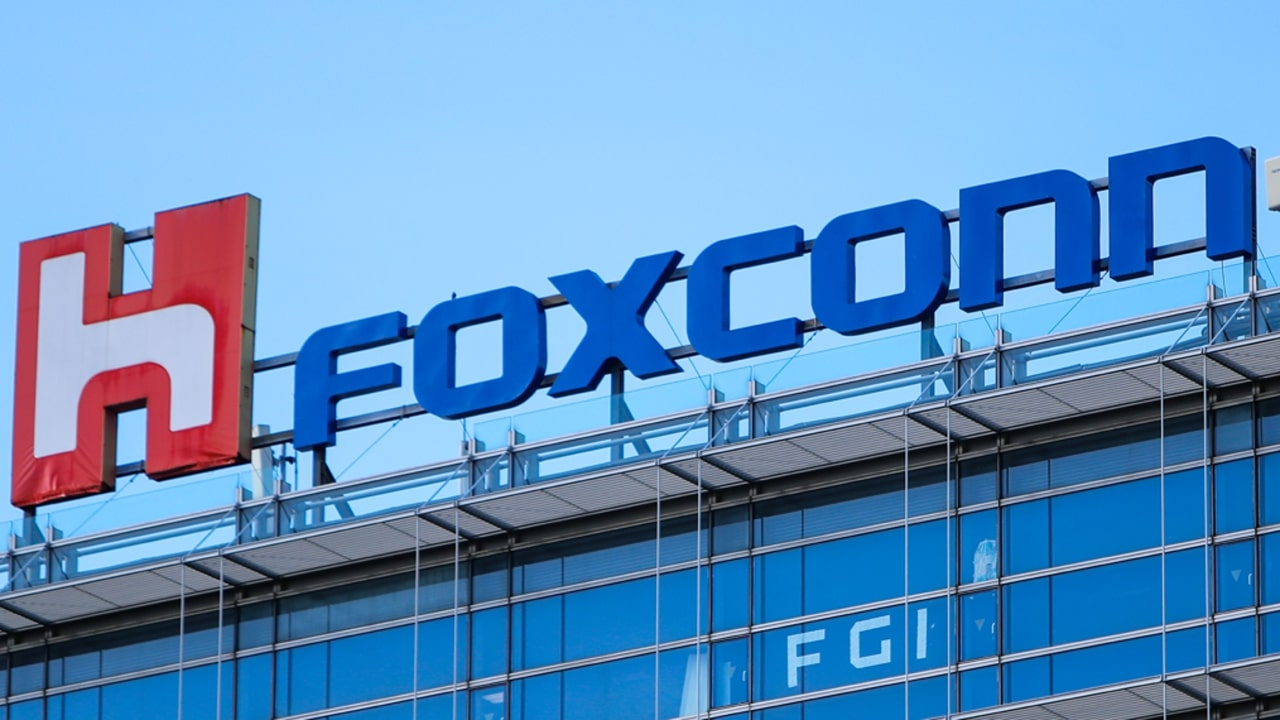
Foxconn Open to Buying Stake in Nissan for Potential Cooperation

Foxconn (2317.TW), Taiwan’s leading electronics manufacturer, has expressed interest in purchasing a stake in Nissan (7201.T), but emphasized that its primary goal is to collaborate rather than invest in the automaker. Chairman Young Liu stated on Wednesday that Foxconn would consider buying shares if cooperation with Nissan required it, but reiterated that acquiring shares was not their main focus.

Foxconn is in discussions with Renault (RENA.PA), Nissan’s largest shareholder, about potential collaboration. These comments come amid uncertainty surrounding Nissan’s future after it stepped away from merger talks with rival Honda (7267.T), which would have created the world’s fourth-largest automaker.

Sources have indicated that Nissan and Honda, who had been exploring a merger, are expected to announce the end of their talks on Thursday due to growing differences between the two companies. This deal would have been a significant shift in an automotive industry facing mounting pressure from electric vehicle (EV) manufacturers, particularly China’s BYD (002594.SZ).

In light of the changing landscape, Nissan is reportedly open to partnerships with new players, including Foxconn, which is best known for its role as Apple’s primary iPhone manufacturer. While Foxconn seeks to diversify its business, it is not looking to establish itself as an automotive brand. Instead, it intends to offer commissioned design and manufacturing services for electric vehicles.

Neither Nissan nor Renault has commented on Foxconn’s chairman’s statements regarding potential collaboration.

Stellantis Expands AI Partnership with Mistral to Accelerate Industry Data Analysis

Stellantis, the world’s fourth-largest carmaker, has announced the expansion of its strategic partnership with French AI firm Mistral. The move aims to enhance Stellantis’ capabilities in industry data analysis, which is crucial as automakers increasingly turn to AI to optimize processes such as customer feedback analysis, manufacturing quality control, and the rapid development of new products.

Ned Curic, Stellantis’ Chief Engineering and Technology Officer, emphasized the efficiency boost AI brings, saying, “Instead of waiting for analysis for weeks, we can do that in minutes and make a decision in the afternoon.” This AI-powered speed could revolutionize decision-making in the automotive industry, improving operational efficiency and time-to-market for new innovations.

Earlier this month, Stellantis also undertook management changes, following the surprising exit of CEO Carlos Tavares in December. These organizational shifts are part of a broader strategy to strengthen the company’s position in the fast-evolving automotive sector.

Mobileye Predicts Lower 2025 Revenue Amid China Market Challenges

Mobileye has forecast lower-than-expected revenue for 2025, citing continued weakness in the Chinese market due to increasing competition from local self-driving technology providers. The company expects revenue between $1.69 billion and $1.81 billion, falling short of the $1.94 billion analyst consensus from LSEG data.

Chinese manufacturers have been developing their own advanced driver-assistance systems (ADAS) at lower costs, limiting Mobileye’s shipments to the region. In December, the company noted that its major automotive customers were losing market share in China as local automakers ramped up production of more affordable electric vehicles (EVs).

While shipment volumes of Mobileye’s EyeQ chips in China have improved compared to 2024, they remain sluggish, executives stated in a post-earnings call on Thursday. The recent reintroduction of Chinese government EV subsidies could stimulate demand, but the impact remains uncertain.

Despite these challenges, Mobileye reported fourth-quarter revenue of $490 million, surpassing the $477.8 million estimate but marking a 23% decline from the previous year. The drop was attributed to lower demand for its EyeQ chips as automakers continue to work through excess inventory.

Looking ahead, Mobileye remains optimistic about 2025, stating that its ongoing tests with potential customers for its assisted driving technology “will bear fruit” next year. The company also dismissed concerns that legacy automakers will fully develop their own in-house driver assistance systems, as many are reassessing their EV strategies amid slowing demand.

On an adjusted basis, Mobileye posted earnings of 13 cents per share in the fourth quarter, exceeding estimates of 11 cents. However, gross profit declined by 30% during the same period.