Yazılar

Tariff Concerns Overshadow Tech and Auto Innovation at CES 2025

As CES 2025, one of the largest tech and auto trade shows, prepares to open in Las Vegas from January 7 to 10, an unusual topic is dominating discussions: tariffs. With President-elect Donald Trump’s inauguration days away and his proposed tariffs on imports from countries like Canada, Mexico, and China looming large, attendees are bracing for tough questions about potential economic fallout.

The trade show, known for unveiling cutting-edge automotive technology, quirky gadgets, and advancements in artificial intelligence (AI), is now becoming a platform to address the cost challenges posed by tariff threats. Strategy consultant Deborah Weinswig, CEO of Coresight Research, noted that the issue has surfaced in nearly every pre-CES conversation with clients.

Tariffs and Supply Chains in the Spotlight

Companies showcasing their latest innovations are likely to face scrutiny over their supply chains and manufacturing processes. Analysts predict questions about whether businesses are considering moving production to the U.S. to mitigate tariff impacts—an expensive and time-intensive solution.

For instance, Honda, which sends 80% of its Mexican vehicle output to the U.S., has already warned it may need to shift production if permanent tariffs are imposed. According to Edmunds, nearly half of new cars sold in the U.S. are made abroad, along with a substantial share of parts in domestically assembled vehicles. S&P Global estimates that European and American automakers could lose up to 17% of their combined annual core profits if tariffs are levied on imports from Europe, Mexico, and Canada.

Economic Strain on the Auto Industry

In addition to tariff concerns, the auto industry faces challenges from weaker-than-expected demand for electric vehicles (EVs). Trump’s plans to roll back policies promoting EV adoption further compound the difficulties. Felix Stellmaszek, an automotive expert at Boston Consulting Group, emphasized the precarious position of suppliers operating on razor-thin margins. The combination of tariffs, supply-chain uncertainties, and labor shortages has pushed companies into “hyper mode” for scenario planning.

Focus on Tech and AI Innovations

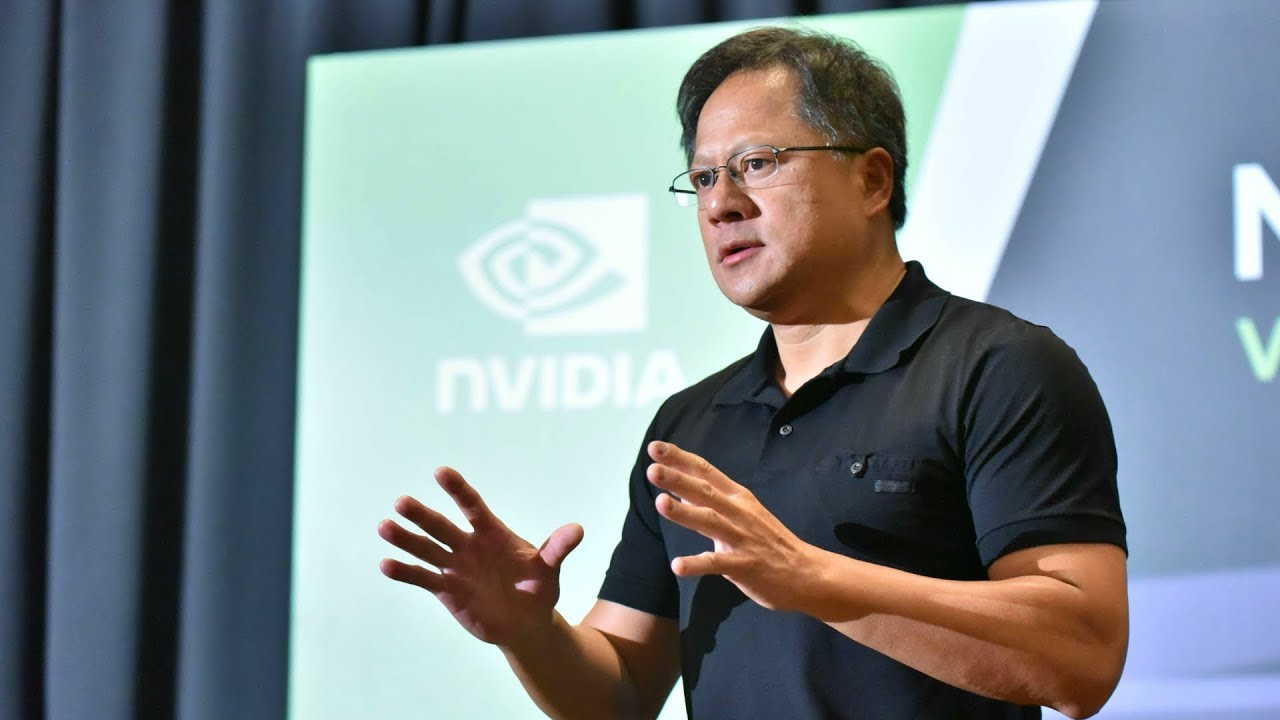
Despite economic uncertainties, CES 2025 remains a showcase for advancements in AI, self-driving technology, and software-driven automotive enhancements. Keynote speakers, including Nvidia CEO Jensen Huang and Volvo Group CEO Martin Lundstedt, are expected to unveil innovations that aim to make vehicles smarter, safer, and more efficient.

However, discussions surrounding tariffs are expected to dominate policy sessions, press conferences, and informal talks. Industry leaders such as Toyota, Bosch, and Continental are also expected to provide updates on how they are adapting to rising costs and preparing for potential policy shifts.

A Complex Outlook

The intersection of technology and economic policy is shaping CES 2025 in unprecedented ways. Questions remain about how companies can collaborate across supply chains, mitigate rising costs, and leverage technology to navigate uncertainty. “There’s still so much that’s unknown,” Weinswig remarked. “Everyone is trying to figure out every possible scenario.”

Carlos Ghosn Warns of “Carnage” for Nissan in Honda Merger

Carlos Ghosn, the former CEO of Nissan, has raised concerns about the potential consequences of a merger between Nissan and Honda, predicting that Nissan would bear the brunt of the cost-cutting measures. In an interview with CNBC, Ghosn expressed his belief that Honda would take control in the merger, which he described as “sad” considering his long tenure at Nissan. He emphasized that there is little complementarity between the two automakers, and any synergies would likely come through cost reductions and duplication of plans and technologies, which would harm Nissan, the “minor partner.”

Ghosn, who led Nissan for 19 years and was instrumental in its growth, criticized the lack of alignment between Nissan and Honda, suggesting that the merger would lead to significant layoffs and operational cuts at Nissan. He also pointed out that Nissan’s former partnership with Renault offered more complementarities, implying that the Nissan-Honda merger was not as strategically sound.

The merger speculation gained traction earlier this month, and both companies confirmed their talks on Monday. The proposed merger would result in a $54 billion entity, with Honda assuming the dominant role due to its significantly larger market capitalization. If successful, the combined group would become the world’s third-largest automaker, surpassing Hyundai. However, both Nissan and Honda executives have stressed that the merger would create economies of scale, particularly in the electric vehicle (EV) transition, and deliver long-term profitability.

Despite these assurances, concerns remain about the merger’s viability. Nissan is undergoing a major restructuring, which includes cutting production capacity and laying off 9,000 employees, while Honda’s CEO acknowledged that some shareholders may see the deal as a form of support for Nissan’s struggles. Ghosn suggested that Nissan’s move towards the merger indicated a sense of desperation, as the company appears unable to resolve its issues independently.

Investor reactions have mirrored these concerns. Kei Okamura, a portfolio manager at Neuberger Berman, noted that while the merger’s long-term vision seems promising, the integration process would be crucial to its success. He emphasized the uncertainty around the merger’s execution, particularly the challenges of integrating the companies’ assets, cultures, and people. Okamura also noted that the deal could fall through if Nissan’s restructuring efforts fail to yield results.

Both Nissan and Honda have declined further comment on Ghosn’s statements or the merger plans.


European Battery Hopes Depend on Chinese Partnerships Post-Northvolt Collapse

The collapse of Northvolt has not entirely derailed Europe’s ambitions to develop its own electric vehicle (EV) battery industry, but the continent’s progress now increasingly relies on Chinese investment and expertise.

Slovakian startup InoBat exemplifies this shift. The company faced funding challenges until Gotion, China’s fifth-largest battery maker, acquired a 25% stake and entered a joint venture with InoBat to build gigafactories in Europe. On Friday, InoBat announced €100 million ($104 million) in Series C funding, pushing its total capital raised to over €400 million. This development, coming shortly after Northvolt’s financial troubles, signals that European EV battery projects can still attract investors—albeit often with significant Chinese backing.

Executives and analysts suggest that future European battery ventures are likely to involve joint ventures with Chinese firms, mirroring the Gotion-InoBat partnership and a recent agreement between Stellantis and CATL. According to Lacie Midgely, a research analyst at Panmure Liberum, institutional investors now seek strategic partnerships before committing to funding.

China’s dominance in battery production is evident in companies like Gotion, which boasted a production capacity of 150 gigawatt hours (GWh) in 2023, enough to power up to 2 million cars. By 2025, this figure is expected to reach 270 GWh, far outpacing Europe’s current capabilities.

Partnerships and Progress

The Gotion-InoBat Batteries (GIB) joint venture has proven advantageous for InoBat, securing investor confidence by leveraging Gotion’s experience and scale. Vikram Gourineni, executive director at Indian battery maker Amara Raja—a key investor in InoBat’s latest funding round—highlighted that automakers prefer proven large-scale capabilities to mitigate risks in their EV programs.

InoBat operates a pilot production line in Voderady, Slovakia, and is building a high-performance 4 GWh gigafactory. The company also plans a $1.2 billion, 20 GWh facility in Surany, Slovakia, slated to supply batteries for 200,000 EVs annually starting in 2027. Volkswagen, which owns a 24.45% stake in Gotion, is a major partner, with Slovak government aid contributing €214 million to the project.

GIB’s strategy focuses on low-cost, high-volume production, leveraging Slovakia’s automotive manufacturing hub and proximity to major German, Czech, and Hungarian markets.

Challenges for Independent European Projects

Northvolt’s failure to compete with Chinese giants like BYD and CATL has cast doubt on other independent European battery startups. In 2024, at least eight companies postponed or canceled European EV battery projects, while the continent’s projected battery pipeline capacity through 2030 fell by 176 GWh, according to Benchmark Minerals.

However, some projects show promise. French startup Verkor, backed by Renault, has raised €3 billion to build a 16 GWh gigafactory in Dunkirk, expected to produce batteries for 300,000 EVs annually by 2028. Meanwhile, UK-based Ilika focuses on licensing its solid-state battery technology rather than building gigafactories, catering to niche markets such as medical devices and potentially EVs.

The Role of Chinese Expertise

European startups increasingly rely on Chinese partners to navigate technical and financial hurdles. Gotion’s collaboration has accelerated InoBat’s development, enabling faster problem-solving and cost management. CEO Marian Bocek noted that InoBat’s high-performance batteries are undergoing testing by premium automakers like Ferrari, while its GIB joint venture ensures large-scale production.

Analysts like Andy Leyland of SC Insights suggest that automakers and investors prefer de-risking production by relying on the expertise of established Asian battery manufacturers. “The Chinese have mastered low-cost mass production, so if you want batteries made, most likely Asian battery makers will make them,” Leyland said.

Despite these challenges, Europe’s battery ambitions remain alive, albeit increasingly intertwined with Chinese partnerships that provide the scale and expertise necessary to meet growing EV demand.