Yazılar

Honda and Nissan in Talks for Potential Merger Amid Rising Competition

Honda and Nissan are reportedly in discussions to deepen their partnership, which could include a possible merger, according to sources on Wednesday. This move signals the increasing pressure on Japan’s automotive industry as it faces fierce challenges from EV leaders like Tesla and emerging Chinese automakers such as BYD.

Potential Scale of the Merger

If a merger proceeds, the combined entity would be valued at $54 billion, producing 7.4 million vehicles annually, ranking it as the world’s third-largest automaker behind Toyota and Volkswagen. The two companies already entered a strategic partnership in March to collaborate on electric vehicle (EV) development. However, worsening financial difficulties for Nissan have created urgency for closer ties.

Nissan’s Struggles and the Case for Collaboration

Nissan has been grappling with declining sales in the U.S. and China, which led to an 85% plunge in Q2 profits. Last month, the company announced a $2.6 billion cost-cutting plan, including eliminating 9,000 jobs and reducing production capacity by 20%. Analysts suggest the merger could serve as a rescue move for Nissan while also helping Honda address future challenges in EV development and cash flow.

“Honda’s EV ventures have struggled, and its cash flow could deteriorate next year. This deal, while aiding Nissan, is also forward-looking for Honda,” said Sanshiro Fukao, an executive fellow at Itochu Research Institute.

Market Reactions

The possibility of a merger caused Nissan shares to surge 24%, while Honda shares dropped 3%. Mitsubishi Motors, in which Nissan holds a 24% stake, saw its shares climb nearly 20%. The news also boosted shares of Renault, Nissan’s largest shareholder, by 6.7%.

Broader Challenges in the Auto Industry

The discussions come amidst intensifying global competition. An EV price war initiated by Tesla and BYD has created additional pressure on automakers struggling to stay competitive in the next-generation vehicle market. Moreover, geopolitical concerns, including U.S. President-elect Donald Trump’s threats of heavy tariffs on vehicles imported from Canada and Mexico, add to the uncertainty.

A Honda-Nissan merger could provide a new competitive axis against Toyota, which dominates the Japanese auto market. However, experts warn that such a partnership must overcome significant obstacles.

Cultural and Strategic Challenges

Analysts highlight potential difficulties in reconciling the different corporate cultures of Honda and Nissan. Honda is known for its technology-focused approach, particularly in powertrains, while Nissan’s recent struggles have raised concerns over its strategic direction.

“Mergers between major automakers rarely yield significant benefits due to culture clashes and strategy misalignments,” stated S&P Global Ratings. Tang Jin, a senior researcher at Mizuho Bank, added, “Honda’s tech-driven culture may resist a merger with a struggling competitor like Nissan.”

Broader Implications and Next Steps

The automakers are reportedly exploring ways to collaborate, such as establishing a holding company, with the possibility of a full merger under discussion. Additionally, there are plans for deeper cooperation with Mitsubishi.

Renault, Nissan’s largest shareholder, has expressed openness to a deal but will examine its implications. Meanwhile, Taiwan’s Foxconn, which has been expanding into EV manufacturing, unsuccessfully approached Nissan with a bid to take a controlling stake.

The three Japanese automakers are expected to hold a joint press conference on Monday in Tokyo, potentially to outline their plans for deeper collaboration.
 

European Carmakers Raise Petrol Prices, Discount EVs Amid Stricter Emissions Rules

Europe’s automakers are adjusting pricing strategies ahead of stricter EU emissions rules set to take effect on January 1, raising prices on petrol cars while offering discounts on electric vehicles (EVs) to close the sales gap and avoid significant fines.

Looming Challenges: New Emission Targets

The European Union will impose lower carbon dioxide (CO₂) emission caps next year, requiring at least 20% of automakers’ sales to be EVs. This marks a sharp increase, as EVs currently account for just 13% of all vehicle sales in the region, according to data from the European Automobile Manufacturers’ Association (ACEA).

The stricter rules arrive at a difficult time for the industry, with carmakers battling overcapacity, stagnant demand, and rising competition from Chinese automakers. Executives have raised alarms over the impact on profits. Stellantis CEO Carlos Tavares‘s recent resignation partially stemmed from disagreements about managing these challenges.

Automaker Response: Price Hikes and Discounts

Volkswagen, Stellantis, and Renault have increased the prices of petrol engine vehicles in recent months while keeping electric models stable or discounted. Analysts suggest this move aims to nudge consumers toward EVs to meet CO₂ targets and avoid billions in potential fines.

For instance:

  • Stellantis’s Peugeot raised prices on non-EV models in France by up to 500 euros.
  • Renault added 300 euros to some petrol models, such as the Clio SCE 65, while keeping hybrid prices unchanged.
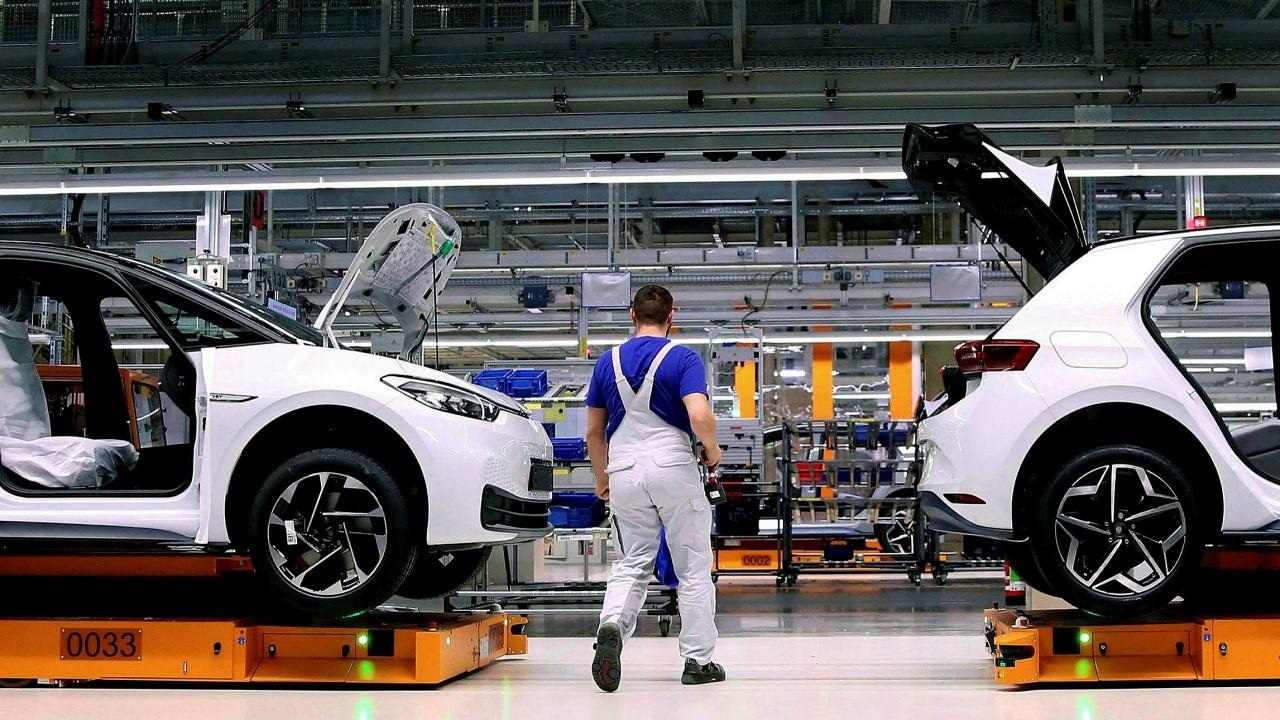
  • Volkswagen lowered the price of its ID.3 compact EV in multiple markets, bringing it below 30,000 euros in Germany.

While this strategy may steer demand, industry insiders warn it could backfire. Raising petrol car prices could reduce production volumes, further straining suppliers and the value chain without guaranteeing sufficient EV sales growth.

Profit Pressure and Discounts

The price hikes are expected to indirectly fund EV discounts, which are seen as critical to boosting adoption but will erode automaker margins. Analysts at S&P Global note that combustion-engine buyers effectively subsidize EV buyers through these pricing shifts.

In the UK alone, automakers anticipate EV-related targets will cost around £6 billion this year, with £4 billion attributed to discounts alone.

Pooling Emissions to Avoid Fines

To sidestep fines, some carmakers are turning to “pooling” strategies, where companies with high emissions buy credits from brands with stronger EV portfolios.

  • For example, Japan’s Suzuki partnered with Geely-owned Volvo to meet 2025 targets, significantly lowering Suzuki’s exposure to penalties.

This approach, while less costly than heavy discounts, remains another strain on profits.

Industry Pushback

Amid these mounting pressures, automakers are urging EU policymakers to reconsider the aggressive targets. Luc Chatel, president of French car lobby PFA, expressed frustration: “I can’t sell enough electric vehicles and I’m going to be penalized on my thermal vehicles. What do they want me to make, horse-drawn carriages?”

Looking Ahead

While EU regulators show little sign of easing rules, EV sales are forecast to climb significantly. GlobalData projects a 41% jump in EV sales across Europe next year, reaching 3.1 million units in 2025. Still, automakers face a balancing act of steering consumer demand, protecting margins, and avoiding fines.


Tim Kuniskis Rejoins Stellantis to Lead Ram Brand After CEO’s Exit

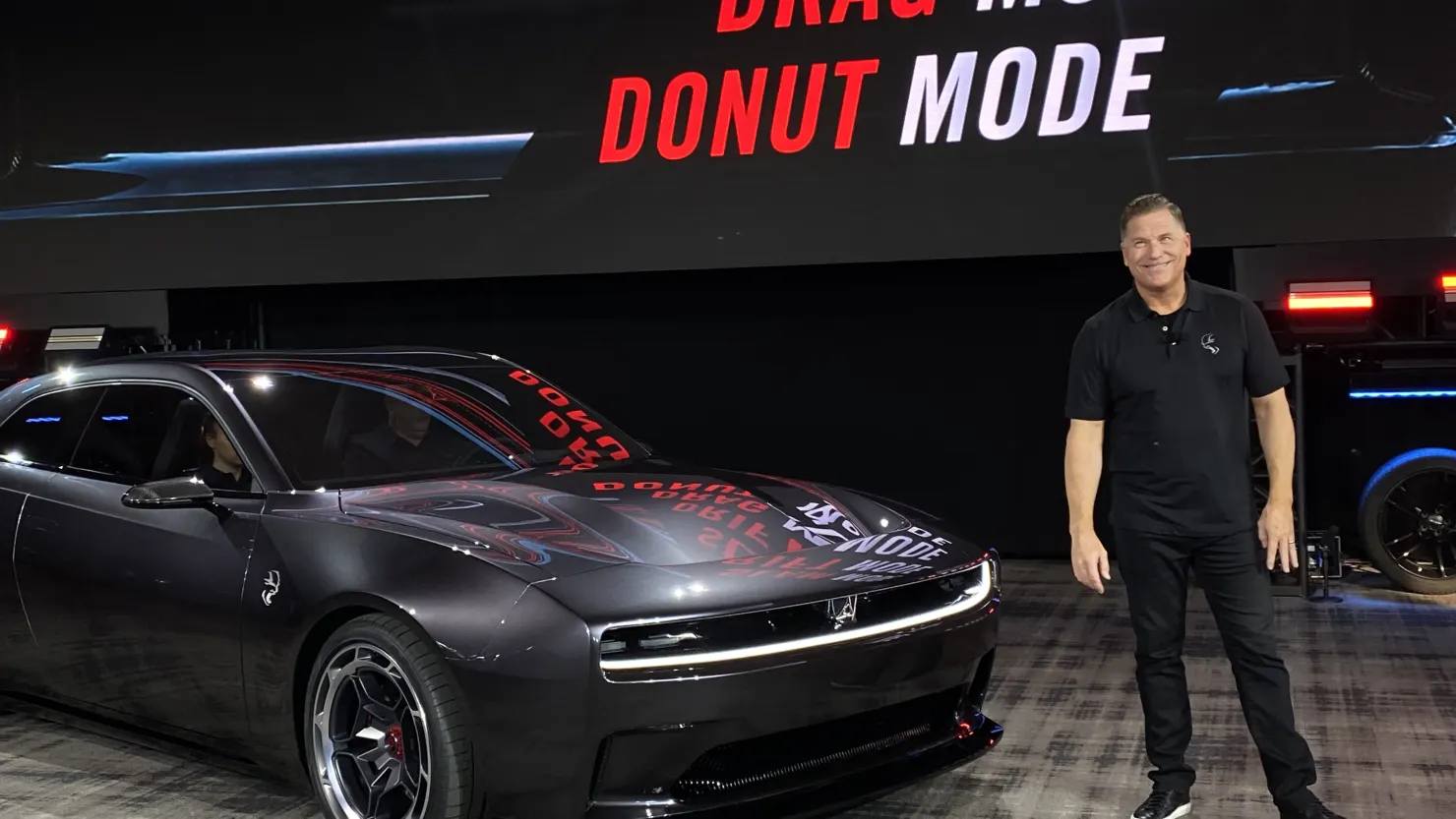
Tim Kuniskis, a prominent Stellantis executive, is returning to the automaker with immediate effect, CNBC has confirmed. Kuniskis, who retired in May, will resume leadership of the Ram Trucks brand, according to sources familiar with the decision. The announcement, which was shared with Stellantis employees on Monday, follows the unexpected resignation of CEO Carlos Tavares just a week earlier, amid challenges in the company’s North American market.

In a statement, Stellantis emphasized that the restructuring would help the company achieve better results in the region and capitalize on the potential of the Ram brand. The company noted that having a CEO dedicated solely to Ram would be a key part of this strategy.

Kuniskis is well-regarded for his previous leadership of the Ram and Dodge brands at Stellantis. He is especially recognized for his role in bringing the high-performance Hellcat models to Dodge, helping the brand become synonymous with American muscle cars. Kuniskis also led the introduction of the Hellcat-powered Ram TRX pickup truck, further cementing his legacy as a key figure in Stellantis’ North American operations.

His return is part of broader changes within Stellantis’ North American leadership. Chris Feuell will now oversee both Chrysler and Alfa Romeo, while Jeff Kommor will focus solely on North American sales. Meanwhile, Larry Dominique, previously in charge of Alfa Romeo for North America, is set to depart.

Kuniskis’ return to Stellantis comes at a time when the company is grappling with a decline in U.S. sales, particularly for the Ram brand, which saw a 24% drop in sales through the third quarter of 2024.