Yazılar

Jaguar Unveils ‘Type 00’ Concept Car Amidst Controversial Rebranding Efforts

INTRODUCTION

British luxury carmaker Jaguar introduced its “Type 00” all-electric concept car, marking the first step under its newly reimagined brand identity. The reveal follows a divisive rebranding campaign that has sparked both praise and criticism, as Jaguar moves to position itself as an all-electric brand by 2026.


KEY DETAILS

The ‘Type 00’ Concept Car

  • Design Features:
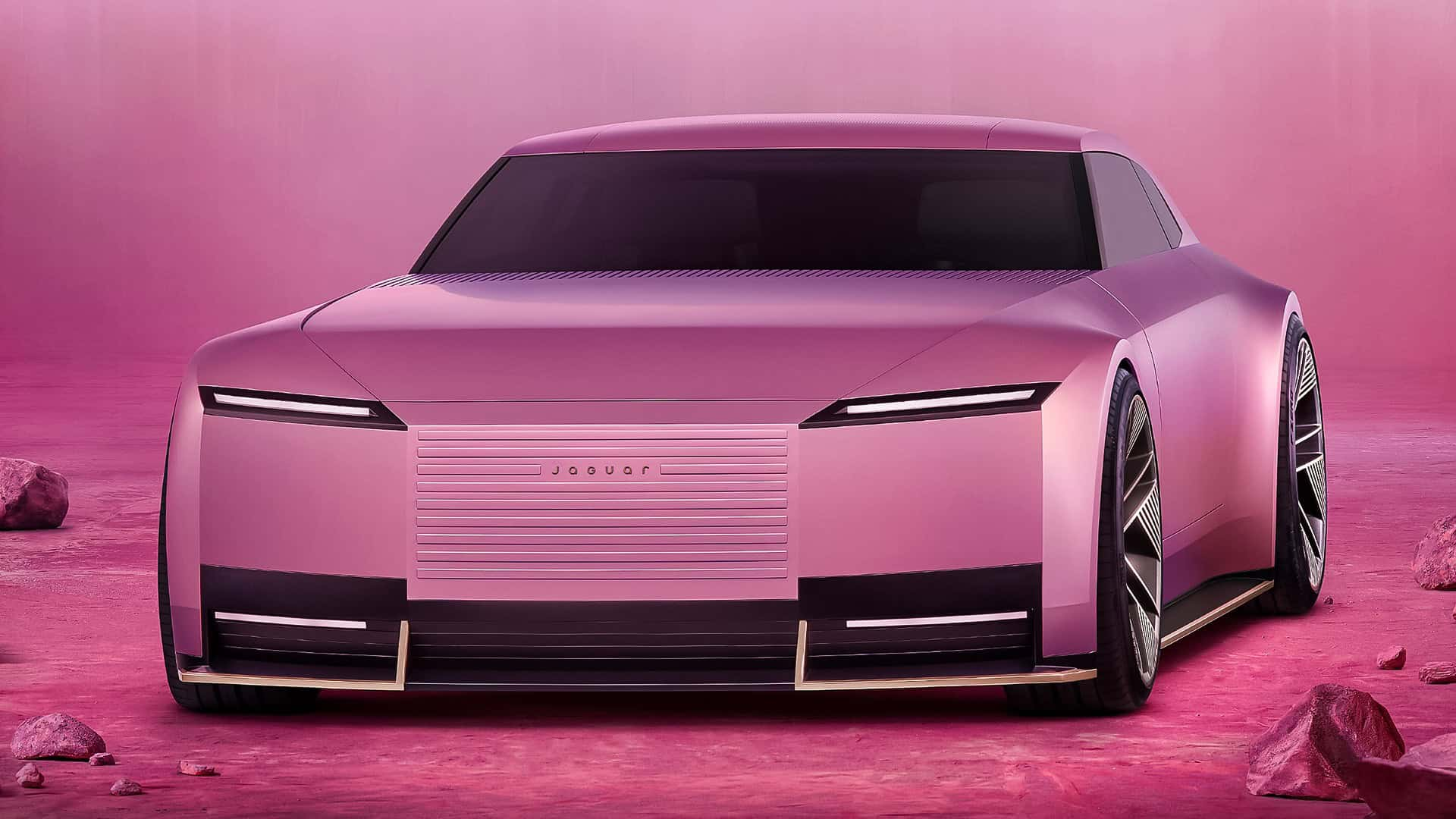
    • The “Type 00” concept boasts a minimalist, boxy design with sleek lighting and oversized wheels, diverging significantly from Jaguar’s traditionally sporty aesthetic.
    • While concept cars like the “Type 00” are not intended for consumer sale, they provide insight into the company’s future design language.
  • Future EV Plans:
    • Jaguar plans to launch a four-door electric GT resembling the “Type 00” concept by 2024.
    • The production EVs are projected to offer a range of up to 430 miles per charge and rapid charging capabilities, adding 200 miles of range in just 15 minutes.

Rebranding Efforts and Backlash

  • “Copy Nothing” Campaign:
    • Jaguar unveiled a new logo, fonts, and an artistically flamboyant ad campaign featuring diverse models in a vivid landscape, but notably absent were cars.
    • The ad drew significant criticism online, with detractors calling it “woke” and lamenting the removal of the iconic Jaguar logo.
  • Company Response:
    • Jaguar defended the campaign, describing it as a bold reinvention designed to move away from “traditional automotive stereotypes.”
    • Managing Director Rawdon Glover addressed the backlash, condemning “vile hatred” expressed by some critics while denying that the campaign represented “woke” values.

Transition Challenges

  • Electric-Only Ambitions:
    • Jaguar plans to halt all new car sales in the UK until its relaunch as an electric-only brand in 2026, aligning with broader industry trends.
    • However, this transition comes amid slower-than-anticipated EV adoption globally, a challenge faced by many automakers shifting to electric models.

ANALYSIS

Strategic Risks and Rewards

Jaguar’s ambitious move to redefine itself could reinvigorate its identity in a competitive luxury EV market but risks alienating its traditional customer base. The “Type 00” concept represents a daring departure from its iconic heritage, signaling the brand’s willingness to innovate.

Market Positioning

The transition to electric vehicles positions Jaguar alongside luxury competitors embracing sustainability. However, Jaguar’s price-point adjustment and the high expectations for its new models will be critical in securing its foothold.

Public Perception

While the rebranding campaign succeeded in garnering attention, its polarizing nature underscores the challenge of balancing modern reinvention with legacy preservation. Jaguar’s next steps will likely determine whether it can win back skeptical consumers while appealing to a new demographic.


CONCLUSION

Jaguar’s unveiling of the “Type 00” concept car and its controversial rebranding campaign mark a pivotal moment in its transformation toward an all-electric future. As the company navigates the dual challenges of innovation and customer retention, the success of its upcoming EVs and marketing strategies will shape its legacy in the electric age.

Mexico Warns of U.S. Job Losses and Retaliation Over Trump’s Proposed Tariffs

Mexican President Claudia Sheinbaum issued a strong warning on Wednesday regarding U.S. President-elect Donald Trump’s proposed 25% tariff on Mexican imports. Mexico estimates the measure could result in 400,000 job losses in the United States and significantly raise costs for American consumers.

“If U.S. tariffs are implemented, Mexico will respond with its own tariffs,” Sheinbaum stated at a press conference, emphasizing Mexico’s readiness to retaliate against the policy. She was joined by Economy Minister Marcelo Ebrard, who called for increased regional cooperation instead of a “war of retaliatory import taxes.” Ebrard described the tariffs as “a shot in the foot” that would harm the U.S. economy by violating the USMCA trade agreement and increasing costs for American companies producing in Mexico.

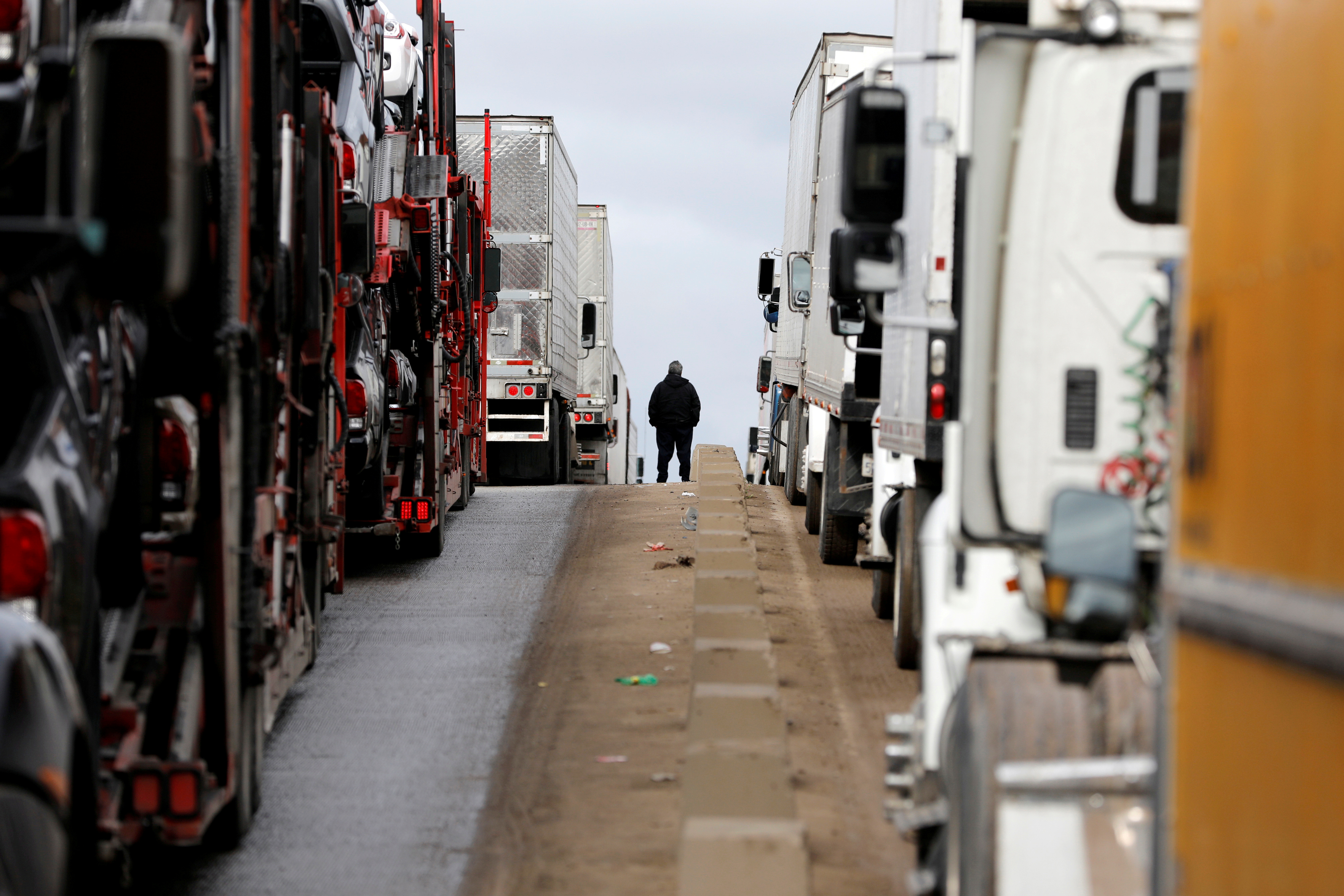
Ebrard highlighted the significant impact on the automotive industry, which heavily relies on cross-border trade. He noted that 88% of pickup trucks sold in the U.S. are made in Mexico and warned of a $3,000 average price increase per vehicle—costs that would hit rural voters, many of whom supported Trump.

Trump justified the proposed tariffs as a means to combat drug trafficking, particularly fentanyl, and to curb migration into the U.S. He claimed on Truth Social that Sheinbaum agreed to work on controlling migration through Mexico. Sheinbaum later clarified on X (formerly Twitter) that Mexico’s focus was on addressing migration before individuals reached the U.S.-Mexico border, adding, “Mexico’s stance is not to close borders, but to build bridges.”

The proposed tariffs could have wide-reaching implications for North American trade. Mexico’s automotive sector, responsible for 25% of regional vehicle production, would face significant disruptions. Analysts at Barclays warned that the tariffs could “wipe out all profits” for major automakers like Ford, GM, and Stellantis. The Institute of International Finance cautioned that such measures might lead to protectionism, threatening regional economic stability.

Despite the tensions, some analysts see the tariff threats as a negotiating tactic rather than a firm policy decision. David Kohl, chief economist at Julius Baer, noted that Trump appears to be using tariffs to achieve goals beyond trade.

With the USMCA up for review in 2026, experts suggest the trade agreement could undergo renegotiation rather than simple renewal. Katia Goya of Grupo Financiero Banorte predicted lower economic growth, higher unemployment, and increased inflation in the U.S. if trade conflicts escalate.

Ebrard underscored the importance of regional unity, stating, “We can fragment and divide with tariffs, or we can build a stronger region. Mexico chooses cooperation, not conflict.”


European Companies Announce Job Cuts Amid Economic Slowdown

Overview of Layoffs Across Key Sectors

As economic challenges persist across Europe, numerous companies have been forced to implement hiring freezes or reduce their workforce. Weak demand and uncertain market conditions are driving layoffs across industries. Below is a breakdown of significant announcements since August:


Banking Sector

  • DNB: The Norwegian lender plans to cut 500 full-time jobs within six months to address lower interest rates and heightened competition.
  • Santander: The Spanish bank will reduce over 1,400 jobs in its UK operations.
  • UniCredit: Italy’s banking union Fabi reported an agreement involving 1,000 voluntary redundancies and the creation of 500 new jobs.

Automotive Industry

  • Michelin: The French tyre manufacturer is shutting two facilities in Western France, impacting 1,250 jobs.
  • Schaeffler: The German car parts and machinery maker will lay off 4,700 employees due to reduced demand from auto and industrial clients.

Industrial and Engineering

  • Northvolt: The Swedish battery producer plans to cut 1,600 jobs.

Retail and Consumer Goods

  • Auchan: The French supermarket chain intends to eliminate over 2,000 positions due to declining store traffic.
  • Husqvarna: The Swedish garden equipment firm will cut approximately 400 jobs, citing constrained consumer spending.

Telecom Sector

  • Telia: The Swedish telecom operator aims to cut 3,000 positions in 2024.

Other Industries

  • Airbus: Up to 2,500 jobs in the Defence and Space division will be cut by mid-2026.
  • Equinor: The Norwegian energy producer plans to reduce its renewable energy staff by 20%.
  • Infineon: The German chipmaker will cut 1,400 jobs globally and relocate another 1,400 roles to lower-cost countries.
  • Lufthansa: The German airline will gradually reduce administrative jobs by 20%.
  • Mondi: A fire-damaged paper mill in Bulgaria will be shut down, affecting 300 jobs.
  • SMA Solar: Up to 1,100 global positions will be cut at the solar parts supplier.
  • Shell: The energy giant plans a 20% workforce reduction in its oil and gas exploration division.
  • Solvay: The Belgian chemicals company will reduce its workforce by 300-350 jobs across multiple countries.
  • Tamedia: The Swiss media company is shutting two printing works, affecting nearly 300 employees.
  • UPM: The Finnish forestry group may eliminate 110 jobs in Finland and has announced closures in Germany, impacting nearly 400 jobs.
  • Yara: The Norwegian fertilizer producer will shut an ammonia unit in Belgium, potentially cutting 115 jobs.

Key Drivers of Layoffs

Economic stagnation, inflation, and weak consumer demand are cited as primary reasons for workforce reductions. While some companies implement temporary measures, others are restructuring long-term operations in response to sector-specific challenges.