Yazılar

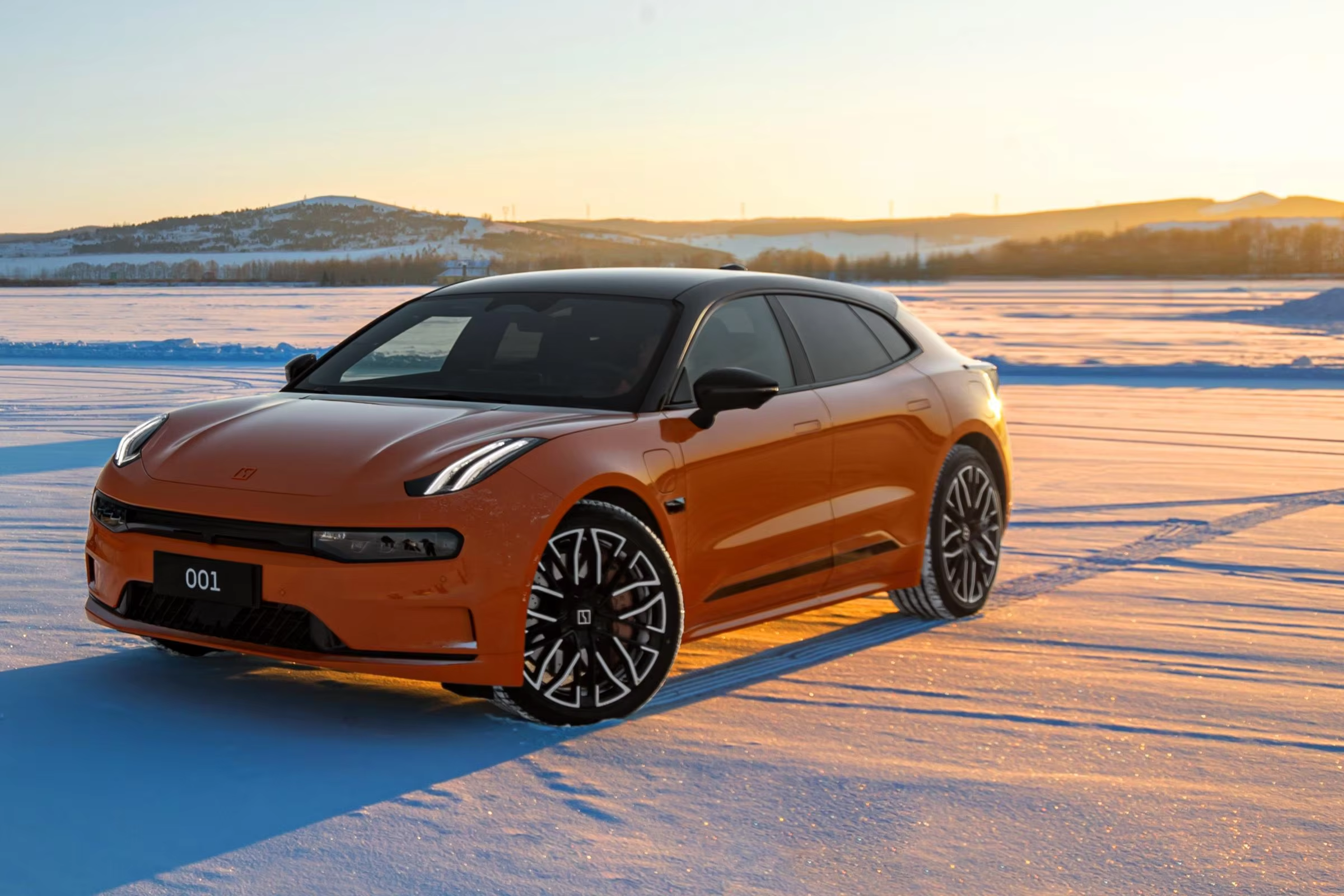
Geely Restructures with Zeekr Taking Control of Lynk in Major EV Realignment

China’s automotive giant Geely is undergoing a significant restructuring as its premium EV brand, Zeekr, is set to take control of Lynk & Co. This strategic move marks the first in a broader overhaul of Geely’s operations, aimed at streamlining costs and enhancing efficiency within the group. Historically known for rapid expansion through acquisitions, Geely now seeks to consolidate its resources, as indicated by Geely Holding Group Chairman Eric Li, who emphasized the need for deeper integration across brands to avoid overlap and redundant spending.

The restructuring will see Zeekr and Lynk form a new energy vehicle manufacturing group, targeting annual sales of over a million units — a significant increase from their combined sales of approximately 339,000 vehicles in 2023. Geely Automobile Holdings CEO Gui Shengyue highlighted the importance of integration to avoid internal competition and wasteful investment across research, development, and sales. Failing to do so, he noted, would weaken Geely’s competitive edge.

As part of the transaction, Zeekr will acquire a 30% stake in Lynk from Volvo Cars and an additional 20% from Geely Holding, giving it a majority stake. A capital injection will boost Zeekr’s stake to 51%, while Geely Auto will retain the remaining shares. This transaction, which values Lynk at roughly 18 billion yuan ($2.5 billion), is expected to be completed by June 2024. Volvo Cars’ shares rose by 3.5% following the announcement, reflecting investor optimism.

The integration strategy positions Zeekr to spearhead innovation in electric and connected vehicle technologies, sharing these advancements with Lynk and Polestar. Lynk’s product team has already begun reporting to Zeekr’s CEO Andy An, signaling a shift toward more shared technology and resources. This collaboration is anticipated to reduce research and development costs by 10% to 20% and material costs by 5% to 8% for both brands.

Additionally, Lynk’s established sales network in lower-tier cities will provide Zeekr with expanded market access, supporting its growth in China’s highly competitive EV market. The two brands already share vehicle architecture in Lynk’s Z10 and Z20 EV models, while Lynk’s gasoline and hybrid models are built on different platforms developed by Geely and Volvo Cars.

Lynk, launched in 2016, sold about 195,600 vehicles in the first nine months of 2023, marking a 40% increase over the previous year. Zeekr, a newer brand launched three years ago, sold nearly 143,000 cars in the same period, achieving an 81% year-on-year sales increase. Since its New York listing in May, Zeekr’s shares have surged nearly 40%, bringing its market value to $7.3 billion.

This strategic reorganization demonstrates Geely’s shift from aggressive expansion to a more cohesive operational model, with Zeekr’s control over Lynk aimed at reducing costs, improving capacity utilization, and driving Geely’s competitiveness in the growing EV sector.
 

Ford Cuts Profit Outlook, Faces Stock Drop

Ford Motor Co. announced on Monday that it now anticipates meeting only the lower end of its full-year profit expectations, leading to a 5% dip in after-hours stock trading. The automaker forecasts annual earnings before interest and taxes (EBIT) around $10 billion, down from the previous $10-12 billion target.

Financial Performance and EV Adjustments

Despite its weakened forecast, Ford’s third-quarter earnings came in slightly better than expected, with adjusted profits of $0.49 per share compared to analysts’ projections of $0.47. However, net income dropped to $900 million, or $0.22 per share, from $0.30 per share a year ago, influenced by a $1 billion charge incurred after the cancellation of a three-row electric SUV in August.

CEO Jim Farley’s strategic cutbacks in Ford’s electric vehicle (EV) segment reflect intensified competition from Tesla and emerging Chinese EV brands. The scrapped three-row EV, once projected as a “personal bullet train,” was ultimately deemed unprofitable within the necessary timeframe for EV business sustainability.

EV Losses and Cost-Cutting Initiatives

Ford’s electric vehicle segment is projected to incur a $5 billion loss this year, with an EBIT loss of $1.2 billion in the third quarter alone, raising the segment’s total loss for 2024’s first three quarters to $3.7 billion. Although the company made cost improvements totaling nearly $1 billion over the past year, industry-wide pricing pressures have limited visible gains.

Looking ahead, Ford remains committed to cutting $2 billion in annual expenses by year-end through reductions in materials, manufacturing, and freight costs. Chief Financial Officer John Lawler noted that pricing pressures are likely to persist, potentially offsetting cost gains.

Market Reactions and Competitor Insights

Ford’s stock has declined 6% this year, a relatively smaller drop than Jeep-manufacturer Stellantis, whose shares have fallen by 40%. Conversely, General Motors has led the “Big Three” automakers in stock performance, with shares up 47% following robust earnings and consistently improved financial guidance.


China’s Chery Assembles Cars in Russian Plants Vacated by Western Firms

Chinese automaker Chery has begun assembling cars in Russia at three factories vacated by Western companies, such as Volkswagen and Mercedes, following Russia’s invasion of Ukraine. As Chinese brands now dominate more than half of Russia’s car sales, Chery is expanding its role in the country’s manufacturing sector by importing nearly finished cars and completing assembly domestically. This development underscores China’s growing influence in Russia’s economy and industrial landscape.

Chery has taken over production lines once owned by Western firms, including Nissan, Volkswagen, and Mercedes-Benz. In St. Petersburg, the Nissan plant is now producing rebranded Chery models, like the Tiggo 7 SUV, which is being sold as the Xcite X-Cross 7 in Russia. In Kaluga, Tiggo crossovers are being assembled in a factory previously operated by Volkswagen. In the Moscow region, a plant formerly owned by Mercedes-Benz is producing Chery’s Exeed VX model, a luxury mid-size crossover.

Chery’s “semi knocked down” (SKD) strategy involves importing nearly complete vehicles to Russia, where the final assembly takes place at these facilities. Chery has already witnessed significant sales growth in Russia, nearly quadrupling its car sales to over 200,000 vehicles in 2023. With plans to enter more than 60 new markets in the coming years, the company is also poised to expand further, despite new tariffs imposed by the European Union on Chinese electric vehicles.

Russia, on the other hand, has been raising tariffs on car imports, making local assembly an attractive option for foreign manufacturers. This trend is part of a broader shift in Russia’s automotive industry as Chinese firms fill the gap left by Western brands. Although Chery has yet to confirm any plans to build or acquire its own factories in Russia, its expanding production in the country reflects growing collaboration between China and Russia amid ongoing geopolitical tensions.