Yazılar

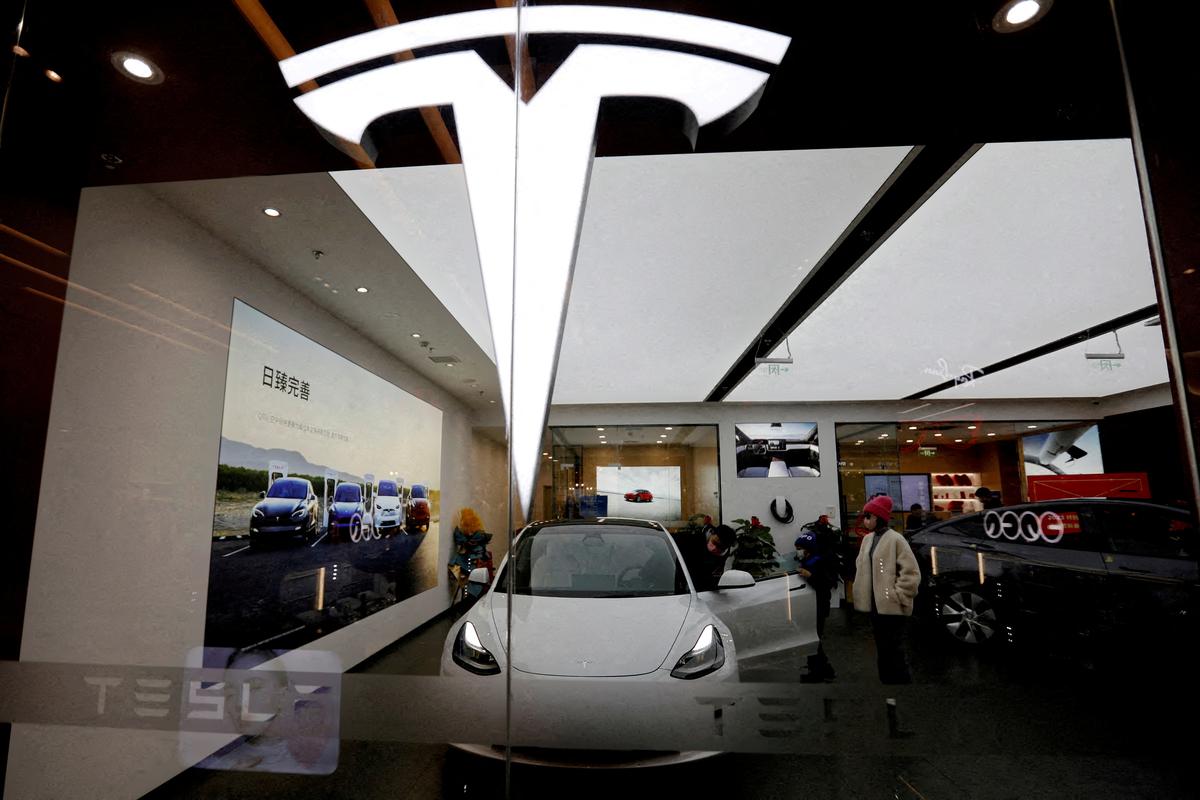
Tesla Asked by Texas Democratic Lawmakers to Delay Robotaxi Launch

A group of Democratic lawmakers from the Austin area has asked Tesla to postpone the launch of its robotaxi service until September, when a new autonomous-driving law is expected to take effect. The letter, sent on Wednesday, argues that delaying the rollout is in the best interest of public safety and would help build trust in Tesla’s operations.

Tesla CEO Elon Musk had indicated the robotaxi launch could happen as early as this Sunday. However, if Tesla moves forward with the launch this month despite the lawmakers’ request, they demand detailed information on how the company will comply with the new state law.

Last year, Musk shifted Tesla’s focus toward autonomous-driving technology, moving away from rapid growth in electric vehicle sales. Tesla has not commented on the lawmakers’ letter.

The influence of the request is uncertain in Texas, a state governed by Republicans holding majorities in the legislature.

Musk announced in January that Tesla planned to offer autonomous ride-hailing in Austin starting in June. Investors and analysts have closely monitored this rollout, seeing robotaxis and humanoid robots as critical to Tesla’s future market value.

Currently, Texas law permits autonomous vehicles to operate statewide if they meet registration and insurance requirements. The new legislation, passed last month but not yet signed by the governor, will require companies to get authorization to operate and allows authorities to revoke permits if driverless vehicles endanger public safety. It also mandates providing guidance to first responders on how to handle these vehicles in emergencies.

Tesla has provided few details on the launch, stating it will start with 10 to 20 Model Y vehicles operating only in parts of Austin deemed safest. Information about passengers, pricing, operational zones, and remote monitoring remains undisclosed.
Waymo Returns to New York City for Autonomous Vehicle Testing

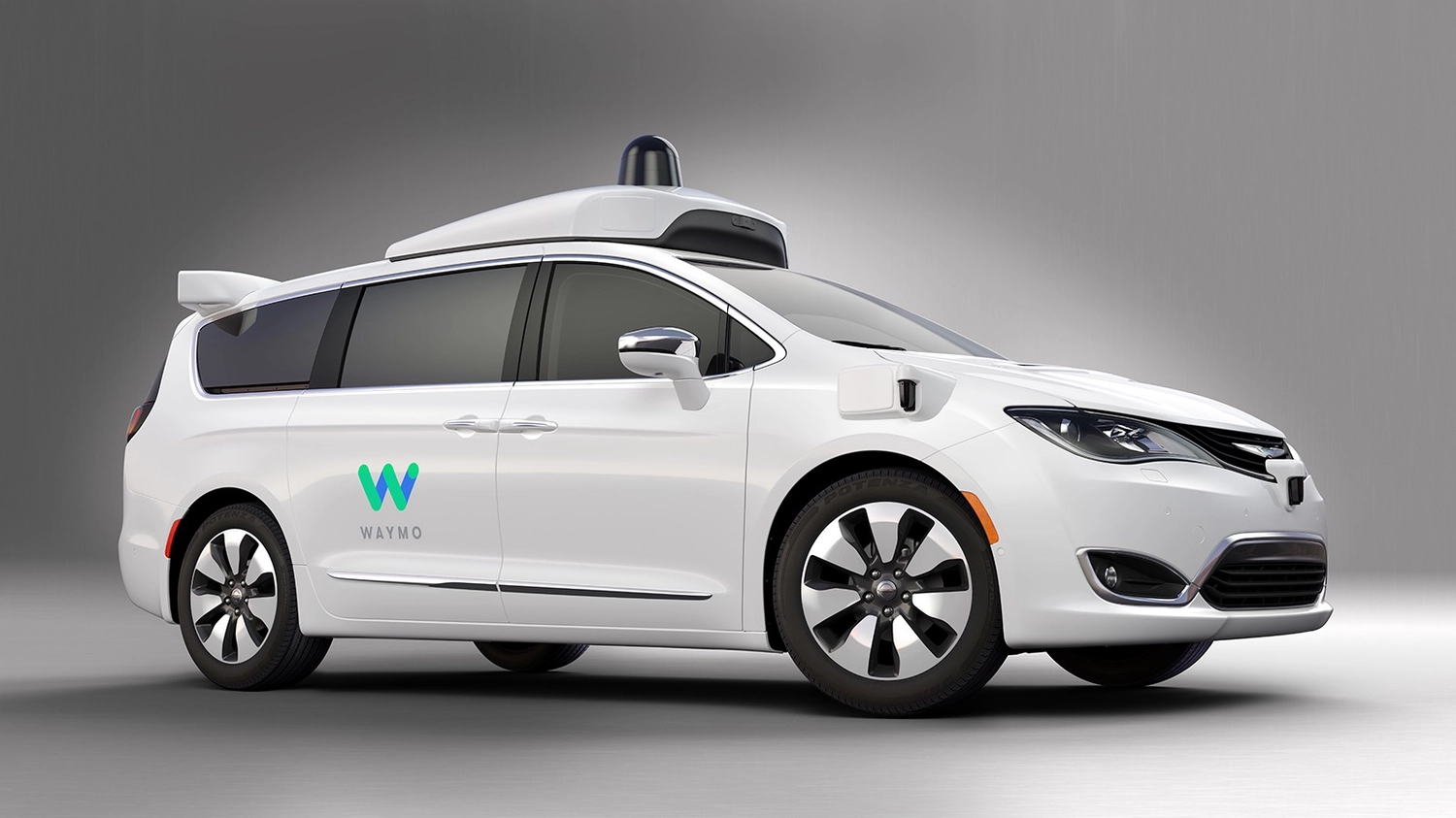
Waymo, the self-driving technology unit of Alphabet, announced on Wednesday that it will resume testing in New York City next month, bringing its autonomous vehicles back to Manhattan streets as it scales up U.S. operations.

The company has formally applied for a permit with the New York City Department of Transportation to conduct autonomous testing with a trained human operator behind the wheel. While the current phase will begin with manual driving, the permit would pave the way for New York’s first official autonomous vehicle test deployment on public roads.

“This is not an expansion, but we have every intention of bringing our fully autonomous ride-hailing service to the city in the future,” Waymo said in a statement.

New York State law currently prohibits fully driverless vehicle operation — a restriction Waymo is now lobbying to change.

Waymo first brought its vehicles to Manhattan in 2021, conducting manual driving and data collection exercises. The latest push signals its long-term commitment to eventually offering robotaxi services in one of the country’s most complex urban environments.

The move comes amid heightened competition in the self-driving industry. Rival Tesla is expected to launch a limited trial of its autonomous taxi service with just 10 vehicles this weekend, signaling growing industry momentum.

Meanwhile, Waymo continues to expand in California. The company announced Tuesday it will extend coverage to more areas of Silicon Valley and the San Francisco Peninsula after receiving state regulatory approval last month.

Currently, Waymo remains the only U.S. company operating robotaxi services with paying passengers, delivering over 250,000 weekly rides across San Francisco, Los Angeles, Phoenix, and Austin with a fleet of more than 1,500 autonomous vehicles.

Zoox Opens Robotaxi Factory, Escalating Rivalry with Tesla and Waymo

Amazon-owned Zoox has officially launched its first robotaxi production facility, signaling a major step toward commercializing its autonomous vehicle service and intensifying competition with industry leaders Tesla and Waymo.

Located in Hayward, California, the new 220,000-square-foot factory is capable of assembling over 10,000 robotaxis per year at full capacity. While Zoox has not disclosed its initial production figures, the move reflects its plans to scale significantly as it prepares for public ride launches.

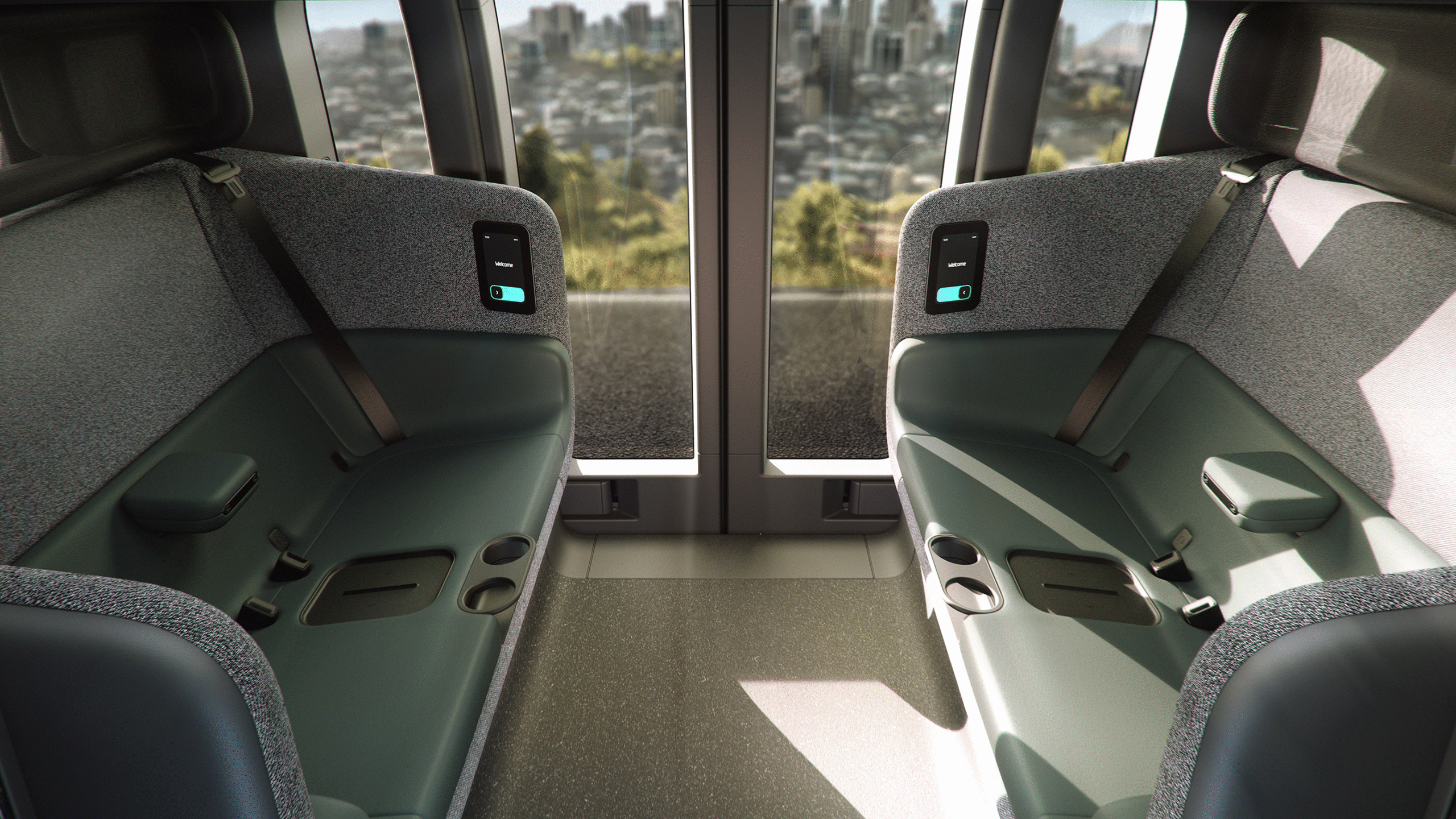
The company is currently testing its fully autonomous, purpose-built robotaxis — uniquely designed vehicles with no steering wheels or pedals — in multiple U.S. cities. It expects to begin commercial operations in Las Vegas later this year, followed by expansion in San Francisco, where it is already operating in the SoMa (South of Market) neighborhood.

“Anticipated public demand and upcoming market entries justify this scale-up in production,” Zoox stated, hinting at more widespread deployments in the coming years.

Zoox’s entry comes at a pivotal moment in the robotaxi race:

  • Waymo, owned by Alphabet, already runs a mature driverless taxi service and is expanding across U.S. cities.

  • Tesla, led by Elon Musk, plans to launch its paid robotaxi service on June 22, using Model Y SUVs with self-driving software, and later a Cybercab—a futuristic, manual-control-free, two-seater vehicle.

Unlike Waymo’s retrofitted models and Tesla’s modified SUVs, Zoox’s vehicles are custom-built from the ground up, resembling compact “toaster ovens” and designed specifically for autonomous operations.

Still, all major players in the space face substantial hurdles. Regulatory constraints, safety concerns, and cost overruns have hampered progress toward full autonomy. Moreover, companies including Zoox, Tesla, and Waymo have been subject to federal investigations and recalls after incidents involving their autonomous systems.

Nevertheless, Zoox’s new production hub marks a bold bet that it can move from limited testing to mass deployment, turning science fiction into a scalable reality.