Yazılar

Helicopter Pilot in Cairns Hotel Crash Identified as Unqualified Ground Crew Member

In a tragic accident on Monday, a helicopter crashed into the roof of the DoubleTree by Hilton Hotel in Cairns, Australia, killing the pilot. It has been confirmed that the pilot, who had been employed by Nautilus Aviation for four months, was not authorized to operate the helicopter. The pilot was attending a party the night before to celebrate a promotion to a ground crew position at a different base, which was not an official work event.

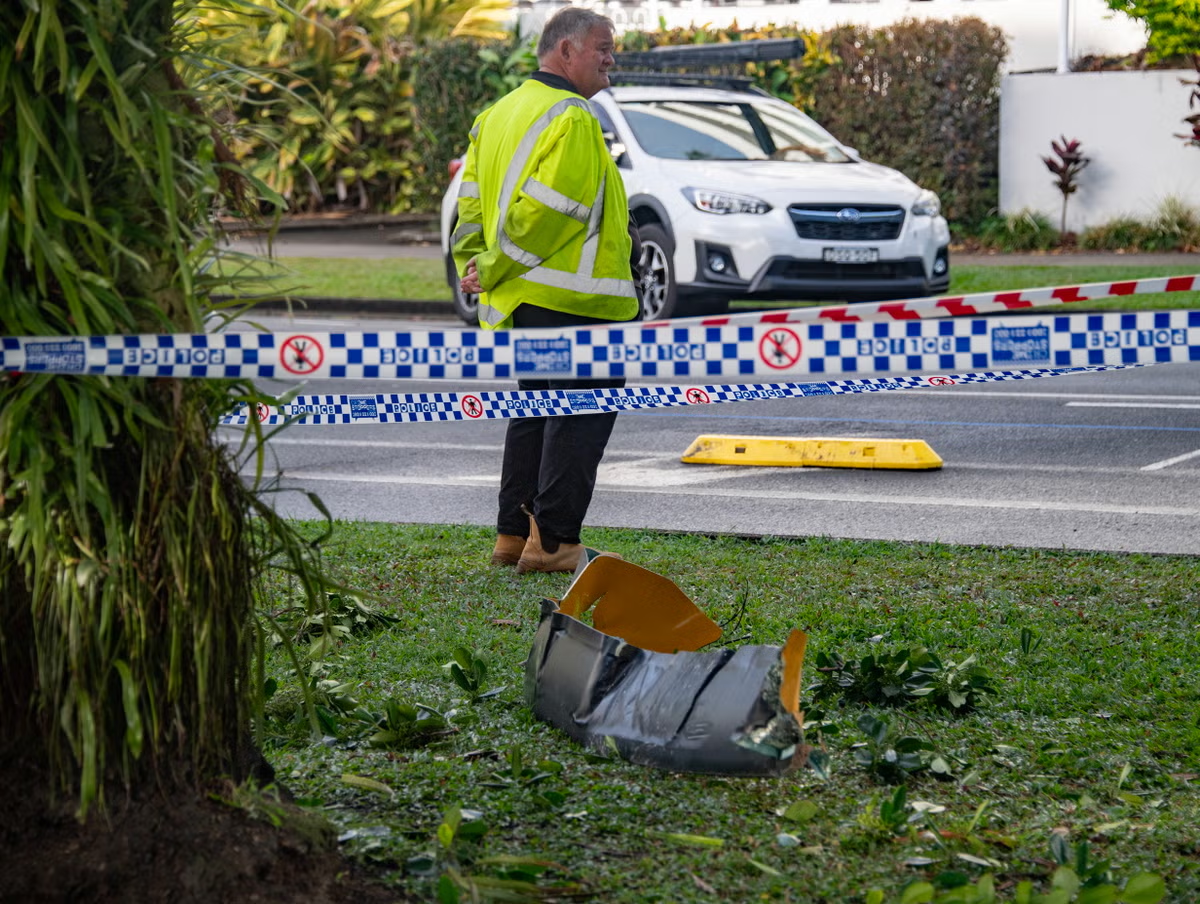
The crash, which occurred early Monday morning near the Cairns Esplanade, led to a dramatic scene as the helicopter burst into flames, spreading fuel and causing damage to the hotel’s upper windows. The incident prompted the evacuation of hundreds of guests and staff from the seven-story hotel. Two guests who were on the top floor sustained minor injuries and were taken to the hospital.
Queensland Police Acting Assistant Commissioner Shane Holmes stated that the pilot had made an “unauthorized flight,” but did not comment on whether the helicopter had been stolen or if the crash was deliberate. The Australian Transport Safety Bureau (ATSB) is investigating the circumstances, including the helicopter’s equipment and the nature of the flight. Visibility was reportedly poor at the time, with possible rain in the area.

Witness Veronica Knight, who was visiting Cairns, reported seeing the helicopter flying unusually low over the water at high speed before it crashed into the hotel. Her footage captures the moment the helicopter struck the building and the subsequent fire.

The DoubleTree by Hilton Cairns confirmed that all guests and staff were safely evacuated. The investigation into the crash involves the forensic crash unit and the ATSB, which has requested any photos or videos from witnesses to aid in their inquiry.
 

Surge in GPS Spoofing Threatens Airline Safety by Manipulating Time

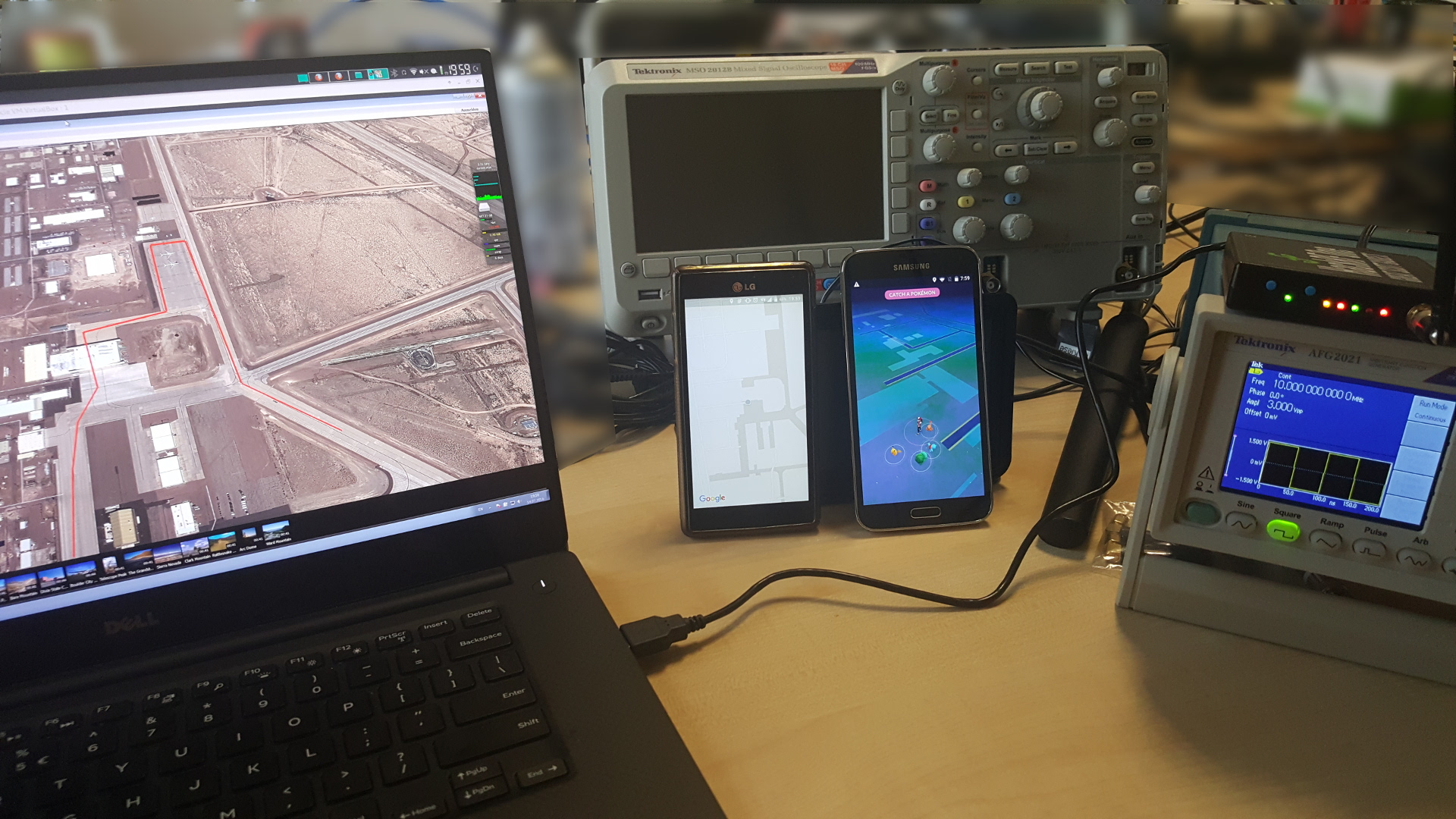
Cybersecurity researchers have uncovered a worrying trend in GPS spoofing, a type of digital attack that can disrupt commercial airline navigation. This recent surge in incidents has revealed a new and concerning dimension: the ability to manipulate time on board aircraft.

According to OPSGROUP, an aviation advisory body, there has been a 400% increase in GPS spoofing incidents targeting commercial airliners in recent months. These attacks, often originating from conflict zones, involve ground-based systems that broadcast false GPS signals, misleading aircraft about their actual position. The primary aim is usually to misguide drones or missiles, but the impact on commercial aviation is becoming increasingly apparent.

Ken Munro, founder of the British cybersecurity firm Pen Test Partners, highlighted this growing threat at the DEF CON hacking convention in Las Vegas. “We think too much about GPS being a source of position, but it’s actually a source of time,” Munro explained. He noted that during spoofing events, aircraft clocks have started displaying erratic behavior, with some cases involving clocks being pushed forward by several years.

In one alarming incident, Munro recounted how an aircraft operated by a major Western airline experienced a severe time shift that caused it to lose access to its encrypted communication systems. The plane was grounded for weeks while engineers worked to reset its onboard systems manually. Munro did not disclose the airline or specific aircraft involved.

This threat is not isolated to one region. In April, Finnair temporarily suspended flights to Tartu, Estonia, due to GPS spoofing incidents. The Estonian government attributed these attacks to neighboring Russia, reflecting the broader geopolitical tensions that often underlie such incidents.

GPS, or Global Positioning System, has become a crucial component of modern aviation, replacing traditional ground-based navigation aids. However, the relative ease with which GPS signals can be spoofed or jammed—using inexpensive and readily available equipment—poses a significant risk to aviation safety.

While Munro emphasized that GPS spoofing is unlikely to cause a plane to crash directly, he warned of the potential for cascading failures. “What it does is it just creates a little confusion. And you run the risk of starting what we call a cascade of events, where something minor happens, something else minor happens, and then something serious happens,” Munro said.

As these incidents become more frequent, the aviation industry faces a growing challenge in ensuring the reliability and safety of its navigation systems. The ability to hack time itself on board aircraft adds a new layer of complexity to this already serious issue, underscoring the need for enhanced cybersecurity measures in aviation.

US Safety Board to Scrutinize FAA Oversight of Boeing

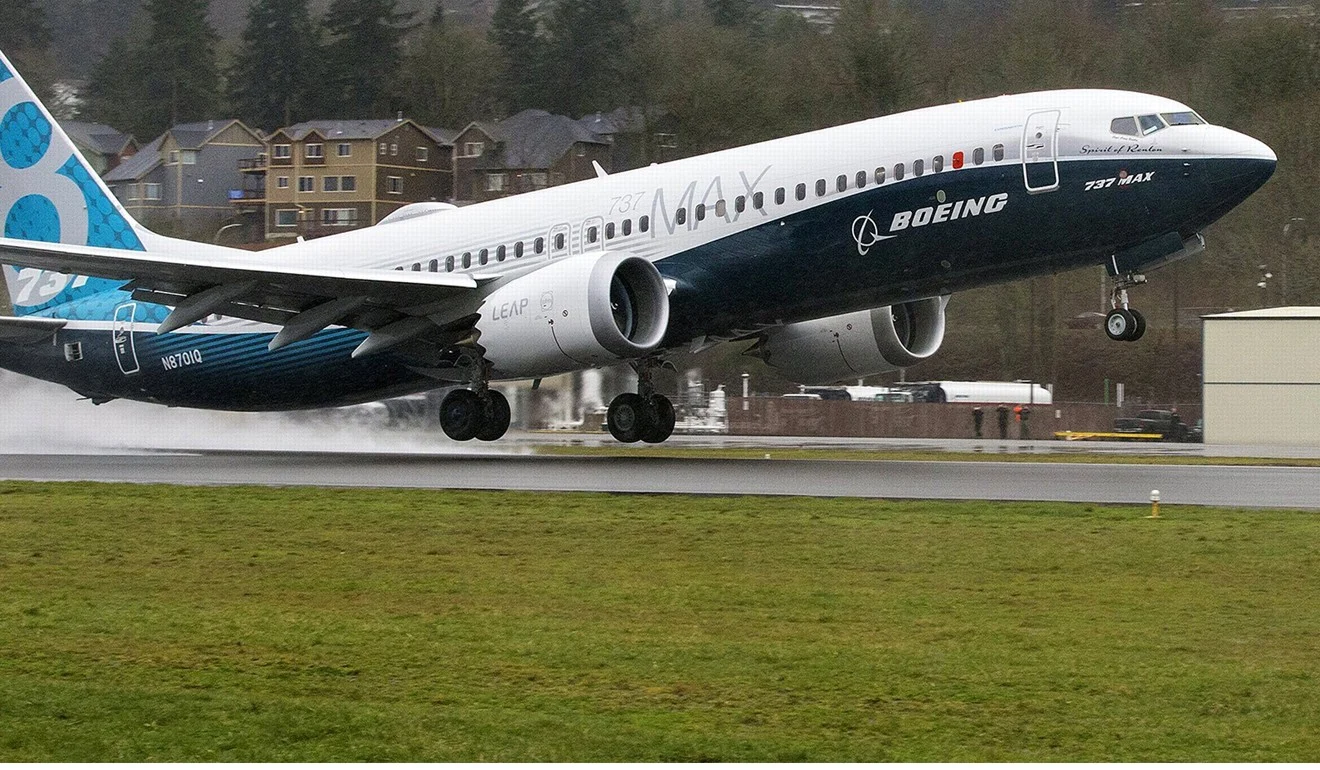
The National Transportation Safety Board (NTSB) has initiated a hearing to examine the Federal Aviation Administration’s (FAA) oversight of Boeing following a serious safety incident involving a 737 MAX 9 aircraft in January. This mid-air emergency has prompted the NTSB to question the FAA’s regulatory actions and procedures regarding Boeing’s operations.

NTSB Chair Jennifer Homendy expressed concerns about why the FAA had not taken earlier action, despite being aware of various issues, including defects, missing and incorrect documents, and flawed policies that have persisted for years. The hearing’s first day focused on Boeing’s actions leading up to the incident, while the second day delved into the FAA’s oversight practices.

Homendy questioned the effectiveness of FAA audits and whether Boeing had prior notice of these reviews. She criticized the FAA for being too focused on paperwork rather than conducting thorough inspections. Following the incident, the FAA restricted Boeing from increasing production beyond 38 planes per month, initiated a 90-day review of the company, and mandated significant quality and manufacturing improvements before permitting any production increase.

FAA Administrator Mike Whitaker acknowledged in June that the agency had been “too hands off” in its oversight of Boeing, emphasizing that their previous approach relied too heavily on paperwork audits instead of inspections. The FAA has since increased the number of inspectors at Boeing and Spirit AeroSystems factories and pledged to continue rigorous oversight to address systemic production-quality issues.

In response to the incident, Senate Commerce Committee Chair Maria Cantwell and Senator Tammy Duckworth introduced legislation aimed at reviewing and strengthening safety management systems at the FAA. Cantwell highlighted that the FAA had conducted 298 audits of Boeing and Spirit AeroSystems over two years without identifying any enforcement issues, indicating that the audits were ineffective.

The NTSB hearing underscores the need for a more proactive and thorough oversight approach by the FAA to ensure Boeing’s compliance with safety standards and to prevent future incidents.