Yazılar

Baidu Secures License to Test Autonomous Vehicles in Hong Kong

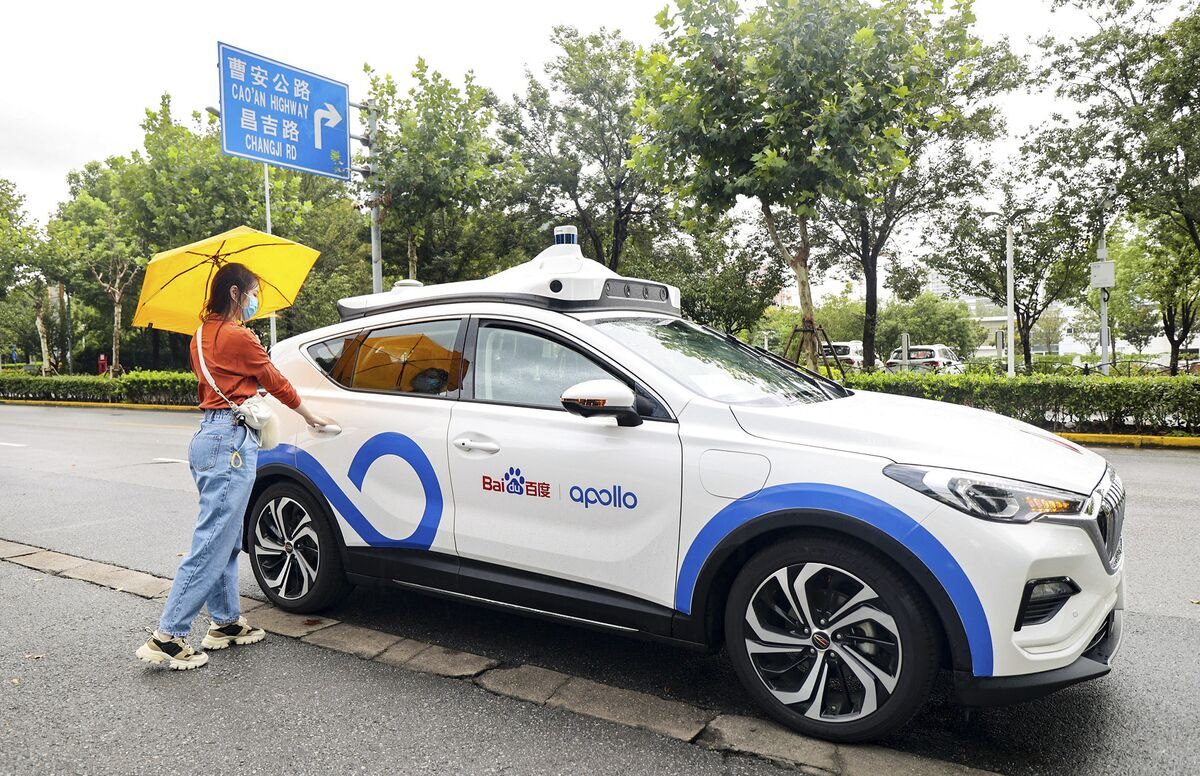
Baidu’s Apollo robotaxi service has received approval to test autonomous vehicles in Hong Kong, marking the company’s first license for self-driving car trials outside mainland China. Hong Kong’s Transport Department announced Friday that Baidu Apollo International Ltd is authorized to conduct tests with 10 autonomous vehicles in the North Lantau region.

The license, valid from December 9, 2024, to December 8, 2029, will initially permit only one autonomous vehicle on specified road sections at a time. A backup operator will be required to remain onboard to take control of the vehicle if needed during the trials.

This approval is the first issued under Hong Kong’s new regulatory framework for autonomous vehicles, introduced in March 2023. While the Hong Kong government has promoted autonomous vehicle technology since 2017, public road trials have been limited until now.

Baidu’s Apollo Go service operates across several mainland Chinese cities, including Wuhan, where it manages a fleet of over 400 autonomous vehicles, the largest in the region. With competition in the autonomous vehicle sector intensifying, Baidu aims to expand its robotaxi services internationally to locations such as Hong Kong, Singapore, and the Middle East, according to recent reports.

The Hong Kong trial represents a significant step in Baidu’s global ambitions for its autonomous vehicle program and underscores the city’s evolving stance on integrating cutting-edge technology into its transportation ecosystem.


Baidu Gears Up to Launch AI Smart Glasses to Compete with Meta’s Ray-Bans

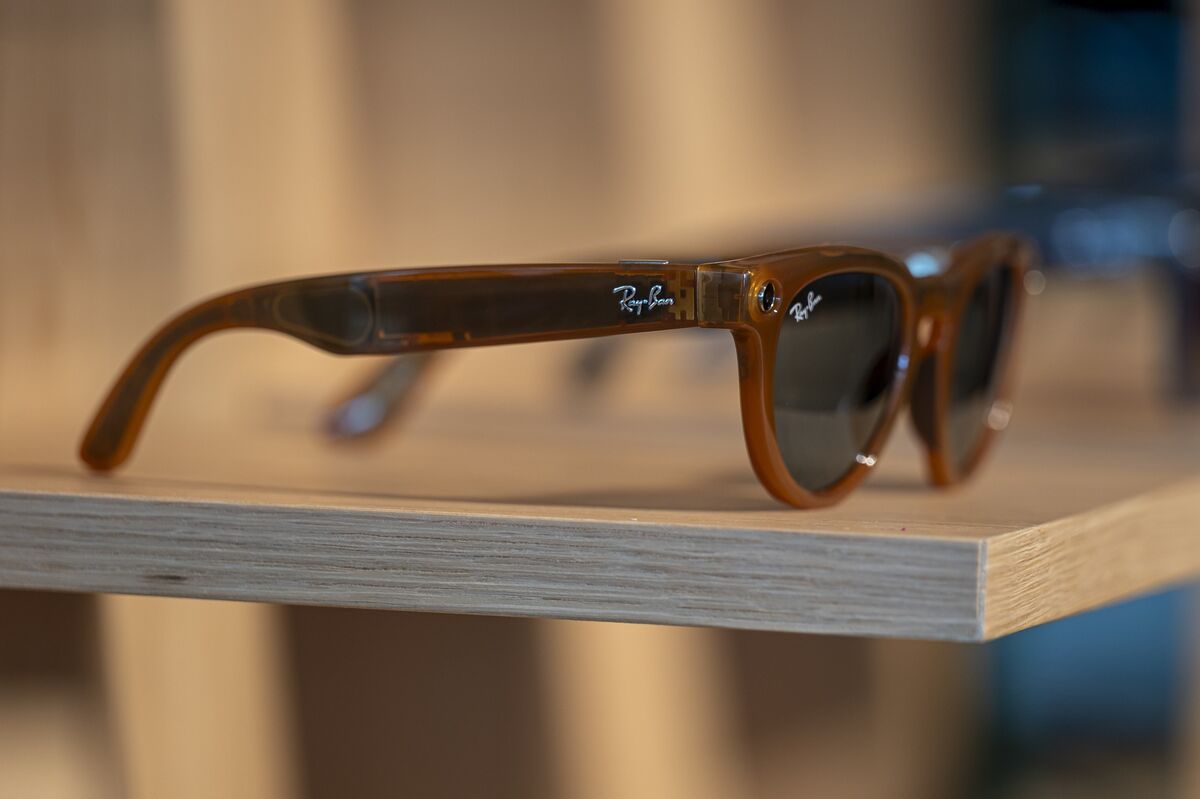
Baidu Inc. is poised to enter the competitive world of AI-powered wearable technology with a pair of smart glasses designed to rival Meta’s successful Ray-Ban collaboration. The Chinese tech giant, known for its leadership in search and artificial intelligence, plans to unveil the new product at its upcoming Baidu World event in Shanghai. Set to feature a built-in AI assistant, the glasses will integrate Baidu’s cutting-edge Ernie foundation model, enabling voice interactions and seamless connectivity for users.

The glasses are equipped with advanced features, including built-in cameras for capturing photos and videos, a nod to the trend of integrating digital tools into everyday wearables. These capabilities position Baidu’s product as a direct competitor to Meta’s Ray-Ban Stories, which have gained significant traction in recent years. While Meta’s smart glasses have evolved in functionality, Baidu aims to offer a compelling alternative with its unique AI-driven approach.

This move aligns with the broader trend of tech companies seeking to capitalize on the potential of AI to enhance consumer hardware. Baidu, having invested heavily in AI technologies, sees this as a strategic step to monetize its advancements and expand its presence in the hardware market. The success of products like Meta’s smart glasses, which have proven to be a popular choice for tech-savvy consumers, signals a growing market for such devices, which Baidu is eager to tap into.

Despite the rapid innovation in AI-powered gadgets, the market has seen mixed results, with some products failing to meet expectations, such as the Humane AI Pin, while others, like Microsoft’s Copilot+ PC range, have received a warmer reception. Baidu’s entry into this space with its smart glasses will be a key moment in determining whether the company can establish itself as a formidable player in the wearable AI hardware industry. As the event approaches, all eyes will be on Baidu’s offering and how it stacks up against established products like Meta’s Ray-Bans.

Baidu’s Robotaxi Unit Eyes Global Expansion Amid Rising Competition

Baidu’s autonomous driving division, Apollo Go, is reportedly exploring potential expansion into international markets in the near future. According to an inside source, discussions with various firms are underway, although specifics on timelines or targeted regions have not yet been revealed.

Baidu is currently one of China’s leading operators in the robotaxi sector. The company has made significant strides in autonomous driving technology and has been allowed by local regulators in cities like Beijing and Wuhan to run commercial self-driving taxi services. Wuhan stands out as Apollo Go’s largest area of operation, where robotaxis have been in use beyond just testing phases.

The move toward global expansion comes amid increasing competition in the robotaxi space, particularly as Tesla gears up for its much-anticipated robotaxi event this Thursday. Another Chinese player in the field, WeRide, recently announced a partnership to integrate its autonomous vehicles with Uber’s ride-hailing platform in Abu Dhabi. However, that collaboration is not expected to extend to the U.S. or Chinese markets.

In July, electric vehicle giant BYD also teamed up with Uber to work on developing “autonomous-capable vehicles” for Uber’s platform, though no further details have been disclosed regarding this partnership.

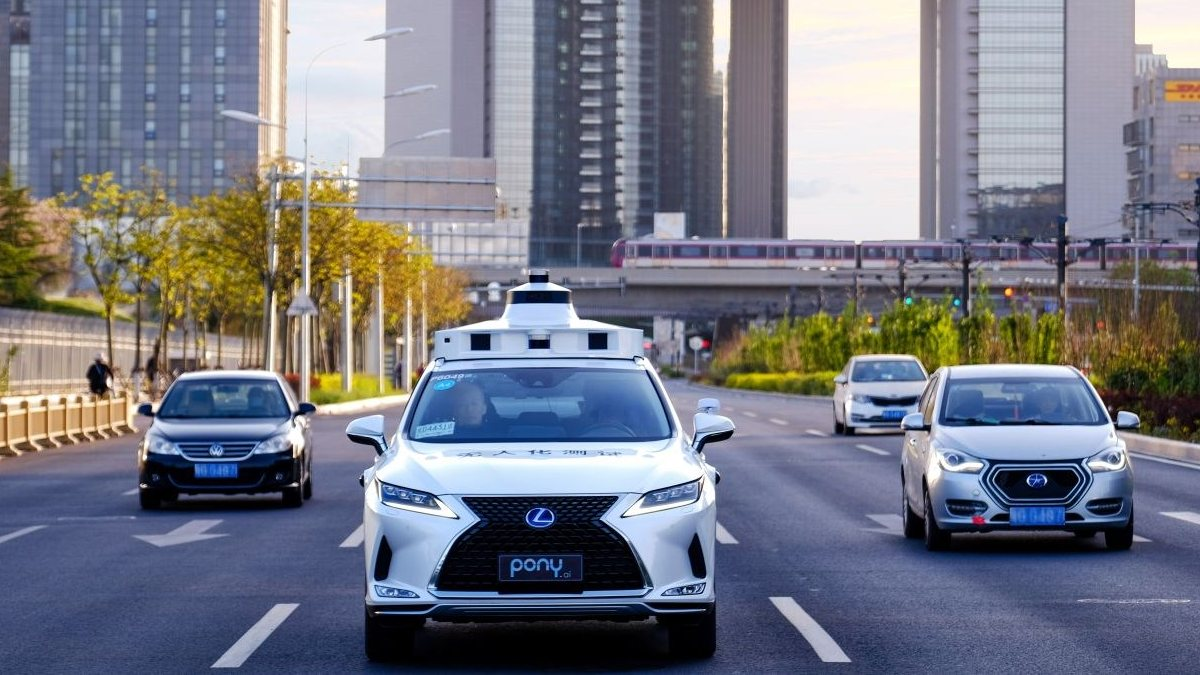
In China, Baidu’s Apollo Go, along with other companies like Pony.ai, heavily subsidizes robotaxi rides to drive user adoption. While regulations currently mandate a human attendant to be present inside some of the autonomous vehicles for safety reasons, Baidu continues to push forward with its self-driving services. By late July, Apollo Go had reportedly completed over 7 million robotaxi rides.

On a separate note, Baidu announced changes to its executive leadership on Tuesday. Rong Luo, who was serving as the company’s Chief Financial Officer (CFO), will step down from that role to take on the position of Executive Vice President overseeing Baidu’s mobile ecosystem unit. Junjie He, the former head of the mobile division, will take over as interim CFO. The company characterized these shifts as part of a “management rotation.”