Yazılar

Wolfspeed Eyes Bankruptcy Filing Amid Debt Struggles and Weak Demand

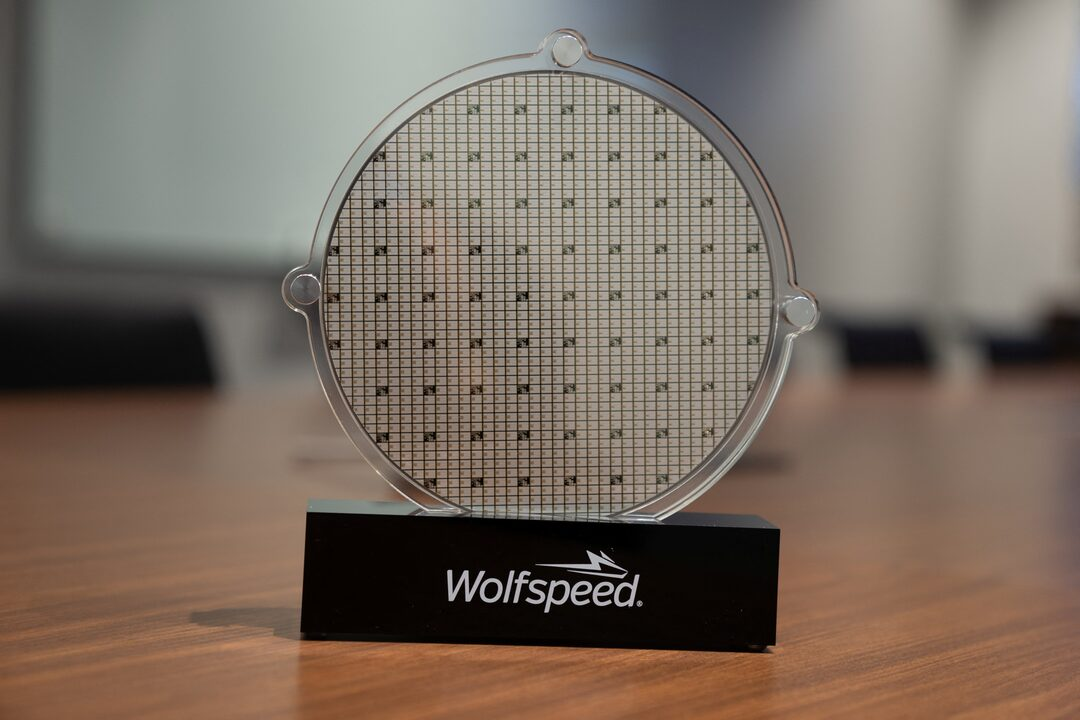
Wolfspeed, a leading U.S. semiconductor firm specializing in silicon carbide chips, is reportedly preparing to file for Chapter 11 bankruptcy within weeks, according to sources cited by The Wall Street Journal. The move comes as the company faces mounting debt, weakened demand, and heightened market uncertainty due to tariffs and macroeconomic pressures.

Shares of Wolfspeed (WOLF.N) plunged more than 57% in after-hours trading following the news.

The company, which serves industrial and automotive markets, has been wrestling with declining demand and recently rejected multiple out-of-court debt restructuring proposals. It is now seeking a court-supervised process with the backing of a majority of its creditors, as part of a pre-packaged bankruptcy strategy.

Earlier this month, Wolfspeed signaled financial distress by raising “going-concern” doubts and significantly lowering its revenue outlook. It forecast $850 million in revenue for fiscal 2026, falling short of analysts’ consensus of $958.7 million.

Wolfspeed declined to comment on the bankruptcy report when contacted by Reuters.

As one of the few major U.S. producers of silicon carbide chips — vital for electric vehicles and renewable energy systems — the company’s financial woes could ripple across the supply chain, especially as global chipmakers face persistent economic headwinds and shifting trade dynamics.

Celsius Founder Alex Mashinsky Sentenced to 12 Years in Prison for Crypto Fraud

Alex Mashinsky, the founder and former CEO of defunct crypto lender Celsius Network, was sentenced Thursday to 12 years in prison after pleading guilty to securities and commodities fraud in a case that stands among the most severe stemming from the 2022 cryptocurrency market collapse.

U.S. District Judge John Koeltl in Manhattan imposed the sentence, which also includes three years of supervised release and a $48.4 million forfeiture. The ruling comes after federal prosecutors accused Mashinsky, 59, of deceiving Celsius customers about the platform’s safety and artificially inflating the value of the CEL token, Celsius’ proprietary digital asset.

The prosecution sought at least 20 years of imprisonment, describing Mashinsky’s actions as a betrayal that caused billions in customer losses while he personally gained over $48 million.

The case for tokenization and the use of digital assets is strong, but it is not a license to deceive,” said U.S. Attorney Jay Clayton in a post-sentencing statement.

Mashinsky had asked for a sentence of just one year and one day, expressing remorse and a desire to make amends. His attorneys did not immediately provide comment following the sentencing.

Founded in 2017, Celsius was based in Hoboken, New Jersey, and promised high-yield returns, offering up to 17% interest on some crypto deposits. Like other lenders in the crypto space, Celsius attracted customers with the promise of easy lending and high returns while funneling deposits to institutional borrowers in hopes of profiting from the spread.

However, the model collapsed under the weight of falling crypto prices. In July 2022, Celsius filed for Chapter 11 bankruptcy with a $1.19 billion balance sheet deficit, after a customer run on deposits.

Mashinsky’s sentencing follows the high-profile conviction of FTX founder Sam Bankman-Fried, who is serving 25 years for fraud and is currently appealing. Mashinsky also faces ongoing civil lawsuits from the SEC, CFTC, FTC, and New York Attorney General Letitia James.

Born in Ukraine, Mashinsky immigrated to Israel and later moved to New York City in 1988, where he became a prominent tech entrepreneur before his fall from grace in the crypto world.

Northvolt Sells Novo Energy Stake to Volvo, Eyes North American Expansion

Swedish battery manufacturer Northvolt has agreed to sell its stake in Novo Energy, its joint battery venture with Volvo Cars, as part of a broader cost-cutting strategy. The company will now explore new supply opportunities in North America while Volvo takes full control of Novo’s operations.

Key Details:

  • Stake Sale to Volvo: Northvolt, facing financial difficulties and under U.S. bankruptcy protection, ceased funding for joint ventures in 2024. As a result, Volvo declared a contract breach in October and moved to acquire Northvolt’s stake in Novo Energy.
  • Bankruptcy Court Approval Needed: A U.S. bankruptcy court must approve the sale. Financial terms were not disclosed.
  • Focus on Core Business: Northvolt is divesting projects in Poland and Norway to sustain its battery production, with key gigafactories planned in Sweden, Germany, and Canada—though some are facing delays.
  • Volvo Seeking a New Partner: Volvo has not yet announced a new partner for Novo but remains committed to launching battery production at its Gothenburg factory by 2026.
  • North American Expansion: Despite losing its planned battery orders from Volvo, Northvolt sees potential for new supply agreements in North America, particularly at its upcoming Northvolt Six plant in Montreal.