Yazılar

Why Pennsylvania Could Hold the Keys to the White House

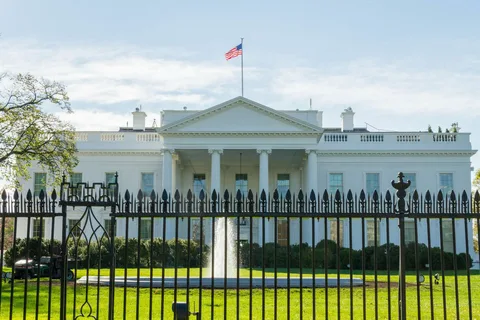
Pennsylvania’s importance in the U.S. presidential election has never been more crucial. With its 19 electoral votes, it stands as a pivotal battleground state that could very well determine the next occupant of the White House. According to political analyst Nate Silver, the candidate who wins Pennsylvania has a 90% chance of winning the presidency. This has led both the Kamala Harris and Donald Trump campaigns to focus heavily on securing a win in this state, as it could tip the balance in the race for the highest office in the U.S.

Pennsylvania is often referred to as the “Keystone State,” not just because of its geographical location but also for its symbolic importance in elections. If Harris manages to win Pennsylvania alongside Michigan, Wisconsin, and one congressional district in Nebraska, she is likely to secure the presidency. On the other hand, if Trump flips Pennsylvania along with North Carolina and Georgia, he could find his way back to the White House.

A Swing State That Mirrors America

What makes Pennsylvania so critical is that it serves as a microcosm of the broader United States. With a diverse economy that includes agriculture, energy, and new industries, as well as a population that is predominantly white but growing in diversity, it reflects the national landscape. Urban areas like Philadelphia and Pittsburgh lean heavily Democratic, while vast rural regions are strongholds for Republicans. The once-reliably conservative suburbs are now trending left, creating a political environment where the balance is constantly shifting.

In recent elections, Pennsylvania has remained fiercely competitive. Joe Biden won the state by just 80,000 votes in 2020, while Trump took it by about 40,000 in 2016. Only once in the last 40 years has a candidate won the state by double digits—Barack Obama in 2008. This ongoing electoral tightrope walk makes Pennsylvania a top priority for both campaigns.

Campaign Strategies for the Keystone State

Both Harris and Trump have been dedicating significant resources to Pennsylvania, spending more on advertising there than in any other swing state. Harris introduced her running mate, Tim Walz, at a rally in Philadelphia, and has spent considerable time campaigning in Pittsburgh, a key city in her electoral strategy. Trump, meanwhile, has held large rallies in Butler and Scranton, targeting areas where he enjoys significant support.

For Harris, the key to victory lies in dominating the urban vote in Philadelphia and Pittsburgh and winning the suburbs by enough to counter Trump’s dominance in rural areas. A big part of her strategy is appealing to moderate Republicans, especially the 160,000 voters who supported Nikki Haley in the state’s Republican primary, held after Trump had already secured the nomination. To this end, Harris is positioning herself as a centrist candidate, seeking to dispel any notions of radical leftism. Craig Snyder, a former Republican staffer, leads the “Haley Voters for Harris” initiative, which aims to win over moderate Republican voters.

Trump’s strategy revolves around maximizing turnout in the rural and conservative parts of Pennsylvania. His campaign has focused on registering new voters and mobilizing those who haven’t participated in past elections. Although Democrats still outnumber Republicans in the state, the margin has narrowed to just a few hundred thousand, the smallest gap since 1998. The Trump campaign also aims to peel away support from traditional Democratic voters, particularly among blue-collar union workers and young Black men, who have shown growing support for Trump in national polls.

The High Stakes of Pennsylvania

Both campaigns understand that winning Pennsylvania is critical. Trump’s team is banking on their grassroots efforts to turn out rural and suburban conservatives, while Harris is hoping to maintain strong support in urban areas and sway moderate Republicans. With the race in the state nearly deadlocked, the outcome in Pennsylvania could ultimately determine who will be sworn in as president in January.
 

Georgia Election Board Mandates Hand-Counting of Ballots Amid Legal Warnings from GOP Officials

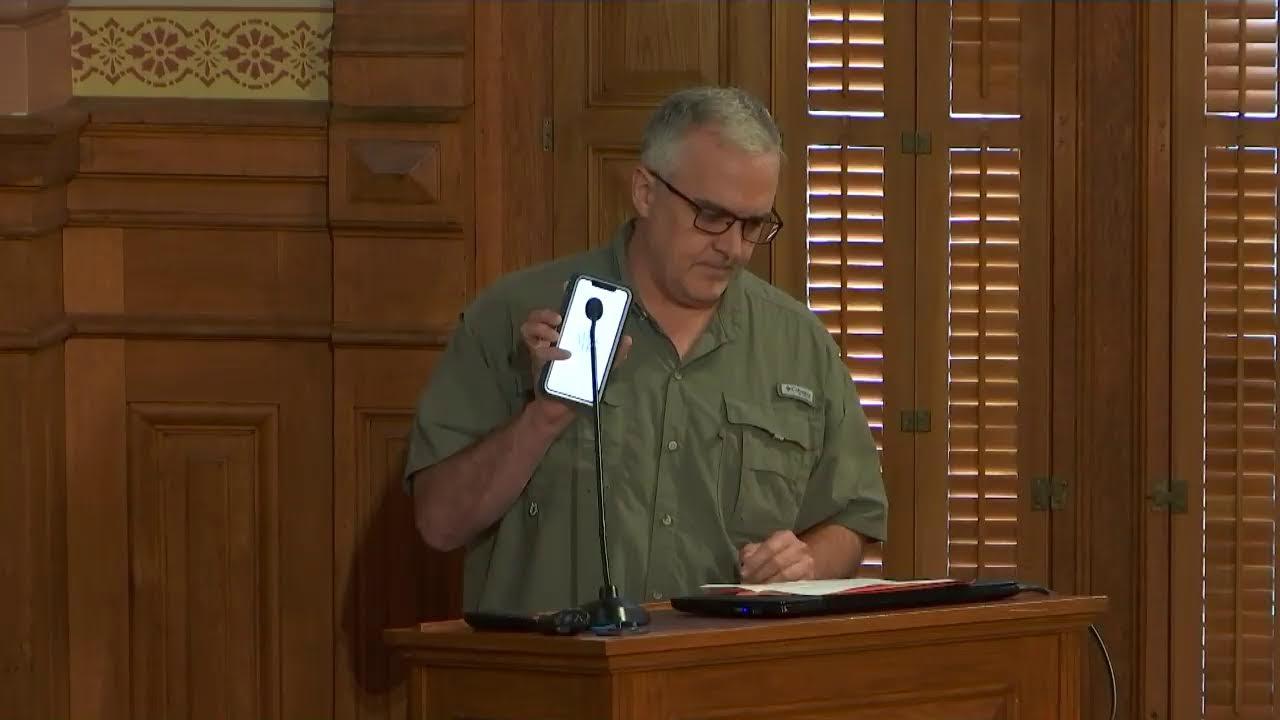
The Georgia State Election Board has passed a controversial new rule requiring counties to hand-count ballots cast at polling places on Election Day, despite opposition from bipartisan election officials and warnings from key Republican state officials. The decision was approved in a 3-2 vote, with allies of former President Donald Trump supporting the measure, while a Democratic and GOP-appointed independent member opposed it.

The hand-counting rule mandates that the total number of ballots be counted by hand to ensure they match those tallied by voting machines. However, the rule stops short of requiring hand counts for individual candidate votes, which are still to be processed by machines. Georgia Attorney General Chris Carr, a Republican, had previously warned that the move could be unlawful, noting that state law does not allow local election workers to hand-count ballots before votes are officially tallied.

Carr’s office also cautioned the board that implementing these changes so close to the election—early voting begins October 15—might lead to legal challenges. Georgia Secretary of State Brad Raffensperger echoed these concerns, criticizing the timing of the rule changes, calling it “too late in the cycle” to introduce new procedures.

The rule’s proponents, like State Election Board member Janelle King, defended the changes, arguing they were necessary to address public mistrust in the electoral process. Critics, however, see this as part of a broader effort by Republicans allied with Trump to cast doubt on election results, particularly in battleground states like Georgia. The rule change comes after a GOP-led state legislature removed the secretary of state’s position from the election board in the wake of Trump’s failed efforts to overturn the 2020 election results in Georgia.

Nonpartisan experts and local election officials have expressed concerns that hand-counting could slow the election process, adding unnecessary burdens on county offices already struggling with limited resources. Despite this, the board also passed another rule granting poll-watchers greater access to vote-counting areas, a move similarly criticized as overstepping statutory authority.

With early voting set to begin in just weeks, many election officials fear these changes could lead to delays and confusion during the critical 2024 presidential election. As the new rules come under scrutiny, legal challenges seem likely, especially given warnings from the state attorney general’s office that they may be overturned in court due to their lack of legal basis.


Obama Set to Endorse Harris at DNC, Lending His Star Power to Her Presidential Campaign

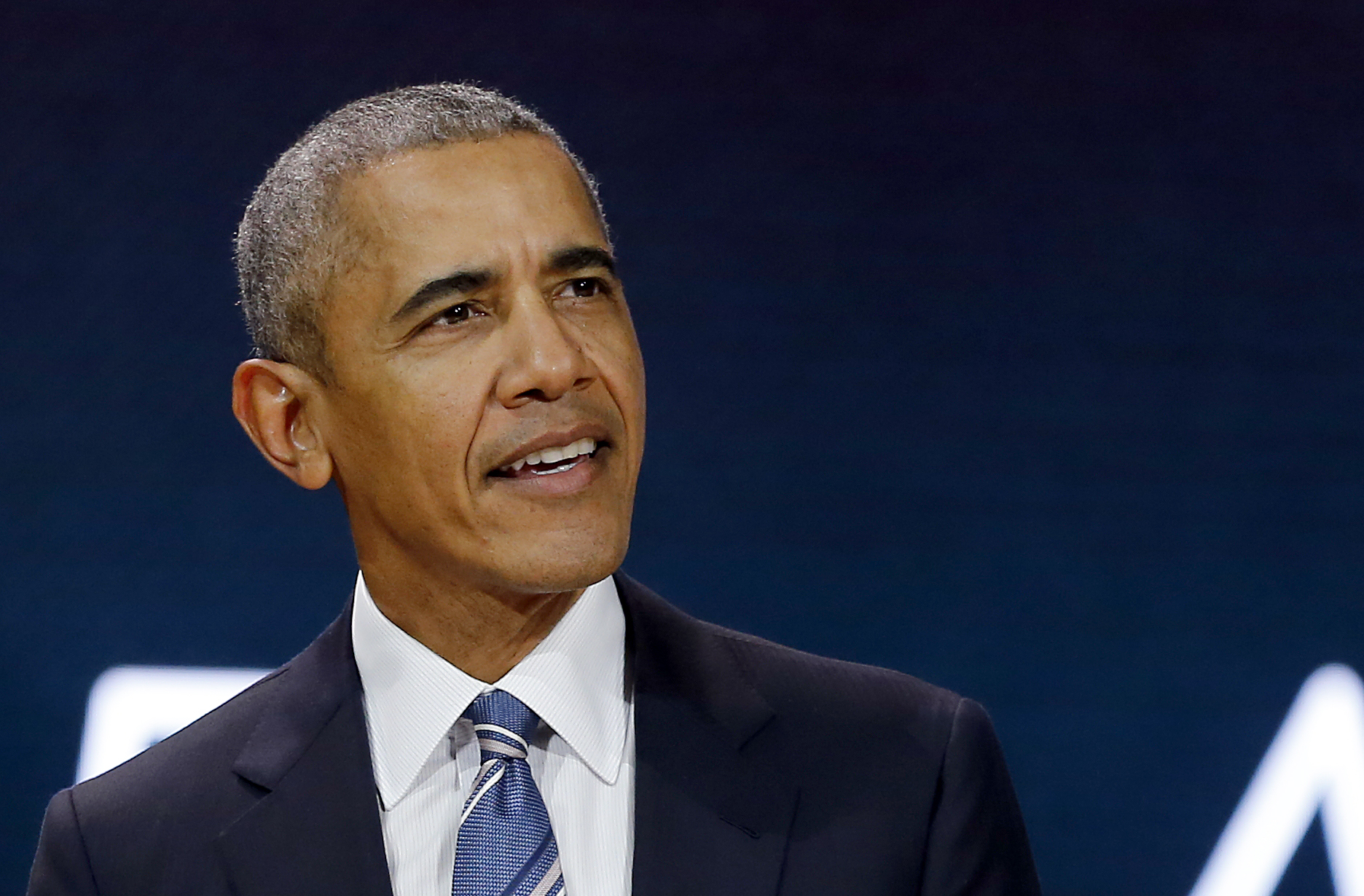
On Tuesday night, former U.S. President Barack Obama will publicly endorse Kamala Harris in a highly anticipated speech at the Democratic National Convention, offering his support to her emerging presidential bid. Obama’s involvement brings significant momentum to Harris, who faces a tight race against former President Donald Trump. His endorsement is expected to bolster Harris’s campaign, which, until now, has largely relied on positive energy and relief among Democrats after President Joe Biden announced he would not seek re-election.

Obama remains a towering figure within the Democratic Party, and his influence continues to shape political discourse even nearly eight years after leaving office. In his Tuesday speech, he is expected to outline his vision for Harris’s victory while also reflecting on the challenges Democrats face in the upcoming election. His backing of Harris comes as she and her running mate, Minnesota Governor Tim Walz, aim to secure critical battleground states like Wisconsin and Michigan.

Former first lady Michelle Obama will also address the convention, reiterating the need for unity and positivity in a divided country. Though often mentioned as a potential presidential candidate herself, she has consistently expressed no interest in running for office.

As Harris’s campaign kicks into high gear, the upcoming weeks will be crucial, with Obama planning to make targeted appearances to help sway voters in key states.