Astronauts of the Underworld: Exploring Earth’s Hidden Depths
Deep beneath the Earth’s surface lies a mysterious world of untapped secrets. From undiscovered species to insights into climate change and even extraterrestrial life, caves are one of the last frontiers for exploration on our planet. Scientists and adventurers alike venture into these dark, uncharted realms, unlocking revelations that bridge the past, present, and future.
Caves are dynamic environments, often described as “alive.” Phil Short, a renowned cave explorer and underwater mission lead at Deep Research Labs, likens them to breathing organisms. They inhale and exhale based on atmospheric pressure differences between the surface and underground. This interplay between external weather and internal cave systems creates unique conditions that preserve the secrets of human evolution, biodiversity, and climate history.
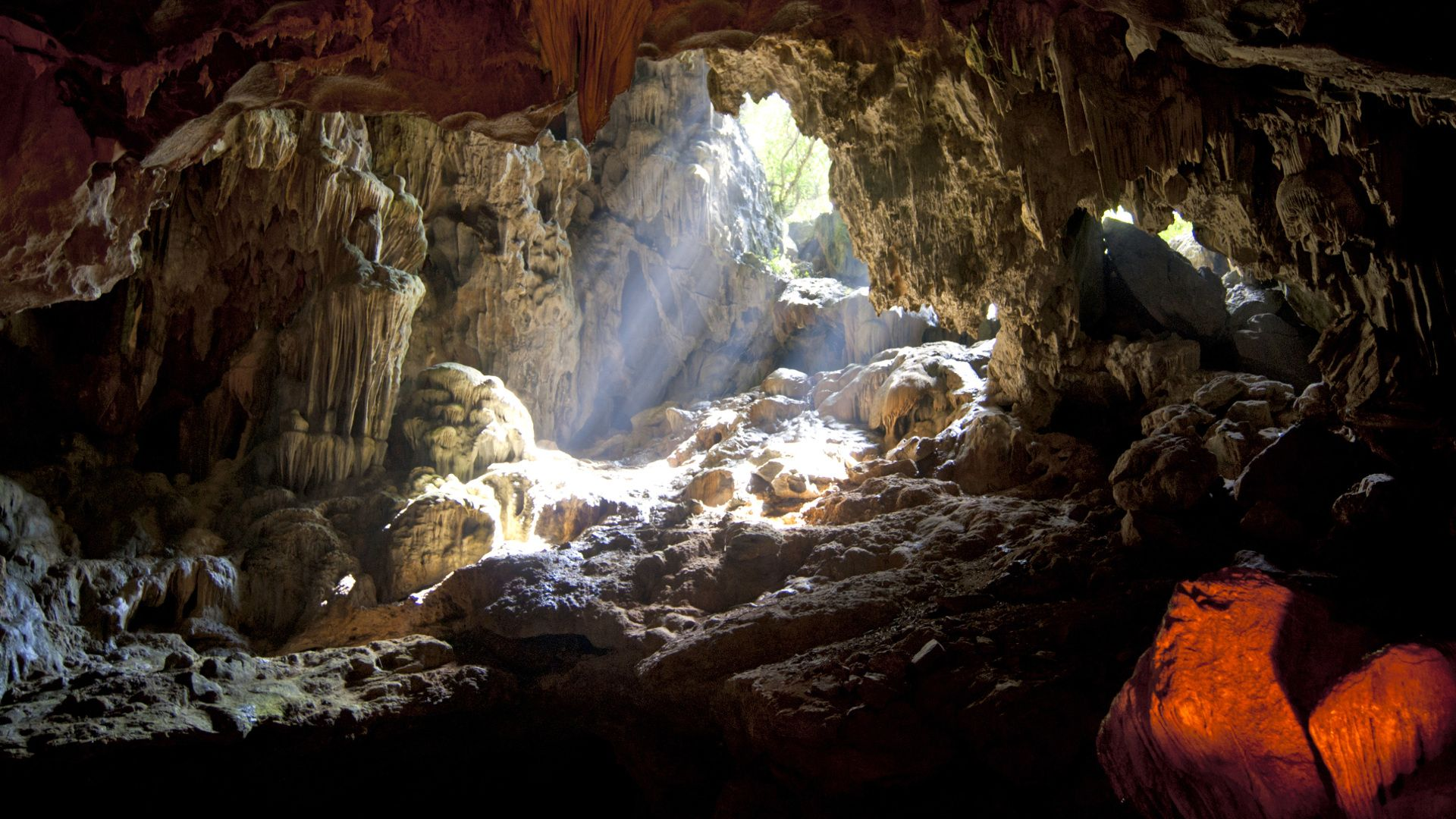
At Wookey Hole in Somerset, UK, Short finds his “spiritual home” among the stone tunnels and caverns. In complete darkness, caving guide Becca Burne demonstrates the calm isolation of subterranean life. “Caving is a slow, controlled activity,” says Short. Unlike adrenaline sports, exploration here involves meticulous planning, with cavers carefully navigating narrow passages and vast chambers that often remain untouched by human hands.
Globally, tens of thousands of caves are known, yet many remain unexplored. For Short, caving represents the last frontier of pure exploration, where technology has yet to reach. “When you enter an unexplored cave, you’re stepping into a part of the planet where nothing – no drone or modern technology – has been before,” he explains. Such untouched environments hold treasures ranging from new species to potential cures for diseases, and some caves are so vast they even have their own weather systems.
In the Cyclops Mountains of Papua, Indonesia, entomologist Leonidas-Romanos Davranoglou and his team encountered such a treasure trove of discoveries. Braving leeches, venomous creatures, and earthquakes, the expedition uncovered a hidden cave system, blind spiders, and a whip scorpion – all new to science. They also documented the survival of the Attenborough Echidna and rediscovered a bird species lost for over 15 years. For Davranoglou, each new species is a key to understanding evolutionary processes, ecological dynamics, and potential impacts of future environmental changes.
Meanwhile, in the Sierra Juárez mountains of Mexico, Phil Short spent months exploring the J2 cave system, a 12km-long maze hidden beneath the jungle. After hauling equipment through dense rainforest and abseiling 700m underground, Short and his dive partner, Marcine Gala, discovered an enormous chamber with a waterfall and multicolored calcite formations. Though their mission was focused on exploration rather than science, mapping such caves lays the groundwork for future research.
Caves also offer insights into microbial life and the origins of life itself. Hazel Barton, a geomicrobiologist at the University of Alabama, studies microbes thriving in extreme underground environments. Her work on photosynthesis in near-infrared wavelengths – conditions similar to those on distant stars – suggests that caves could help us understand how life might exist on other planets. Barton describes caving as the closest experience to being an astronaut, where each footprint in untouched caves could last for millennia.
Emerging from the depths of Wookey Hole, the return to sunlight feels like waking from a dream. The sensory contrast underscores the allure of the underworld. As Short notes, “You can come here and see something different every time.” With hundreds of unexplored cave entrances on Earth, the Moon, and even Mars, the darkness beneath the surface continues to invite humanity to explore its depths.