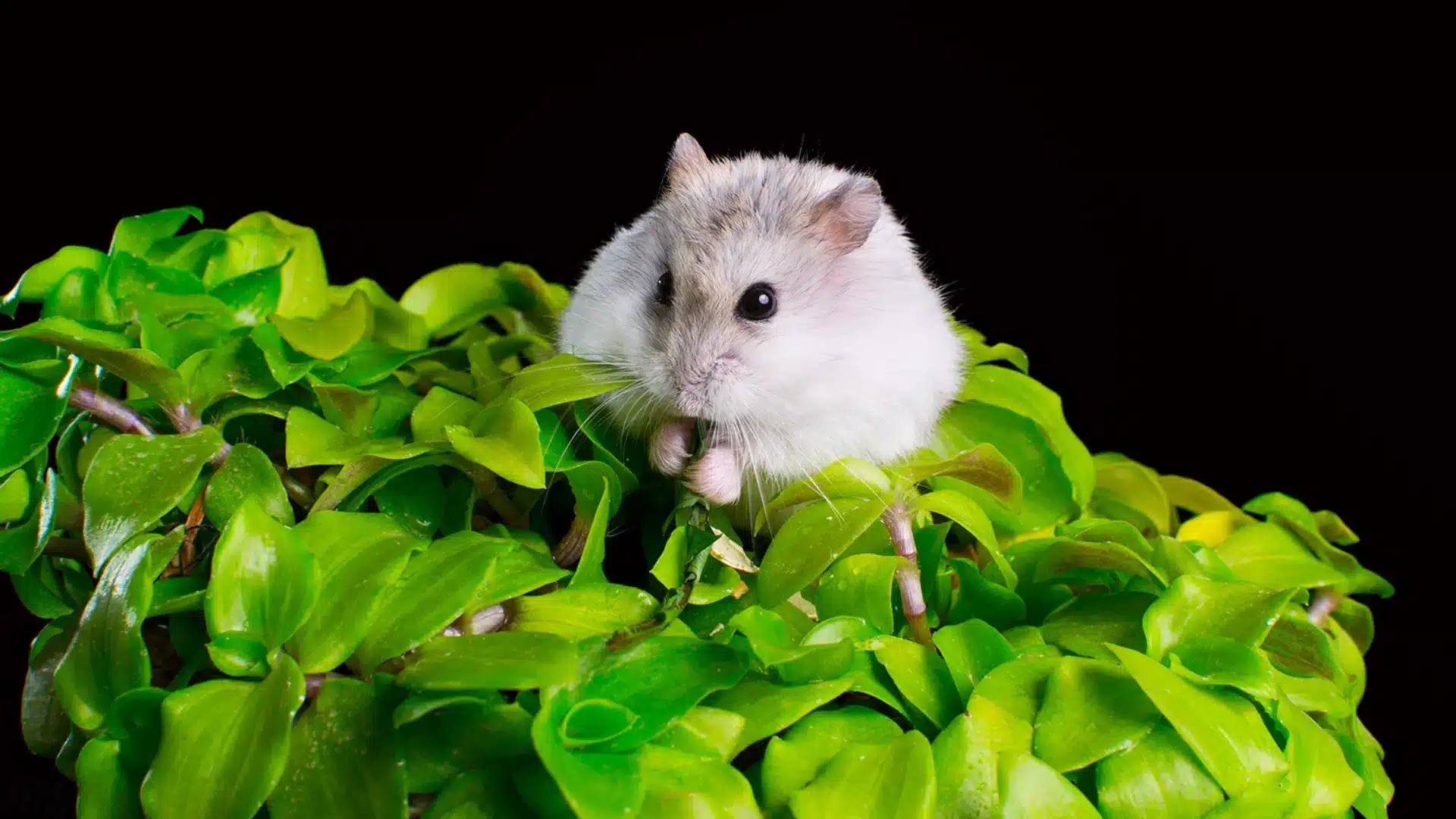
Scientists Engineer Solar-Powered Animal Cells by Merging Algae Chloroplasts with Hamster Cells
Scientists at the University of Tokyo have successfully created hybrid animal cells capable of harnessing sunlight for energy, a breakthrough that blends the mechanics of photosynthesis with cellular biology. By embedding chloroplasts, the photosynthetic structures found in algae, into animal cells, researchers have achieved something long deemed improbable. This innovation is poised to revolutionize artificial tissue engineering, particularly in environments with limited oxygen availability, as these cells can generate energy independently under light exposure.
A Novel Experimental Approach
The researchers chose the CHO-K1 cell line, derived from Chinese hamster ovary cells, as the animal host for this experiment. Known for its adaptability and tolerance to foreign material, the CHO-K1 line provided an ideal environment for the integration of chloroplasts. To address the thermal limitations of photosynthetic organelles, the team used chloroplasts from Cyanidioschyzon merolae, a species of red algae that thrives in warmer conditions. Unlike most chloroplasts that degrade or lose efficiency at body temperatures, these algae-derived chloroplasts remain functional at 37°C, aligning with the physiological environment of animal cells.
Overcoming Long-Standing Barriers
In the past, integrating chloroplasts into animal cells faced a significant hurdle: the organelles were quickly degraded by the host cells’ defense mechanisms. However, the Tokyo team developed methods to preserve these chloroplasts, allowing them to remain photosynthetically active within the hamster cells for up to 48 hours. By employing advanced imaging technologies, they confirmed that the chloroplasts continued to generate energy when exposed to light, demonstrating sustained photosynthetic activity—a crucial step forward in merging plant and animal cellular functions.
Future Implications
This achievement holds tremendous potential for bioengineering and medical research. Hybrid cells capable of photosynthesis could be used to develop artificial tissues that are less dependent on oxygen or external energy sources, making them invaluable in scenarios such as wound healing or space travel. While still in its early stages, this breakthrough paves the way for a deeper understanding of cellular integration and the creation of innovative solutions to global challenges in health and sustainability.