
Yazılar

Dubai’s Emirates Signs Preliminary Deal to Add Crypto Payments via Crypto.com

Emirates airline has signed a preliminary agreement with Crypto.com to enable customers to pay for flights using the crypto trading platform’s payment service, the carrier’s parent company announced on Wednesday. The partnership is expected to launch next year and aims to attract younger, tech-savvy travelers who prefer using digital currencies, said Adnan Kazim, Emirates’ deputy president and chief commercial officer.

The United Arab Emirates (UAE) has rapidly positioned itself as a global hub for cryptocurrency businesses, with numerous firms establishing operations or expanding in the region. The country already permits cryptocurrency payments in sectors such as real estate, education fees, and transportation.

Dubai, in particular, has been proactive in regulating the virtual asset industry, establishing the Virtual Assets Regulatory Authority (VARA) in 2022. The Dubai Multi Commodities Centre (DMCC), one of the city’s largest free zones, currently hosts over 650 crypto companies.

Other Gulf-based airlines have also embraced cryptocurrencies recently. For example, Dubai-listed Air Arabia announced in May that it would accept AE Coin, a UAE dirham-backed stablecoin, for flight bookings.

The Emirates-Crypto.com deal marks a significant step toward integrating cryptocurrencies into mainstream airline payments and reflects the broader trend of digital currencies gaining traction in the Gulf region.
US SEC Issues First Guidance Toward Rules Governing Crypto ETFs

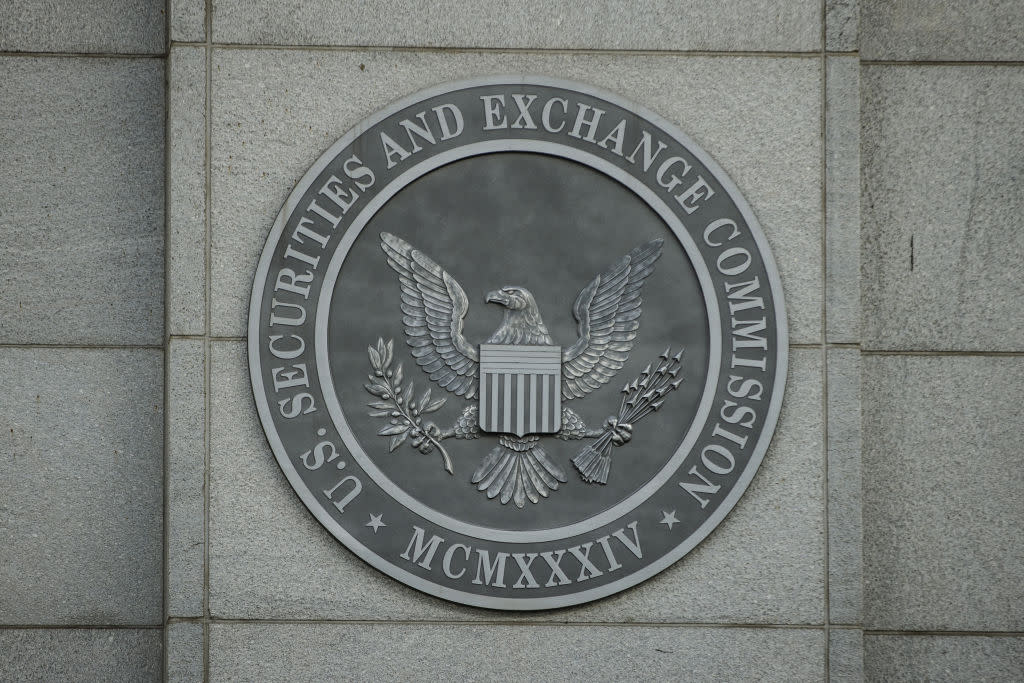
The U.S. Securities and Exchange Commission (SEC) took an important first step last week toward formalizing regulations for exchange-traded products (ETPs) linked to cryptocurrencies. The new 12-page guidance document lays out disclosure requirements for crypto ETFs, marking a shift in approach by the regulator under Republican leadership. This signals progress on approving dozens of pending applications for ETFs tied to cryptocurrencies such as Solana, XRP, and even former President Donald Trump’s meme coin.

The SEC has also formed a task force to develop detailed rules, revamped its crypto enforcement team, and stepped back from some high-profile enforcement cases previously seen as wins. This new guidance aims to create a clearer regulatory framework, helping asset managers and exchanges navigate the approval process more efficiently.

Industry experts welcomed the guidance as an essential step. Matt Hougan, CIO of Bitwise Asset Management, emphasized that its existence acknowledges crypto ETFs as part of the mainstream and begins to set “rules of the road” that benefit both issuers and the SEC. The guidance stresses issuers must explain in plain language key factors like custody arrangements and the unique risks within the competitive crypto market.

A more significant upcoming development will be a new SEC listing template to replace the current requirement for exchanges to submit a special exemption request (known as a 19(b)4 filing) for each crypto ETF listing. Eliminating this form could drastically shorten the approval timeline from up to 240 days to about 75 days, accelerating product launches.

While crypto ETFs linked to coins like XRP, Polkadot, Dogecoin, and the Trump meme coin await approval, many expect the next wave of products will focus on Solana. Some firms are already innovating around regulatory hurdles: last week, REX Financial and Osprey Funds launched the first U.S. ETF providing Solana exposure via an indirect structure involving staking—a process where crypto holders validate blockchain transactions for rewards—allowing them to bypass some commodity fund regulations.

REX’s Solana ETF raised $12 million on its first day, with CEO Greg King acknowledging ongoing regulatory uncertainty but optimistic about the SEC’s forward progress. He also hinted at plans to launch a spot Solana ETF once the SEC finalizes the relevant rules.

Stablecoins Hit Record $251.7 Billion Market Cap as U.S. Senate Advances Regulatory Bill

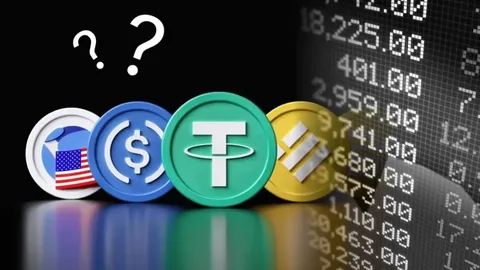
The market capitalization of stablecoins surged to a record $251.7 billion on Wednesday, marking a 22% increase so far in 2025, according to data from CoinDesk. The milestone coincides with a significant regulatory breakthrough as the U.S. Senate passed a bill aimed at bringing clarity and legitimacy to the fast-growing digital asset class.

Stablecoins — cryptocurrencies pegged to traditional currencies like the U.S. dollar — have become vital tools for crypto traders, allowing them to quickly move between assets without exposure to market volatility. But their growing role in digital finance has also sparked concerns about financial stability, prompting U.S. lawmakers to step in.

The new Senate-approved bill would, if signed into law, require stablecoins to be:

  • Fully backed by liquid assets, such as U.S. dollars or short-term Treasury bills, and

  • Subject to monthly public disclosure of reserve composition by issuers.

The proposed framework is being hailed by many in the crypto industry as a major legitimizing step. Proponents argue that with clear rules and reserve transparency, stablecoins could be used for instant global payments and could serve as a bridge between traditional finance and decentralized systems.

However, critics remain cautious. Some analysts warn that a growing reliance on stablecoins could tighten the link between the crypto market and traditional financial infrastructure, increasing systemic risk if not carefully managed.

Still, the surge in stablecoin market cap reflects renewed investor confidence. The bill’s advancement sends a clear message: regulation is coming, and the market is preparing to embrace it.