
Yazılar

Iran’s Nobitex Crypto Exchange Hit by Hackers, $90 Million in Funds Destroyed

A powerful anti-Iranian hacking group known as Gonjeshke Darande (Predatory Sparrow) claimed responsibility on Wednesday for a devastating cyberattack on Nobitex, Iran’s largest cryptocurrency exchange. The attack allegedly destroyed around $90 million in digital assets and threatened to leak the platform’s source code.

This marks the group’s second strike in two days, following an earlier operation targeting Bank Sepah, a state-owned Iranian bank. The campaign comes amid escalating tensions and missile exchanges between Israel and Iran.

The hackers claim Nobitex aids the Iranian regime in evading sanctions and financing militant groups, including Hamas, Palestinian Islamic Jihad, and Yemen’s Houthis. Blockchain forensics firm Elliptic confirmed these ties in a blog post, noting that funds had been exchanged between Nobitex and wallets linked to those entities.

Early Wednesday, funds were transferred from Nobitex to hacker-controlled wallets displaying anti-IRGC (Islamic Revolutionary Guard Corps) messages. Analysis by TRM Labs and Chainalysis confirmed that approximately $90 million in cryptocurrency was irretrievably “burned” in the operation, meaning the attackers intentionally rendered the assets inaccessible as a political statement.

Elliptic noted that the structure of the hacker wallets ensured that even the attackers could not access the stolen assets.

Nobitex confirmed in a post on X (formerly Twitter) that it had taken its website and app offline due to “unauthorized access.” Its Telegram support channels did not respond to inquiries.

The cyberattack adds to a growing list of high-profile hacks by Predatory Sparrow, which has previously disabled Iranian infrastructure, including gas stations and steel mills. Though Israel has never officially claimed the group, its operations are widely considered to align with Israeli cyber interests.

Senators Elizabeth Warren and Angus King recently highlighted Nobitex’s suspected role in Iranian sanctions evasion in a letter to the Biden administration, citing prior Reuters investigations from 2022.

Cybersecurity experts warn that this breach could further inflame geopolitical tensions while demonstrating the increasing use of blockchain technology in modern cyber warfare.
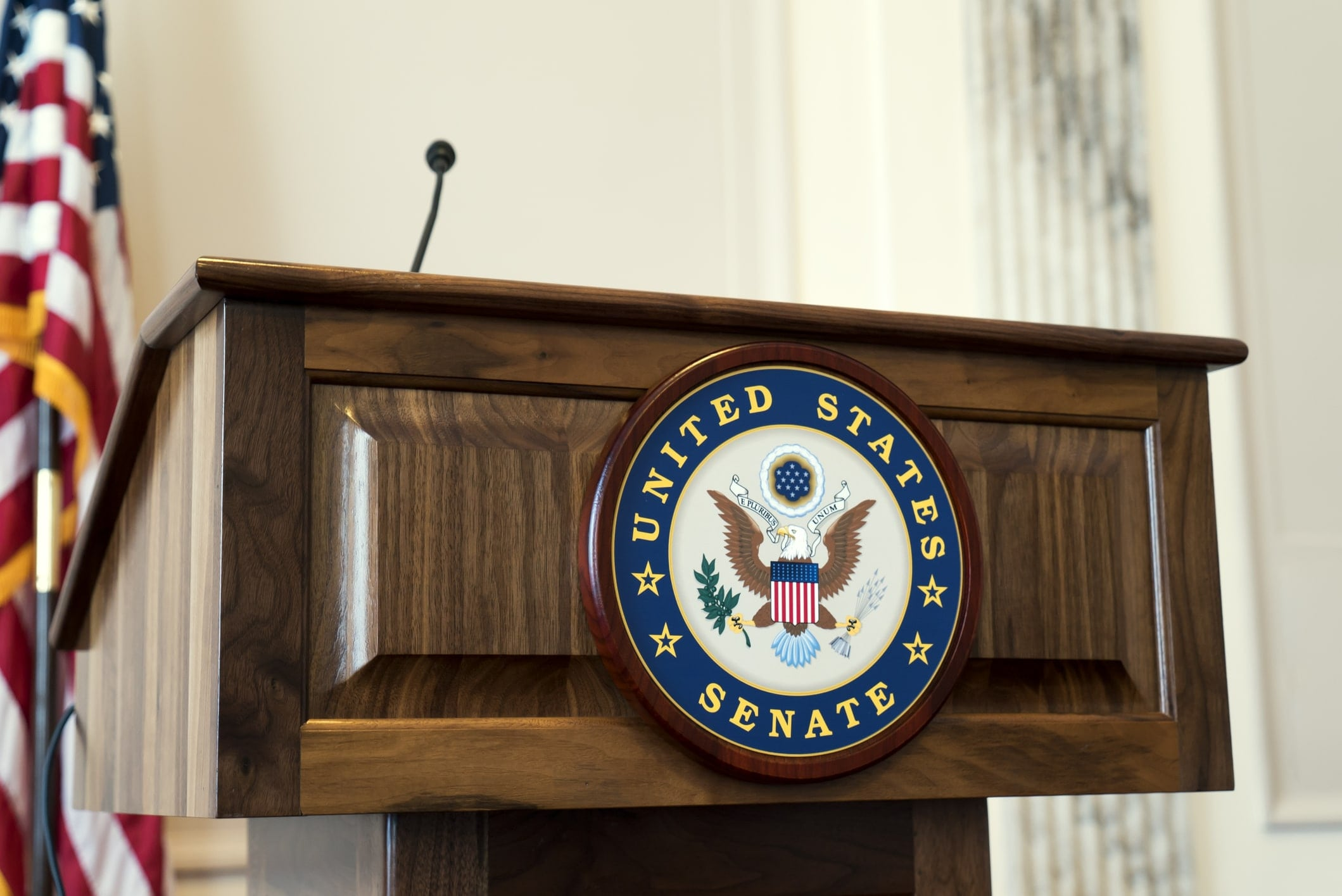

US Senate Passes Stablecoin Bill in Milestone for Crypto Industry

The U.S. Senate on Tuesday approved the GENIUS Act, a bipartisan bill establishing the first federal regulatory framework for stablecoins—cryptocurrency tokens pegged to the U.S. dollar. The bill passed with a vote of 68-30, marking a significant step toward formal oversight of a rapidly growing sector in digital finance.

Stablecoins, which maintain a steady value typically linked 1:1 to the dollar, are widely used by crypto traders for quick transfers between tokens and are increasingly considered for instant payments. If signed into law, the legislation would require stablecoin issuers to back tokens with liquid assets like cash or short-term Treasury bills and publicly disclose reserve compositions monthly.

The crypto industry has advocated for clear regulation, believing it could boost adoption and investor confidence. However, concerns remain among some Democrats and financial watchdogs that the bill could enable big tech firms to issue private stablecoins without sufficient anti-money laundering safeguards or protections against foreign issuers.

The bill now moves to the Republican-controlled House, which must pass its own version before it can be signed by President Donald Trump. Trump’s White House advisers have emphasized a desire to enact stablecoin rules by August.

Critics have also highlighted potential conflicts of interest related to Trump’s own crypto ventures, including a meme coin and a crypto company partly owned by him, though the White House maintains that his assets are held in a trust.

The Conference of State Bank Supervisors has called for amendments to prevent expanding the authority of uninsured banks without state oversight.

Despite these debates, legal experts hail the Senate’s approval as a landmark moment in regulating a fast-evolving financial technology.

BBVA Advises Wealthy Clients to Allocate Up to 7% in Bitcoin, Signaling Growing Institutional Embrace of Crypto

BBVA, one of Spain’s largest banks, is advising its private banking clients to allocate between 3% and 7% of their portfolios to cryptocurrencies, primarily bitcoin and ether, according to Philippe Meyer, head of digital & blockchain solutions at BBVA Switzerland.

Speaking at the DigiAssets conference in London, Meyer stated the advisory began in September 2023, reflecting a growing confidence in the sector. While many banks passively allow crypto investments, BBVA stands out by actively recommending such allocations — a rare move among mainstream European financial institutions.

“With private customers, since September last year, we started advising on bitcoin,” Meyer said. “The riskier profile, we allow up to 7% of portfolios in crypto.”

Context and Strategy:

  • BBVA started executing crypto trades for private clients in 2021, but this is the first time it has formally advised allocations.

  • The recommendation currently includes bitcoin and ether, with plans to extend coverage to other digital assets later in 2025.

  • Meyer emphasized that even a 3% allocation can boost portfolio performance without exposing clients to excessive risk.

Market Momentum:

Bitcoin hit record highs in May, continuing its recovery from the crypto market collapse in 2022, which saw major platforms like FTX implode. The rebound has been aided by increased institutional interest and a pro-crypto stance from U.S. political figures, including Donald Trump.

Despite these advances, regulatory bodies remain cautious:

  • The European Securities and Markets Authority (ESMA) noted earlier this year that 95% of EU banks still do not engage in crypto activities.

  • Regulators consistently warn investors of crypto’s volatility, reiterating that one should be prepared to lose their entire investment.

BBVA’s approach reflects a nuanced shift in institutional sentiment, especially for wealthy clients seeking diversification amid evolving digital asset landscapes.