Yazılar

COP30: The Kayapo’s Fight to Protect the Amazon as the World Heats Up

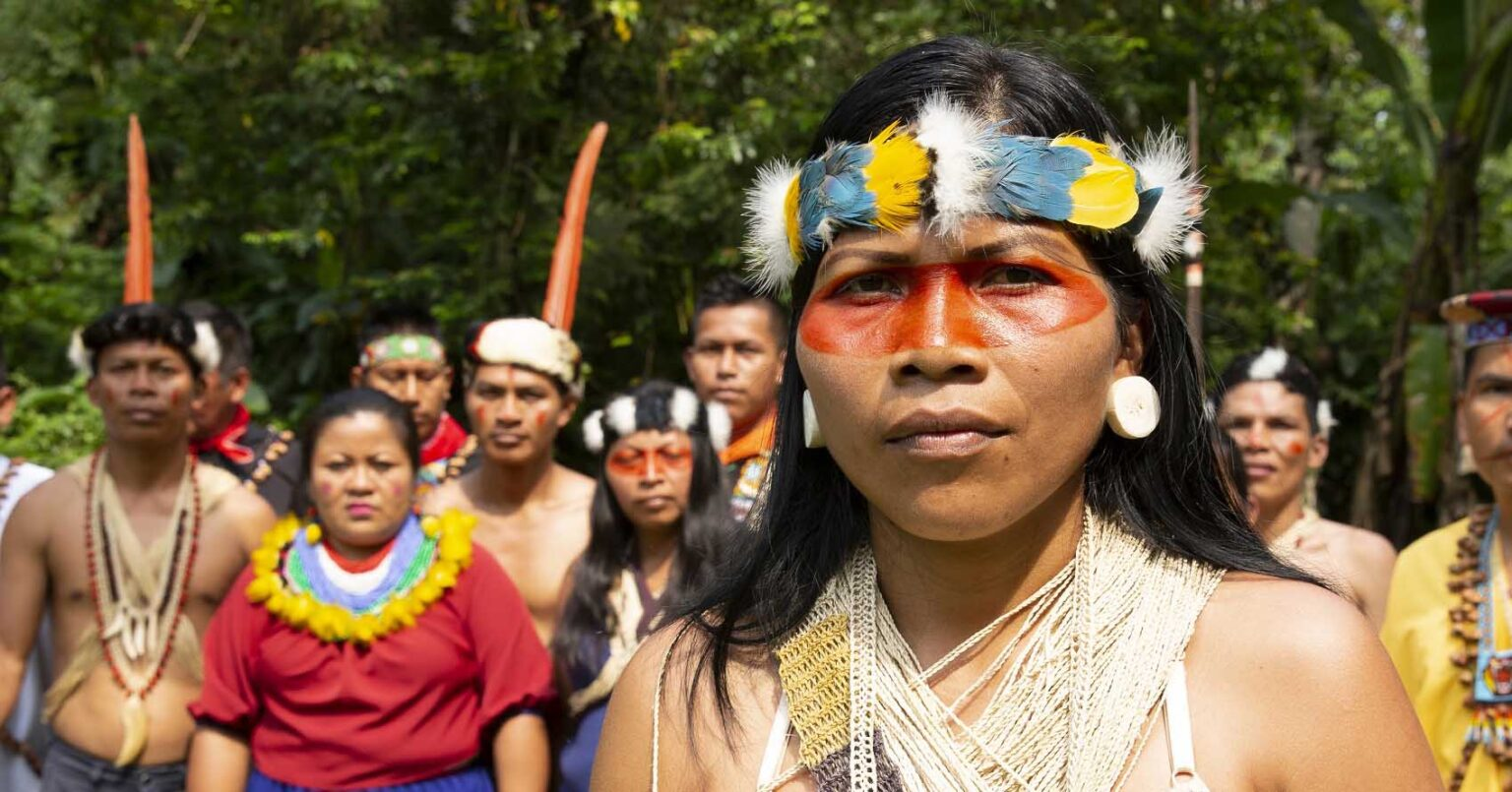
As delegates gather for COP30 in Brazil, the real guardians of the Amazon are not world leaders — but the indigenous Kayapo people, who have protected their rainforest home for centuries.

Driving through Brazil’s cattle country, it’s hard to imagine that this land was once dense, impenetrable rainforest. Today, after decades of logging, ranching, and burning, only fragments of the forest remain. Despite President Lula da Silva’s efforts to curb deforestation, wildfires in 2024 alone destroyed millions of hectares, erasing much of that progress.

Each year, tens of thousands of man-made fires sweep across the Amazon. When the forest burns, it loses legal protection — and cattle ranches quickly move in. But deep in the heart of the rainforest, the Kayapo people are resisting this cycle of destruction.

Their territory, the size of Portugal, is home to only 9,000 people, yet it remains one of the best-preserved regions of the Amazon. The Kayapo’s survival and success come from strong cultural unity — symbolized by their traditional headdresses, rituals, and the songs that welcome visitors to their villages.

Their struggle today is not against missionaries or invaders, but against the expanding frontier of ranches, illegal mines, and roads. They are demanding financial support and recognition for their role in protecting a vital global carbon sink.

In the lush forest they defend, waterfalls thunder, and life hums in every direction. Yet even here, elders note the signs of climate change — hotter temperatures, less rain, and shifting ecosystems.

Asked what he thought of Donald Trump, one Kayapo elder simply said he had never heard of him. For the Kayapo, politics is distant; their mission is survival.

Their delegates will attend COP30 not for diplomacy, but to remind the world that keeping the Amazon alive is one of humanity’s last defenses against catastrophic warming.
MercadoLibre enters Brazil’s online pharmacy market with first drugstore acquisition

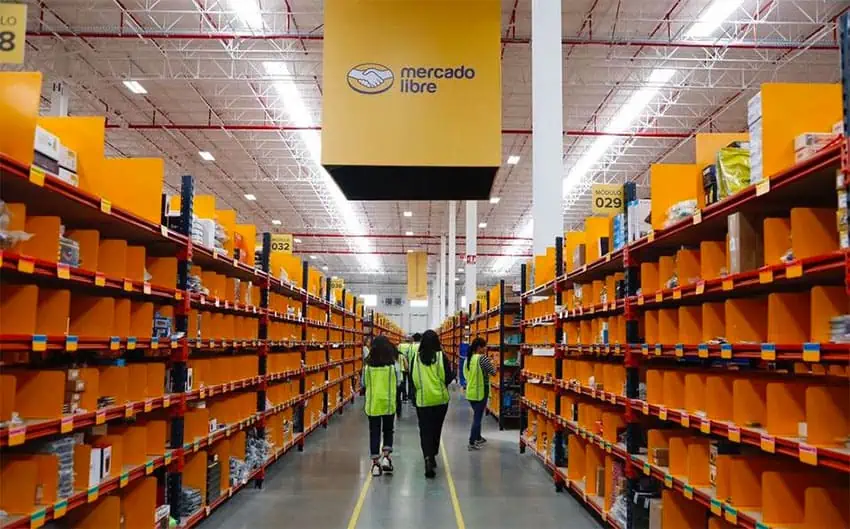
MercadoLibre, Latin America’s largest e-commerce company, will begin selling medicines online in Brazil for the first time after acquiring a local drugstore, executives said on Thursday. The move marks the firm’s entry into one of the region’s largest and most tightly regulated pharmaceutical markets.

While MercadoLibre already operates online drug sales in Mexico, Argentina, Chile, and Colombia, Brazil’s laws require a company to own at least one licensed physical pharmacy to sell medications online. Local head Fernando Yunes confirmed the acquisition and said the company’s aim is to act as a marketplace platform rather than build a nationwide pharmacy chain.

“The pharmaceutical sector is the only one in Brazil we haven’t entered yet, and we see a big opportunity to improve access,” Yunes said. “We want small and medium-sized pharmacies selling through MercadoLibre, not to compete directly with them.”

Executives said the company will evaluate next steps based on the performance of its first pharmacy. MercadoLibre is also in discussions with Brazilian regulators to modernize existing laws that restrict online pharmaceutical trade, calling for reforms to make it easier for pharmacies to reach customers digitally.

The move signals MercadoLibre’s growing ambitions to expand its healthcare footprint in Brazil, its largest market by revenue, and tap into the country’s rapidly growing digital health sector.

Brazilian Police Bust Deepfake Scam Using Gisele Bündchen’s Image in Instagram Ads

Brazilian authorities have dismantled a nationwide fraud network that used deepfake videos of supermodel Gisele Bündchen and other celebrities in Instagram ads to trick victims into buying fake products, marking one of the country’s first major crackdowns on AI-powered online scams.

Police arrested four suspects this week and froze assets across five states, after investigators traced more than 20 million reais ($3.9 million) in suspicious transactions uncovered by Brazil’s anti–money laundering agency COAF.

The investigation began in August 2024, when a victim reported being deceived by an Instagram ad showing an AI-generated video of Bündchen promoting a nonexistent skincare product. Another fraudulent campaign featured the supermodel supposedly offering free suitcases, with users asked to pay only for shipping—items that never arrived.

According to Eibert Moreira Neto, head of the cybercrime unit in Rio Grande do Sul, the group created a “series of scams” using deepfakes of multiple celebrities and fake betting platforms. Investigators believe the criminals operated at mass scale, collecting many small payments—usually under 100 reais ($19)—from victims who rarely reported the losses.

“That created a perverse situation,” explained investigator Isadora Galian. “The criminals enjoyed a kind of statistical immunity—they knew most people would not complain, so they operated without fear.”

Meta, owner of Instagram, said its policies ban ads that deceptively use public figures and that such content is removed “when detected.” The company added that it uses AI-based detection systems, trained review teams, and reporting tools to fight celebrity-impersonation scams.

A spokesperson for Bündchen’s team urged consumers to verify suspicious offers, avoid ads promising unrealistic discounts or giveaways, and report fraudulent content to authorities or official brand channels.

The case has broader implications for Brazil’s fight against digital deception. In June 2024, the Supreme Court ruled that social media platforms can be held liable for criminal ads if they fail to remove them swiftly—even without a court order.

The Rio Grande do Sul operation underscores the growing criminal use of deepfake technology, which allows scammers to replicate celebrity likenesses with stunning realism. What once required Hollywood budgets can now be done with cheap AI tools and a few clicks—a reality that’s forcing regulators, platforms, and the public to confront a new era of synthetic fraud.